

Cotton Farming Transport in Zimbabwe: Local, Inbound and Outbound Route Planning
June 15, 2026 | by Wyvernfreight
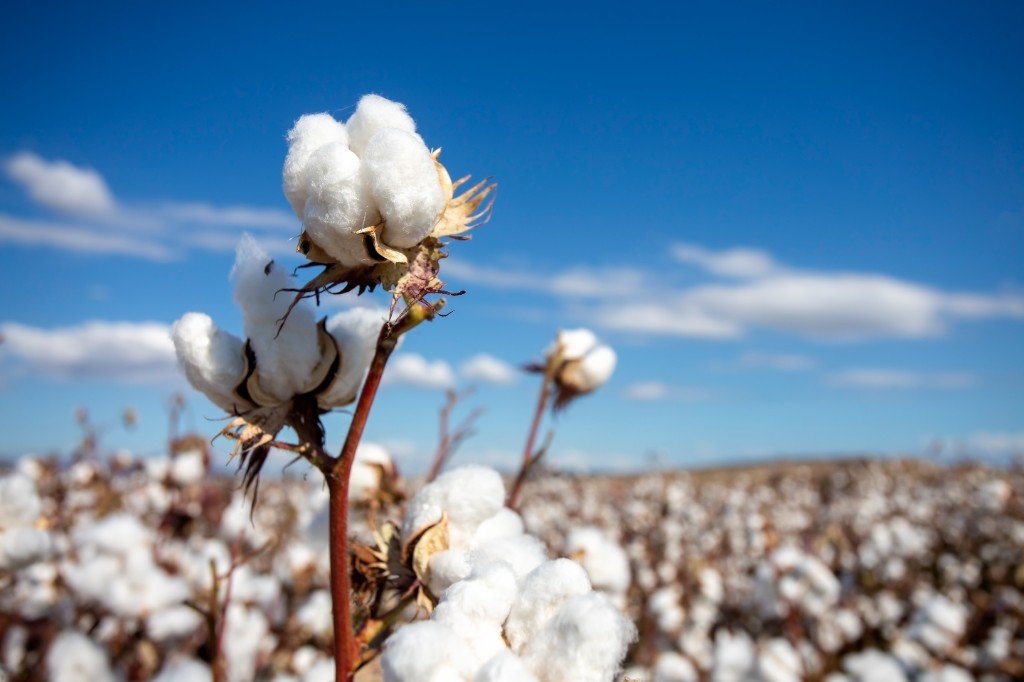
Cotton farming is an important part of Zimbabwe’s agricultural economy, especially for smallholder farmers in drier regions where cotton performs better than many other cash crops.
Cotton supports rural incomes, ginneries, oil expressers, textile value chains, stockfeed producers and export markets. For farmers, buyers, contractors, ginners and processors, successful cotton farming does not end in the field. Seed, fertiliser, chemicals, packaging and machinery must reach farmers before the season starts. After picking, seed cotton must move from farms and buying points to ginneries. Once processed, lint, cotton seed and by-products must move to local customers or export corridors.
At Wyvern Freight, we understand that cotton logistics requires careful timing, clean vehicles, weather protection and the right trailer for each stage of the value chain.
Why cotton transport needs proper planning
Cotton is bulky, light, sensitive to moisture and quality-dependent. If seed cotton is exposed to rain, mixed with dirt, overloaded badly or transported in a dirty truck, the quality can be affected before it reaches the ginnery.
Good cotton logistics should focus on
- Dry and clean vehicle bodies.
- Protection from rain and dust.
- High-volume trailers for bulky seed cotton.
- Safe loading and offloading at farms and buying points.
- Proper tarpaulin covering.
- Good route planning during buying season.
- Fast movement from buying points to ginneries.
- Separation of cotton from chemicals, fertiliser, coal, minerals and dirty cargo.
- Proper handling of lint bales, cotton seed and packaging.
- Delivery coordination between farmers, buyers, ginneries and transporters.
Cotton farming logistics is seasonal, so transport availability during peak collection periods is very important. Movement can be grouped into three categories: local farm-and-ginnery routes, inbound input routes, and outbound regional routes.
Farm, buying point and ginnery
Seed cotton moving from farms and buying points to ginneries across Gokwe, Sanyati, Muzarabani and Chiredzi.
Seed and inputs
Cotton seed, fertiliser, chemicals, packaging and machinery routed from borders to cotton districts.
Lint and by-products
Lint, cotton seed and processed products moving toward Beitbridge, Forbes, Chirundu and Plumtree.
Local route
Border post
Cotton / ginnery hub
Main types of cotton cargo
Cotton logistics spans the full value chain from field to ginnery to processor, and each stage has its own handling needs.
Seed cotton
Seed cotton is cotton harvested from the field before ginning. It is bulky and should be transported in clean, dry and covered vehicles. It should not be contaminated with soil, fertiliser, chemicals, oil, fuel or mineral residue.
Cotton lint
Cotton lint is the fibre produced after ginning. It is usually compressed into bales and moved to warehouses, textile users, local buyers or export routes. Lint bales must be protected from rain, fire risk, dirt and rough handling.
Cotton seed
Cotton seed is a by-product of ginning. It is used for oil extraction, stockfeed and seed multiplication. It may move in bulk, bags or bulk bags depending on the buyer.
Cotton inputs
Cotton production depends on seed, fertiliser, pesticides, herbicides, sprayers, packaging, bale wraps, tarpaulins and sometimes farm mechanisation equipment. These inputs must arrive before planting and crop-protection windows.
Ginning and processing equipment
Ginneries and processors also need spares, machinery, baling materials, electrical components, workshop equipment, forklifts, weighbridge parts and packaging supplies.
Local cotton routes within Zimbabwe
Local cotton routes connect farms, buying points, collection depots, ginneries, warehouses, oil expressers and processors.
Gokwe routes
Gokwe is one of Zimbabwe’s most important cotton-producing areas. Seed cotton from Gokwe North, Gokwe South and surrounding wards can move to buying points and ginneries in the Gokwe area, then onward to Kwekwe, Gweru, Bulawayo, Kadoma, Harare or export corridors. Common route options include Gokwe farms to local buying points, Gokwe buying points to Gokwe ginnery, and Gokwe to Kwekwe, Gweru, Kadoma, Bulawayo and Harare. These routes are important for seed cotton, lint bales, cotton seed, input deliveries and ginnery support cargo.
Sanyati and Kadoma routes
Sanyati and Kadoma are key cotton logistics areas in Mashonaland West and the Midlands-linked cotton belt. Cotton may move from farms and collection points to ginneries, warehouses and buyers. Common movements include Sanyati farms to Sanyati collection points, Sanyati to Kadoma, Kadoma to Harare, Kadoma to Kwekwe and Gweru, Kadoma to Chinhoyi, and Kadoma to Beitbridge-linked or Forbes-linked corridors. These routes support seed cotton collection, lint movement and cotton seed distribution.
Muzarabani, Mbire and Mt Darwin routes
Northern Zimbabwe is important for cotton farming, especially in areas such as Muzarabani, Mbire, Guruve and Mt Darwin. Cotton cargo from these areas can move to local buying points, Muzarabani, Bindura, Chinhoyi, Harare or other processing centres. Common routes include Muzarabani farms to buying points, Muzarabani to Bindura, Muzarabani to Harare, Guruve to Chinhoyi, Mt Darwin to Bindura and Harare, and Mbire to Guruve or Muzarabani. These routes need careful planning because some collection points may be rural and road conditions can vary during the rainy season.
Chiredzi and Lowveld routes
Chiredzi and the Lowveld are important for cotton, irrigation agriculture and agro-processing logistics. Cotton from this region can move to local buying points, Chiredzi ginnery, Masvingo, Beitbridge, Harare or Bulawayo. Common movements include Chiredzi farms to buying points, Chiredzi to local ginnery, Chiredzi to Masvingo, Chiredzi to Beitbridge, Chiredzi to Harare, and Chiredzi to Bulawayo through Masvingo and Midlands routes. Because the Lowveld can be hot and distances can be long, good vehicle condition and scheduling are important.
Chipinge and Manicaland routes
Cotton farming in parts of Manicaland can connect Chipinge, Buhera, Mutare and surrounding areas to local collection points, Mutare, Harare, Chiredzi or Forbes-linked corridors. Common cargo includes seed cotton, cotton inputs, packaging, lint bales, cotton seed and ginnery support supplies.
Chinhoyi and Mashonaland West routes
Chinhoyi is important because of its connection to cotton processing, warehousing and agricultural distribution. Cotton and input cargo can move between Chinhoyi, Banket, Karoi, Kadoma, Harare and northern farming districts.
Inbound routes for cotton farming inputs
Inbound cotton logistics supports the farming season by moving seed, fertiliser, chemicals, sprayers, packaging, bale materials, spare parts and machinery into cotton-producing areas.
South Africa to Zimbabwe via Beitbridge
Beitbridge is one of Zimbabwe’s most important inbound routes for agricultural inputs and machinery. Cotton seed, fertiliser, chemicals, packaging materials, sprayers, ginnery spares and farm equipment can enter through Beitbridge. From Beitbridge, cargo can move to Masvingo, Chiredzi, Gokwe, Kadoma, Harare, Bulawayo, Muzarabani and other cotton-producing areas.
Mozambique to Zimbabwe via Forbes
The Forbes border near Mutare connects Zimbabwe to Mozambique and the Beira Corridor. This route can support port-linked agricultural inputs, packaging, machinery, chemicals and processing equipment. From Forbes, cargo can move to Mutare, Chipinge, Chiredzi, Harare, Gokwe, Kadoma and other cotton areas.
Zambia to Zimbabwe via Chirundu
The Chirundu route supports agricultural cargo moving between Zambia and Zimbabwe. Cotton inputs entering through Chirundu can move through Karoi, Chinhoyi and Harare, then onward to Muzarabani, Guruve, Sanyati, Gokwe and other districts.
Botswana to Zimbabwe via Plumtree
The Plumtree route supports cargo entering western Zimbabwe. Inputs can move through Bulawayo to Gokwe, Matabeleland North, Midlands, Chiredzi, Kadoma and other inland destinations.
Outbound cotton routes from Zimbabwe
Outbound cotton logistics may involve seed cotton moving to ginneries, lint moving to local or export buyers, cotton seed moving to oil expressers, and processed by-products moving to stockfeed customers.
Farms and buying points to ginneries
The first and most important outbound movement is from farms and buying points to ginneries. Seed cotton must be moved quickly, kept dry and protected from contamination. Key ginnery-linked areas include Gokwe, Chiredzi, Sanyati, Chinhoyi, Muzarabani and Kadoma.
Ginneries to local warehouses and textile customers
After ginning, cotton lint bales may move to local warehouses, textile customers, traders or consolidation centres. These movements require covered and secure transport.
Ginneries to oil expressers and stockfeed customers
Cotton seed can move from ginneries to oil expressers, stockfeed manufacturers and seed multiplication facilities. This cargo may move in bulk, bags or bulk bags depending on the buyer.
Cotton lint to Beitbridge
The Beitbridge corridor can support cotton lint, cotton seed products, packaging, machinery and approved agricultural cargo moving between Zimbabwe and South Africa or South Africa-linked export routes.
Cotton lint to Forbes and the Beira Corridor
The Harare-Mutare-Forbes route can support cotton lint and other export-ready agricultural cargo moving toward Mozambique and port-linked routes.
Cotton cargo to Chirundu or Plumtree
The Harare-Chinhoyi-Karoi-Chirundu route can support cotton lint, seed, inputs and processed products moving into Zambia or regional markets. The Bulawayo-Plumtree route can support cotton cargo moving into Botswana and western regional markets.
The best trailer for cotton farming transport
The best trailer depends on whether the cargo is seed cotton, lint bales, cotton seed, inputs or machinery.
Seed cotton: high-sided cotton trailer or cage body truck
For seed cotton moving from farms and buying points to ginneries, the best option is a high-sided cotton trailer, cage body truck or high-volume covered trailer. Seed cotton is bulky and light, so it needs space more than heavy load capacity.
A good seed cotton vehicle should have
- High sides or cage body.
- Clean loading area.
- Dry cargo space.
- Strong tarpaulin cover.
- Good ventilation.
- Secure side panels.
- Protection from rain and road dust.
- Easy loading and offloading.
- No contamination from previous cargo.
This is the best practical option for farm-to-buying-point and buying-point-to-ginnery movements.
Cotton lint bales: curtainsider, box trailer or covered flat deck
For cotton lint bales, a curtainsider or box trailer is usually best because it protects bales from rain, dust and contamination. A flat deck can also work if the bales are properly stacked, strapped and covered with tarpaulins.
Lint bales should be protected from
- Rain.
- Dust.
- Oil and fuel contamination.
- Fire risk.
- Torn packaging.
- Poor stacking.
- Theft or unauthorised access.
For export-ready lint, enclosed or containerised transport is often preferred.
Cotton seed: covered bulk trailer, hopper trailer or tipper
Cotton seed can be moved in bulk, bags or bulk bags. For loose bulk cotton seed, a covered bulk trailer, hopper trailer or clean tipper can work well. The trailer should be clean and dry, properly covered, free from chemicals or mineral residue, easy to offload, and sealed enough to reduce spillage. For bagged cotton seed, a curtainsider or box trailer is usually better.
Cotton inputs: curtainsider or box trailer
Cotton seed, fertiliser, chemicals and packaging materials should be moved in clean, dry and enclosed vehicles. A curtainsider or box trailer is suitable for mixed agricultural input loads. Agrochemicals must be handled safely and should be separated from seed, food, feed and packaging where required.
Bale packaging and ginnery supplies: curtainsider or box trailer
Bale wrap, sacks, twine, spare parts, electrical components and processing supplies should be protected from rain and dust. A curtainsider or box trailer is ideal for these goods.
Cotton machinery and equipment: flat deck, step deck or lowbed
Ginneries and farms may need transport for tractors, trailers, balers, forklifts, conveyors, gin equipment, generators and workshop machinery. Use a flat deck for general machinery, a step deck for taller equipment, a lowbed for heavy or oversized machinery, a curtainsider or box trailer for spares and electrical items, and an extendable trailer for long steel or equipment frames.
Wyvern Freight’s recommendation
For cotton farming logistics in Zimbabwe, Wyvern Freight recommends selecting the trailer according to the cargo:
- Seed cotton: high-sided cotton trailer, cage body truck or high-volume covered trailer.
- Cotton lint bales: curtainsider, box trailer, covered flat deck or container.
- Cotton seed: covered bulk trailer, hopper trailer, clean tipper or curtainsider for bagged cargo.
- Cotton inputs: curtainsider or box trailer.
- Bale packaging and ginnery supplies: curtainsider or box trailer.
- Cotton machinery: flat deck, step deck or lowbed.
- Spare parts and electrical components: enclosed trailer or curtainsider.
For most seed cotton movements a clean high-sided trailer with a strong tarpaulin is the best choice; for lint bales, a curtainsider or enclosed trailer; for cotton seed, the right pick depends on whether it is loose, bagged or bulk-bagged.
Wyvern Freight
Handling and storage considerations
Cotton quality can be affected by poor handling. Cotton is valuable and flammable, so careful handling is important from collection to delivery.
Before dispatch, check
- Cotton is dry before loading.
- Vehicle body is clean and free from contamination.
- Load is covered properly.
- Cotton is not mixed with foreign matter.
- Bags or bales are not torn.
- Loading point is accessible.
- Buying-point documents are ready.
- Ginnery delivery schedule is confirmed.
- Offloading equipment or labour is available.
- Fire and smoking risks are controlled near cotton cargo.
Why choose Wyvern Freight for cotton farming logistics?
Cotton logistics needs reliable timing, clean vehicles and route knowledge. Farmers need collection during the buying season. Ginneries need steady supply. Buyers need quality cargo. Exporters need properly handled lint bales. Oil expressers and stockfeed producers need cotton seed delivered on schedule.
- Farm-to-buying-point cotton transport.
- Buying-point-to-ginnery deliveries.
- Cotton lint bale transport.
- Cotton seed transport.
- Cotton input distribution.
- Ginnery equipment logistics.
- Cross-border cotton cargo planning.
- Trailer selection.
- Route planning through Gokwe, Sanyati, Kadoma, Chiredzi, Chinhoyi, Muzarabani, Chipinge, Harare and Bulawayo.
- Delivery updates and professional communication.
From Gokwe to ginneries, from Muzarabani to Harare, from Chiredzi to Masvingo, and from Zimbabwe’s cotton belt to Beitbridge, Forbes, Chirundu and Plumtree, Wyvern Freight helps move cotton cargo safely and efficiently.
Conclusion
Cotton farming is an important cash-crop activity for many Zimbabwean farmers, especially in drier regions. But cotton’s value depends on more than production. It must be transported clean, dry and on time.
Seed cotton needs high-sided covered trailers. Cotton lint bales need curtainsiders, box trailers or containers. Cotton seed needs covered bulk trailers or enclosed transport depending on packaging. Inputs and ginnery supplies need dry, protected vehicles. Machinery needs flat decks, step decks or lowbeds. For dependable cotton farming logistics in Zimbabwe, partner with Wyvern Freight, moving cotton, supporting farmers and connecting the cotton value chain to local and regional markets.
RELATED POSTS
View all


Soya Bean Production Transport in Zimbabwe: Local, Inbound and Outbound Route Planning
June 15, 2026 | by Wyvernfreight
Irrigation Solutions in Zimbabwe: Transport, Equipment Delivery and Route Planning
June 15, 2026 | by Wyvernfreight
Livestock Solutions in Zimbabwe: Transport, Feed, Cold Chain and Route Planning
June 15, 2026 | by Wyvernfreight