

Inbound Agricultural Trade in Zimbabwe: Routes, Cargo Solutions and Trailer Planning
June 15, 2026 | by Wyvernfreight
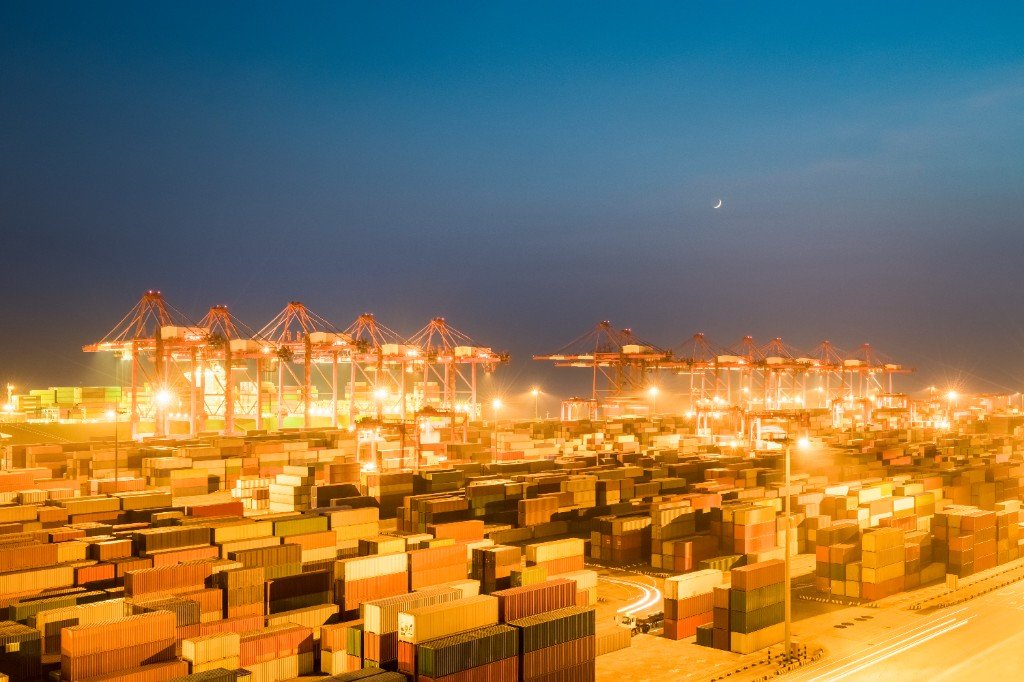
Inbound agricultural trade is a major part of Zimbabwe’s farming and food supply chain, every season, agricultural cargo moves into Zimbabwe from regional suppliers, ports, manufacturers and neighbouring countries.
These inbound movements help farmers, processors, wholesalers, retailers and development projects access the inputs, equipment and commodities they need. Inbound agricultural trade may include seed, fertiliser, crop chemicals, irrigation systems, farm machinery, packaging, stockfeed ingredients, grain, oilseeds, fresh produce, livestock products, dairy products and agro-processing supplies.
At Wyvern Freight, we support inbound agricultural trade by helping customers move cargo from regional borders and ports into Zimbabwe’s farms, depots, warehouses, processors and markets.
Why inbound agricultural trade needs reliable logistics
Agriculture depends on timing. Seed must arrive before planting. Fertiliser must arrive before basal or top-dressing application. Crop chemicals must arrive before weeds, pests or disease reduce yields. Irrigation systems and farm machinery must arrive before field operations begin.
A strong inbound agricultural logistics plan should focus on
- Correct route selection.
- Border and customs documentation.
- Import permits where required.
- Trailer selection based on cargo type.
- Cargo protection from rain, dust, heat and contamination.
- Cold-chain control for perishable cargo.
- Safe handling of fertiliser and agrochemicals.
- Fast clearance and delivery after border entry.
- Communication between supplier, clearing agent, transporter and customer.
Inbound agricultural trade depends on cargo reaching the final destination in the right condition and at the right time.
Borders and ports
Cargo enters through Beitbridge, Forbes, Chirundu and Plumtree from South Africa, Mozambique, Zambia and Botswana.
Documents and customs
Permits, certificates and clearing-agent coordination keep cargo moving through high-volume borders.
Farm, depot and processor
After clearance, cargo distributes to farms, agro-dealers, warehouses, cold rooms and processors.
Local distribution route
Border post
Distribution hub
Main inbound agricultural cargo types
Inbound trade brings in the full range of inputs, equipment and commodities Zimbabwe’s farms and processors depend on.
Seed
Seed cargo may include maize seed, wheat seed, soya bean seed, vegetable seed, pasture seed, cotton seed and other planting materials. Seed must be transported in clean, dry and enclosed vehicles to prevent moisture damage and contamination.
Fertiliser
Zimbabwe imports a significant portion of its fertiliser requirements, so fertiliser logistics is critical for crop production. Bagged fertiliser must be kept dry and protected from rain. Bulk fertiliser requires suitable bulk trailers and careful offloading.
Agrochemicals
Agrochemicals include herbicides, pesticides, fungicides, seed treatments and crop protection products. These must be transported safely, securely and separately from food, feed and seed where required.
Irrigation equipment
Inbound irrigation cargo may include pumps, pipes, drip systems, centre pivot parts, filters, valves, tanks, solar panels, generators and control panels. Some items are long and bulky, while others are fragile or high-value.
Farm machinery and spares
Tractors, planters, harvesters, sprayers, ploughs, rippers, trailers, pumps, engines, tyres and spare parts often move into Zimbabwe through regional suppliers and ports. Heavy equipment may require lowbeds, flat decks or step decks.
Grain, oilseeds and stockfeed ingredients
Inbound agricultural trade may also include maize, wheat, rice, soya products, oilseeds, soya meal, oilcake, poultry feed ingredients and other food or feed commodities. These cargoes need clean, covered and contamination-free trailers.
Fresh produce and livestock products
Fresh produce, dairy, meat products, poultry products and other perishables may require refrigerated or insulated transport, especially on longer routes or during hot weather.
Key inbound agricultural trade routes into Zimbabwe
Inbound cargo enters Zimbabwe through a small number of high-volume gateways, each linked to a different neighbour or port.
South Africa to Zimbabwe via Beitbridge
Beitbridge is one of Zimbabwe’s most important inbound trade gateways. Agricultural cargo from South Africa and Durban-linked supply chains can enter Zimbabwe through Beitbridge, then move inland to Masvingo, Harare, Bulawayo, Midlands, Mashonaland, Manicaland and Matabeleland. This corridor is important for seed, fertiliser, agrochemicals, farm machinery, irrigation equipment, packaging, stockfeed ingredients, fresh produce, dairy and meat products, and processing equipment. Because Beitbridge is a high-volume border, successful inbound logistics must include customs preparation, border coordination, document checks and delivery scheduling.
Mozambique to Zimbabwe via Forbes-Machipanda
The Forbes border near Mutare connects Zimbabwe to Mozambique and the Beira Corridor. This route is important for port-linked agricultural cargo, especially fertiliser, machinery, irrigation equipment, chemicals, packaging and project cargo arriving through Mozambique. From Forbes, cargo can move through Mutare, Rusape, Marondera and Harare, then onward to farming and processing centres across Zimbabwe. This route is useful for customers importing through Beira or sourcing agricultural cargo from Mozambique-linked supply chains.
Zambia to Zimbabwe via Chirundu
The Chirundu corridor connects Zimbabwe to Zambia and northern regional markets. Cargo entering Zimbabwe through Chirundu can move through Karoi, Chinhoyi and Harare before reaching Mashonaland, Midlands, Masvingo and other provinces. This route can support inbound movement of grain, seed, fertiliser, stockfeed ingredients, agricultural machinery, irrigation equipment, packaging and livestock inputs. Chirundu is especially important for cargo linked to Zambia and wider northern regional trade.
Botswana to Zimbabwe via Plumtree
The Plumtree route connects Botswana to western Zimbabwe. Cargo entering through Plumtree can move to Bulawayo, Matabeleland, Midlands, Masvingo, Harare and other inland destinations. This corridor is useful for livestock inputs, stockfeed, farm equipment, packaging, irrigation systems, processed agricultural goods and regional project cargo. Bulawayo plays a key role as a logistics hub for cargo entering through Plumtree.
Nyamapanda, Sango, Victoria Falls and Kazungula
Other border points can also support inbound agricultural trade depending on cargo origin and final destination. Nyamapanda may support Mozambique-linked movements. Sango can support south-eastern routes. Victoria Falls and Kazungula can support northern and western regional cargo. The best route depends on supplier location, border requirements, cargo type, delivery deadline and final destination.
Local distribution after border entry
Inbound agricultural trade does not end at the border. After clearance, cargo must be delivered to farms, agro-dealers, depots, warehouses, processors, packhouses, cold rooms and retail networks.
Harare and Mashonaland distribution
Harare is Zimbabwe’s major commercial and agricultural logistics hub. From Harare, inbound cargo can move to Chinhoyi, Banket, Karoi, Bindura, Mazowe, Mvurwi, Marondera, Murehwa, Mutoko, Wedza, Norton and surrounding farming areas. Common cargo includes seed, fertiliser, chemicals, grain, machinery, irrigation equipment, poultry inputs and packaging.
Bulawayo and Matabeleland distribution
Bulawayo is the main hub for western Zimbabwe. Cargo can move from Bulawayo to Gwanda, Plumtree, Lupane, Hwange, Victoria Falls, Filabusi, Maphisa and surrounding livestock and farming areas. Common cargo includes stockfeed, veterinary supplies, seed, fertiliser, fencing, water systems, irrigation equipment and farm machinery.
Midlands distribution
The Midlands connects Harare, Bulawayo, Masvingo and Beitbridge routes. Gweru, Kwekwe, Mvuma, Gokwe, Shurugwi and Zvishavane are important for input distribution, grain movement, cotton logistics, livestock support and agro-processing cargo.
Masvingo and Lowveld distribution
Masvingo, Chiredzi, Triangle, Hippo Valley, Mwenezi and surrounding areas support irrigation agriculture, sugarcane, horticulture, livestock feed crops and Beitbridge-linked inbound cargo.
Manicaland distribution
Mutare, Rusape, Chipinge, Chimanimani, Nyanga and Buhera are important for horticulture, fruit, macadamia, tea-related cargo, livestock inputs and Forbes-linked inbound trade.
Best vehicles and trailers for inbound agricultural trade
The best vehicle depends on the cargo type, distance, packaging and offloading method.
Bagged fertiliser and seed: curtainsider or box trailer
For bagged fertiliser and seed, a curtainsider or box trailer is usually best. It protects cargo from rain, dust and packaging damage while allowing easier loading and offloading. Seed should move in clean, dry vehicles. Fertiliser should be protected from moisture to prevent clumping and product damage.
Bulk grain and oilseeds: covered side tipper or hopper bottom trailer
For bulk maize, wheat, soya beans and oilseeds, a clean covered side tipper or hopper bottom trailer is suitable. The trailer should be clean and dry, free from chemical, fertiliser, coal or mineral residue, properly covered, sealed against spillage, suitable for fast offloading and compliant with axle-load requirements.
Agrochemicals: compliant enclosed vehicle
Agrochemicals require safe and compliant transport. They should move in secure enclosed vehicles with proper documentation, packaging protection and separation from food, feed and seed where required.
Irrigation pipes and centre pivot structures: flat deck or extendable trailer
Long pipes, centre pivot spans and steel structures are best moved on flat decks or extendable trailers. This allows safe loading, strong strapping and practical farm-site offloading. Pumps, valves, filters, control panels and solar equipment should move separately in a curtainsider or box trailer where possible.
Farm machinery: lowbed, step deck or flat deck
Tractors, harvesters, sprayers, planters and heavy implements may require lowbeds, step decks or flat decks depending on weight and dimensions. Lowbeds are best for heavy or tall machinery. Flat decks are practical for tractors and implements. Step decks are useful for taller equipment.
Fresh produce and perishables: refrigerated truck
Fresh produce, meat, dairy, poultry products and temperature-sensitive cargo should move in refrigerated vehicles. Cold-chain planning is especially important when border delays or long distances are expected.
Stockfeed and bagged agricultural cargo: curtainsider, box trailer or flat deck
Bagged stockfeed, packaging, processed foods and dry agricultural goods are best moved in curtainsiders or box trailers. A flat deck can work if cargo is well covered and strapped.
Project cargo: combination transport
Large agricultural projects often require more than one vehicle. A mechanisation or irrigation project may need a lowbed for heavy machinery, a flat deck for pipes and steel, a curtainsider for pumps and panels, and a box trailer for spares and electrical components. The best solution is often a coordinated fleet, not a single truck.
Wyvern Freight’s recommendation
For inbound agricultural trade, Wyvern Freight recommends matching the cargo to the correct transport solution:
- Seed: clean curtainsider or box trailer.
- Bagged fertiliser: curtainsider, box trailer or covered flat deck.
- Bulk grain and oilseeds: covered side tipper or hopper bottom trailer.
- Agrochemicals: compliant enclosed vehicle.
- Irrigation pipes and structures: flat deck or extendable trailer.
- Pumps and solar systems: curtainsider or box trailer.
- Farm machinery: lowbed, step deck or flat deck.
- Fresh produce and perishables: refrigerated truck.
- Stockfeed and packaging: curtainsider or box trailer.
- Mixed project cargo: combined fleet solution.
The best inbound solution is the one that protects the cargo, clears the border efficiently and delivers on time.
Wyvern Freight
Documentation and border planning
Inbound agricultural cargo may require specific import documents and permits. The exact requirements depend on cargo type, origin and destination.
Customers should confirm
- Commercial invoice.
- Packing list.
- Import permit where required.
- Customs documents.
- Certificate of origin.
- Phytosanitary certificate for plant products.
- Veterinary permit for animals or animal products.
- Product analysis or quality certificate where required.
- Safety documents for chemicals.
- Insurance documents.
- Delivery instructions.
- Clearing-agent readiness.
Good documentation reduces border delays and protects the customer from storage costs, demurrage and missed delivery windows.
Risk management for inbound agricultural cargo
Inbound agricultural trade faces several risks, including border congestion, weather exposure, documentation errors, vehicle breakdowns, contamination, temperature breaks and delayed offloading.
To reduce risk, check
- Trailer cleanliness before loading.
- Cargo packaging condition.
- Tarpaulin condition.
- Refrigeration settings where required.
- Border documents before dispatch.
- Clearing-agent availability.
- Delivery appointment.
- Offloading equipment.
- Cargo insurance.
- Driver route instructions.
- Farm or warehouse access.
A strong inbound logistics plan protects both the cargo and the farming season.
Why choose Wyvern Freight for inbound agricultural trade?
Inbound agricultural trade needs a transport partner that understands farming seasons, border requirements, cargo sensitivity and local delivery routes. Wyvern Freight supports farmers, processors, traders, input suppliers, exporters, importers, NGOs and agribusinesses with practical logistics planning.
- Cross-border inbound agricultural cargo.
- Border route planning.
- Seed and fertiliser transport.
- Agrochemical logistics.
- Grain and oilseed movement.
- Irrigation and mechanisation cargo.
- Fresh produce and cold-chain transport.
- Stockfeed and packaging movement.
- Trailer selection.
- Farm, depot and warehouse delivery planning.
- Delivery updates and professional communication.
From Beitbridge to Harare, from Forbes to Mutare, from Chirundu to Chinhoyi, from Plumtree to Bulawayo, and from regional suppliers to Zimbabwe’s farms and processors, Wyvern Freight helps inbound agricultural trade move efficiently.
Conclusion
Inbound agricultural trade is essential for Zimbabwe’s farming, food supply and agro-processing sectors. It brings in the inputs, equipment, commodities and supplies that support production and market stability.
Seed needs clean enclosed transport. Fertiliser needs dry protected movement. Agrochemicals need compliant handling. Grain needs clean covered trailers. Fresh produce needs cold-chain planning. Machinery and irrigation equipment need flat decks, lowbeds and specialist transport. For dependable inbound agricultural trade logistics in Zimbabwe, partner with Wyvern Freight, moving inputs, crops, equipment and agribusiness cargo from regional suppliers to local markets.
RELATED POSTS
View all


Regional Agriculture Solutions in Zimbabwe: Cross-Border Transport, Local Distribution and Route Planning
June 15, 2026 | by Wyvernfreight

Cross-Border Agribusiness Logistics in Zimbabwe: Routes, Cargo Solutions and Trailer Planning
June 15, 2026 | by Wyvernfreight
SADC Market Access: Helping Zimbabwean Agribusiness Reach Regional Markets
June 15, 2026 | by Wyvernfreight