

Coal Transportation in Zimbabwe: Local, Inbound and Outbound Route Planning
June 15, 2026 | by Wyvernfreight
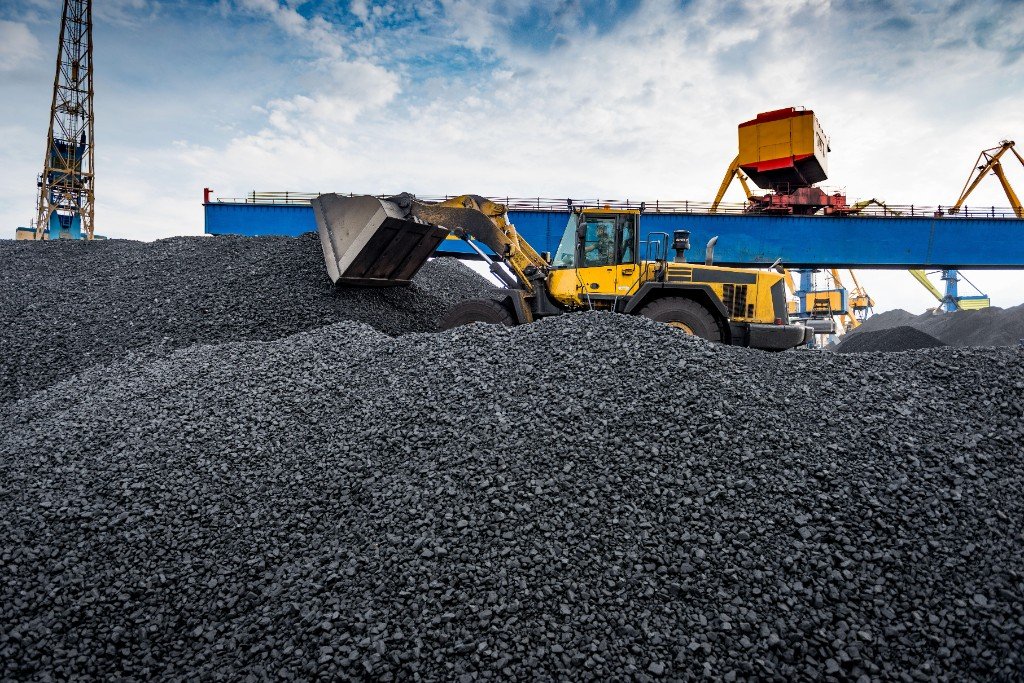
Coal is one of Zimbabwe’s key energy and industrial minerals, supporting power generation, industrial heating, coke production, mining operations, smelting, manufacturing and regional trade.
Because coal is heavy, dusty and often moved in large volumes, successful coal logistics depends on the right route, the right trailer, safe loading and reliable delivery planning. At Wyvern Freight, we understand that coal transport depends on managing weight, dust, spillage, moisture, loading times, offloading access, mine-road conditions and customer delivery schedules.
Whether the cargo is thermal coal, industrial coal, coking coal, coke, coal fines or mining supplies, each movement must be planned according to the cargo type and destination.
Why coal transport needs proper planning
Coal is a dense bulk commodity. Poor planning can cause overloaded axles, spillage, dust complaints, wet cargo, rejected loads, slow turnarounds and higher transport costs.
A strong coal transport plan should consider
- Type of coal or coal product.
- Loading point and offloading method.
- Trailer size and body strength.
- Axle-load compliance.
- Dust and spillage control.
- Tarpaulin or covered trailer requirements.
- Moisture protection.
- Mine-road access.
- Stockpile and offloading space.
- Delivery documentation.
- Border clearance for cross-border cargo.
Coal must be transported in a way that protects the product, the road, the customer and the surrounding environment. Coal movement can be grouped into three main categories: local distribution routes, inbound supply routes, and outbound export-linked routes.
Mine, power station and industry
Bulk coal moving from Hwange and the coalfields to power stations, factories, smelters and depots.
Mining and industrial supply
Machinery, conveyor systems, spares and industrial supplies routed from borders into coal-producing areas.
Export-linked corridors
Approved coal and coke moving toward Plumtree, Beitbridge, Forbes and Chirundu.
Local route
Border post
Coal / industrial hub
Main types of coal cargo
Coal cargo can move in different forms, and each form may require a different transport solution.
Thermal coal
Thermal coal is mainly used for power generation and industrial heat. It is usually moved in bulk from mines to power stations, factories or industrial users.
Industrial coal
Industrial coal is used by factories, boilers, processors and manufacturers. It may move in bulk or as graded product depending on the buyer’s requirements.
Coking coal
Coking coal is used in metallurgical processes and coke production. It is usually more quality-sensitive than ordinary thermal coal and should be protected from contamination.
Coke and coke products
Coke, coke peas, coke breeze and foundry coke may move to smelters, ferrochrome plants, foundries and industrial buyers. These products may require careful loading because size grading and contamination control matter.
Coal fines
Coal fines are small coal particles that can be dusty and difficult to manage. They require proper containment, covers and careful loading to reduce product loss and dust.
Local coal routes within Zimbabwe
Zimbabwe’s coal logistics is strongly connected to Hwange and Matabeleland North, as well as industrial customers in Bulawayo, Midlands, Harare and mining centres.
Hwange to Hwange Power Station
One of the most important local coal movements is between Hwange coal operations and Hwange Power Station. These movements support electricity generation and require reliable, high-volume logistics planning. Because this is a heavy bulk route, vehicle turnaround, loading efficiency, weighbridge control and offloading coordination are very important.
Hwange to Bulawayo
The Hwange-Bulawayo route is important for coal moving to industrial users, factories, depots, processors and rail or road distribution points. Bulawayo is a major industrial and logistics hub, making it important for coal distribution into western Zimbabwe and regional routes through Plumtree.
Hwange to Gweru and Kwekwe
Coal from Hwange can move through Bulawayo or direct inland routes toward Gweru and Kwekwe. These Midlands routes support manufacturing, smelting, mining operations and industrial customers. Kwekwe and Gweru are important because they connect coal users to central Zimbabwe and onward routes to Harare, Masvingo and Beitbridge.
Hwange to Harare
Harare is a major commercial and industrial market. Coal moving from Hwange to Harare may serve factories, boilers, processors, institutions and distribution depots. This is a long-distance route, so planning must consider fuel, driver rest, axle loads, road condition and secure delivery timing.
Hwange to Victoria Falls and Matabeleland North
Coal and mining-related cargo can also move within Matabeleland North to Victoria Falls, Binga, Lupane and surrounding areas. These movements may include coal, mining supplies, equipment, spares and project cargo.
Sengwa, Gokwe and Midlands routes
Coal-related projects and coalfield movements around Sengwa and Gokwe may require routes through Gokwe, Kwekwe, Gweru, Kadoma and Harare. These routes need careful planning because some areas may have mixed road conditions and long distances between loading and offloading points.
Inbound routes for coal mining and industrial supply
Inbound coal logistics usually involves moving mining equipment, machinery, spares, tyres, conveyor systems, screens, crushers, fuel equipment, safety equipment and industrial supplies into Zimbabwe’s coal-producing areas.
South Africa to Zimbabwe via Beitbridge
The Beitbridge route is one of the most important inbound mining supply corridors. Mining equipment, plant parts, conveyor systems, workshop tools, heavy machinery and industrial supplies can enter Zimbabwe through Beitbridge. From Beitbridge, cargo can move to Masvingo, Harare, Gweru, Kwekwe, Bulawayo and Hwange.
Mozambique to Zimbabwe via Forbes and the Beira Corridor
The Forbes border near Mutare connects Zimbabwe to Mozambique and the Beira Corridor. This route can support port-linked mining equipment, spare parts and industrial cargo entering Zimbabwe. From Forbes, cargo can move through Mutare, Rusape, Marondera, Harare and then onward to Bulawayo, Hwange or Midlands mining areas.
Zambia to Zimbabwe via Chirundu
The Chirundu route supports mining and industrial cargo moving between Zambia and Zimbabwe. Cargo entering through Chirundu can move through Karoi, Chinhoyi, Harare and onward to coal users or mining customers.
Botswana to Zimbabwe via Plumtree
The Plumtree route supports cargo entering western Zimbabwe. From Plumtree, mining equipment and industrial supplies can move into Bulawayo, Hwange, Midlands and Harare.
Outbound coal routes from Zimbabwe
Outbound coal logistics may involve moving coal, coke, coal fines, industrial coal or mining equipment to regional customers. The correct outbound route depends on buyer location, permits, product type and customs requirements.
Hwange to Bulawayo to Plumtree
The Bulawayo-Plumtree route supports coal and coke movements into Botswana and western regional markets. This is useful for industrial users, smelters and regional buyers.
Hwange to Beitbridge
Coal and coke cargo can move south through Bulawayo, Gweru, Masvingo and Beitbridge for approved exports or deliveries into South Africa-linked markets. This corridor is also important for mining supplies returning to South Africa or moving to regional customers.
Hwange to Forbes and Beira Corridor
Coal-related cargo can move from Hwange through Bulawayo, Gweru, Harare, Mutare and Forbes toward Mozambique and port-linked routes. This route may be used for approved exports, industrial cargo, mining supplies or regional distribution.
Hwange to Chirundu
Coal and industrial cargo can move north through Harare, Chinhoyi, Karoi and Chirundu toward Zambia. This route may support regional buyers, mining operations and industrial users.
Hwange to local smelters and industrial users
Some outbound coal and coke cargo may remain within Zimbabwe, moving from coalfields to smelters, foundries, brick manufacturers, cement operations, food processors, textile factories and other industrial users.
The best trailer for coal transportation
The best trailer depends on the coal product, route distance, loading system and offloading method.
Bulk coal: heavy-duty side tipper
For most bulk coal movement in Zimbabwe, the best trailer is a heavy-duty side tipper. Coal is heavy and often moved in large volumes, so the trailer must be strong, stable and suitable for fast offloading.
A good coal side tipper should have
- Strong steel body.
- Heavy-duty suspension.
- Reliable hydraulic tipping system.
- Good side-door sealing.
- Tarpaulin cover.
- Spillage control.
- Strong chassis.
- Proper axle-load compliance.
- Easy cleaning and inspection.
Side tippers are practical for mine-to-power station, mine-to-depot, mine-to-industrial user and regional bulk coal movements.
Coal fines: covered and sealed tipper
Coal fines are dusty and easier to lose through spillage. For fines, the trailer should be covered and sealed properly. A high-sided side tipper or end tipper with a strong tarpaulin system is usually best. The key requirements are proper covering, reduced dust escape, good tailgate or side-door sealing, controlled loading, avoiding overfilling and a safe offloading area. Coal fines should not be moved uncovered on long routes.
Coking coal: covered side tipper or end tipper
Coking coal should be protected from contamination and excessive moisture. A covered side tipper or end tipper is suitable where the product is moved in bulk. The trailer must be clean before loading, especially if it previously carried minerals, fertiliser, chemicals, grain or waste material.
Coke and coke products: flat deck, side tipper or container
Coke and coke products may be moved in bulk, bags, bulk bags or containers depending on customer requirements. Suitable options include a side tipper for loose bulk coke, a flat deck for bagged or palletised coke, a curtainsider or box trailer for weather-protected bagged product, a container for export-ready cargo, and a high-sided trailer for bulk coke where spillage control is needed. Because coke can be bulky and irregular in shape, loading must be controlled to avoid product loss.
Bagged coal products: curtainsider or flat deck with tarpaulin
For bagged coal, coke or industrial coal products, a curtainsider is usually better because it protects cargo from rain and dust while allowing easy side loading. A flat deck can also work if the load is properly strapped and covered.
Mining equipment: flat deck, step deck or lowbed
Coal mining operations also require transport for excavators, loaders, conveyor parts, crushers, screens, generators, pumps, tyres, containers and steel structures. Use a flat deck for general mining equipment, a step deck for taller loads, a lowbed for heavy or oversized machinery, an extendable trailer for long conveyor sections or steel, and a curtainsider or box trailer for packaged spares and electrical parts.
Wyvern Freight’s recommendation
For coal logistics in Zimbabwe, Wyvern Freight recommends matching the trailer to the cargo:
- Bulk thermal coal: heavy-duty side tipper.
- Coal fines: covered and sealed side tipper or end tipper.
- Coking coal: clean covered side tipper or end tipper.
- Coke products: side tipper, flat deck, curtainsider or container depending on packaging.
- Bagged coal products: curtainsider or flat deck with tarpaulin.
- Mining equipment: flat deck, step deck or lowbed.
- Packaged spares: curtainsider or box trailer.
For most coal movements a covered heavy-duty side tipper is the practical choice, strong capacity, quick offloading and well suited to mine and industrial routes; for packaged products, enclosed or containerised transport is better.
Wyvern Freight
Safety and environmental considerations
Coal transport should be managed responsibly. Dust, spillage and poor covering can create problems for roads, communities and customers.
Before dispatch, check
- Load is within legal weight limits.
- Trailer is not overfilled.
- Tarpaulin is properly fitted.
- Tailgate or side doors are sealed.
- Coal is not spilling from the trailer.
- Vehicle is clean and roadworthy.
- Driver has delivery instructions.
- Offloading point is ready.
- Fire and hot-load risks are managed where relevant.
- Route and stopping points are planned.
Coal stockpiles and coal fines should also be managed carefully, especially where heat, dust and long storage times are involved.
Why choose Wyvern Freight for coal transport?
Coal logistics needs strong vehicles, route discipline and reliable delivery coordination. Wyvern Freight supports mines, processors, power-sector customers, factories, smelters and industrial buyers with practical coal transport solutions across Zimbabwe and the region.
- Mine-to-power station coal transport.
- Mine-to-industrial customer deliveries.
- Coal fines movement.
- Coke and coking coal transport.
- Mining equipment logistics.
- Cross-border coal and industrial cargo routes.
- Trailer selection.
- Route planning through Hwange, Bulawayo, Gweru, Kwekwe, Harare, Beitbridge, Plumtree, Chirundu and Forbes.
- Delivery updates and professional communication.
From Hwange to Bulawayo, from Hwange to Harare, from Zimbabwe’s coalfields to industrial customers, and from local mines to regional corridors, Wyvern Freight helps move coal cargo safely and efficiently.
Conclusion
Coal transportation in Zimbabwe requires strong route planning, heavy-duty trailers and careful handling. Bulk coal needs covered side tippers. Coal fines need sealed trailers. Coking coal needs clean and protected movement. Coke products need trailer selection based on packaging and buyer requirements.
For dependable coal logistics in Zimbabwe, partner with Wyvern Freight, moving energy minerals, supporting industry and connecting Zimbabwe to regional markets.
RELATED POSTS
View all


Nickel Transportation in Zimbabwe: Local, Inbound and Outbound Route Planning
June 15, 2026 | by Wyvernfreight
Graphite Transportation in Zimbabwe: Local, Inbound and Outbound Route Planning
June 15, 2026 | by Wyvernfreight

Gold Transportation in Zimbabwe: Secure Local, Inbound & Outbound Route Planning
June 15, 2026 | by Wyvernfreight