

Crop Production and Agricultural Transport in Zimbabwe: Local, Inbound and Outbound Route Planning
June 15, 2026 | by Wyvernfreight
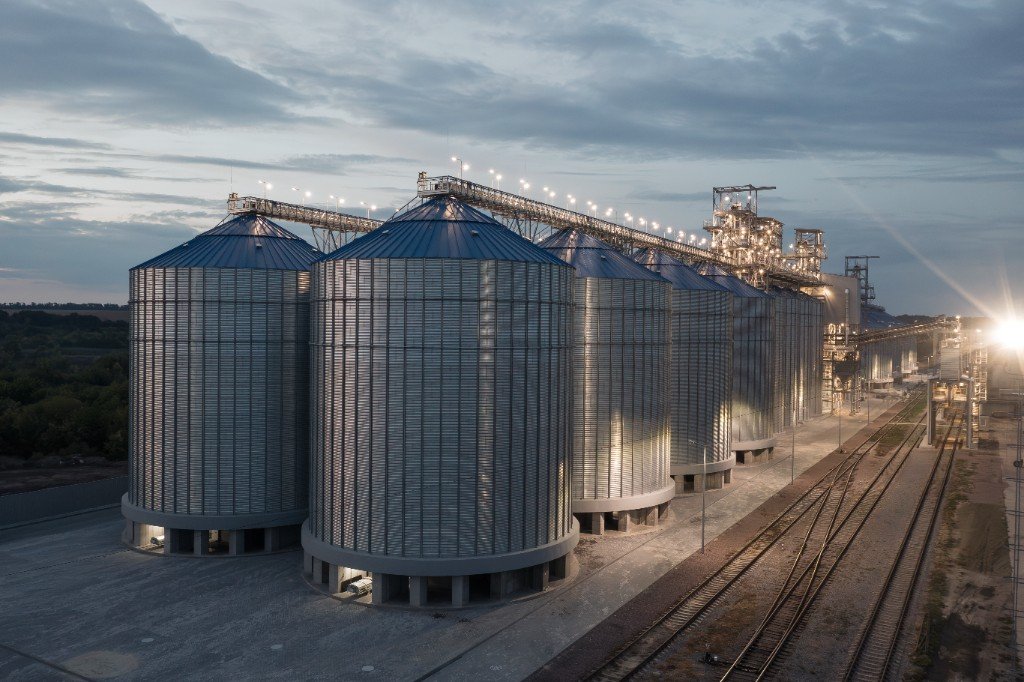
Crop production is one of the foundations of Zimbabwe’s economy, and successful production does not end at harvest. The crop must still be moved safely, quickly and cost-effectively.
From maize and wheat to tobacco, cotton, soya beans, sugarcane, horticulture and traditional grains, agricultural cargo moves every day between farms, depots, mills, auction floors, processors, warehouses and export corridors. For farmers, buyers, contractors and agro-processors, that is where professional freight planning becomes essential.
At Wyvern Freight, we support agricultural supply chains by helping clients move crop inputs, harvested crops, bagged produce, bulk grain, farm machinery and export-ready agricultural cargo across Zimbabwe and the region.
Why transport matters in crop production
Crop production depends on timing. Seed, fertiliser, chemicals and equipment must reach farms before planting. Harvested crops must reach storage, processing or market before quality is lost. For perishable crops, delays reduce value. For bulk grains, poor trailer selection can cause spillage, contamination or moisture damage.
Good agricultural transport planning helps with
- Timely delivery of farming inputs.
- Faster movement from farm to depot or processor.
- Reduced post-harvest losses.
- Better crop quality protection.
- Lower transport cost per tonne.
- Reliable supply to millers, exporters and retailers.
- Improved planning during peak harvest seasons.
Agricultural freight needs flexibility because every crop is different. Maize does not move the same way as tobacco. Fresh vegetables do not move the same way as cotton. Wheat does not require the same trailer as citrus or sugarcane. The right truck and trailer must match the crop, distance, loading point, offloading point and road condition. Crop movement can be grouped into three main categories: inbound input routes, local domestic routes, and outbound export-linked routes.
Inputs into farming areas
Seed, fertiliser, chemicals, packaging, machinery and spares routed from borders and suppliers into production districts.
Farm, depot, mill and market
Daily domestic movement of grain, tobacco, horticulture and produce across every farming province.
Export-linked corridors
Processed foods and export-ready cargo moving toward Beitbridge, Forbes, Chirundu, Plumtree and Nyamapanda.
Local route
Border post
Farming hub
Inbound routes for crop production
Inbound routes support crop production by bringing inputs and support cargo into farming areas. These movements can include seed, fertiliser, chemicals, irrigation equipment, packaging, empty bags, machinery, spare parts and imported food commodities when local supply is short.
South Africa to Zimbabwe via Beitbridge
The Beitbridge route is one of Zimbabwe’s most important inbound agricultural supply corridors. Farming inputs, machinery, chemicals, packaging materials and other agro-industrial cargo can move from South Africa into Zimbabwe through Beitbridge, then continue toward Masvingo, Midlands, Harare, Bulawayo, Mashonaland and Manicaland. This route is also important for cargo linked to regional ports and South African suppliers.
Mozambique to Zimbabwe via Forbes and the Beira Corridor
The Forbes border route near Mutare links Zimbabwe with Mozambique and the Port of Beira. This route is important for imported fertiliser, chemicals, equipment, packaging, fuel-related agricultural support cargo and export-linked movements. From Forbes, cargo can move into Mutare, Rusape, Marondera, Harare, Chivhu, Gweru and other production or processing centres.
Zambia to Zimbabwe via Chirundu
The Chirundu route supports agricultural cargo moving between Zambia and Zimbabwe. It is important for northern Zimbabwe, including Harare, Chinhoyi, Karoi, Banket, Bindura and other farming areas. It can also support regional grain, seed, input and equipment movements.
Botswana to Zimbabwe via Plumtree
The Plumtree route supports agricultural cargo entering western Zimbabwe. From Plumtree, cargo can move to Bulawayo, Gwanda, Matabeleland South, Matabeleland North, Midlands and beyond.
Nyamapanda and other regional entry points
Nyamapanda can support trade with Mozambique and wider regional markets. Victoria Falls, Kazungula, Sango and other border routes may also be used depending on origin, destination, permits and customer requirements.
Local crop production routes within Zimbabwe
Local routes are the backbone of crop production logistics. These routes move crops from farms to local markets, depots, Grain Marketing Board points, private silos, mills, warehouses, tobacco floors, cotton buying points, oil expressers and food processors.
Mashonaland West
Mashonaland West is important for maize, tobacco, soya beans and other field crops. Common agricultural routes include Karoi, Chinhoyi, Banket, Chegutu, Kadoma, Norton and Harare. These routes are important for moving grain, tobacco, farming inputs and processed agricultural products.
Mashonaland Central
Mashonaland Central routes include Bindura, Mazowe, Mvurwi, Guruve, Shamva and Mount Darwin. Cargo from this region often moves to Harare, Chinhoyi, local depots, processing sites and buying centres.
Mashonaland East
Mashonaland East routes connect Marondera, Murehwa, Wedza, Mutoko, Goromonzi and surrounding farming districts to Harare, Ruwa, Norton and other processing or distribution centres. This province is important for field crops, horticulture and short-distance agricultural distribution into Harare.
Manicaland
Manicaland agricultural routes include Mutare, Rusape, Nyazura, Chipinge, Chimanimani and surrounding farming districts. This region supports horticulture, tea, fruit, grains and corridor-linked trade through Forbes.
Midlands
The Midlands region connects crop production areas such as Gweru, Kwekwe, Mvuma, Shurugwi and Gokwe to major domestic routes. Midlands is useful for national crop distribution because it links Harare, Bulawayo, Masvingo and Beitbridge corridors.
Masvingo and the Lowveld
Masvingo, Chiredzi, Triangle, Hippo Valley, Mwenezi and surrounding areas are important for sugarcane, irrigation agriculture, livestock feed crops and regional agricultural cargo. Routes from this region can connect to Harare, Bulawayo, Beitbridge and Manicaland.
Matabeleland North and South
Matabeleland routes include Bulawayo, Gwanda, Plumtree, Hwange, Lupane, Victoria Falls and surrounding farming districts. Agricultural cargo in these areas may include grains, livestock feed, cotton, horticulture and farming inputs.
Outbound routes for crop production
Outbound routes move harvested crops and processed agricultural products from Zimbabwe to regional markets, export points or port-linked corridors.
Harare, Midlands and Masvingo to Beitbridge
The Beitbridge corridor connects Zimbabwe to South Africa and wider southern African markets. It is useful for export-ready agricultural products, processed foods, stockfeed products, cotton, tobacco-related cargo, horticulture and other legal cross-border agricultural cargo.
Harare and Manicaland to Forbes/Beira
The Forbes route connects Zimbabwe to Mozambique and the Beira Corridor. It is important for port-linked exports, agricultural imports, fertiliser movement and regional trade. For exporters, this route can be useful when cargo needs access to Beira.
Harare and Mashonaland West to Chirundu
The Chirundu route connects Zimbabwe to Zambia and northern regional markets. It can support grain, processed foods, farming inputs, stockfeed and agricultural commodities moving between Zimbabwe and Zambia.
Bulawayo to Plumtree
The Plumtree route is important for cargo moving between western Zimbabwe and Botswana. It is useful for agricultural exports, farming supplies, packaging materials and regional distribution.
Harare to Nyamapanda
The Nyamapanda route can support trade between Zimbabwe and Mozambique, including agricultural inputs, produce, processed foods and other crop-related cargo.
The best trailer for crop production transport
The best trailer depends on the type of crop or agricultural cargo being moved. Bulk grain, bagged produce, tobacco, fresh produce, sugarcane and machinery each call for a different solution.
Bulk grain: covered side tipper or hopper bottom trailer
For maize, wheat, sorghum, millet and soya beans, the best trailer is usually a clean, covered side tipper or hopper bottom grain trailer.
A good bulk grain trailer should have
- Clean interior.
- No chemical or mineral contamination.
- Strong tarpaulin cover.
- Good sealing to prevent spillage.
- Fast offloading capability.
- Proper axle-load compliance.
- Easy cleaning before loading.
A side tipper is practical for farm-to-depot, farm-to-mill and depot-to-processor movements. A hopper bottom trailer is excellent where the loading and receiving facilities are designed for grain discharge.
Bagged crops: flat deck, curtainsider or box trailer
For bagged maize, seed, fertiliser, cotton bales, processed grain products and bagged agricultural cargo, a flat deck, curtainsider or enclosed box trailer can be suitable. A curtainsider or box trailer gives better protection from rain and dust. A flat deck can work well where loading and offloading are manual or forklift-assisted, but the cargo must be properly covered and secured.
Tobacco: enclosed box trailer or curtainsider
Tobacco requires careful handling because quality can be affected by moisture, contamination and poor stacking. For tobacco bales, an enclosed box trailer or curtainsider is usually better than an open trailer.
A tobacco trailer should protect the crop from
- Rain.
- Dust.
- Overexposure to sunlight.
- Rough handling.
- Contamination from previous cargo.
Fresh produce: refrigerated or ventilated truck
For horticulture, vegetables, fruit and other perishable crops, the best option is a refrigerated truck or a well-ventilated enclosed truck, depending on the crop and distance. Fresh produce needs temperature control where required, good airflow, fast loading and offloading, clean cargo space, careful stacking and reduced transit delays. For short local routes, ventilated enclosed vehicles may be enough; for longer routes or export-quality produce, refrigerated transport is usually safer.
Sugarcane: high-sided bulk trailer or cane trailer
Sugarcane is bulky and normally requires high-sided trailers or specialised cane trailers. The vehicle must be suitable for plantation roads, high-volume movement and fast delivery to mills.
Farm machinery and irrigation equipment: flat deck or lowbed
Crop production also depends on machinery. Tractors, planters, harvesters, irrigation pipes, pumps, tanks and heavy equipment may require flat deck or lowbed trailers. A lowbed is best for heavy or oversized machinery, while a flat deck works for general farm equipment and packaged machinery.
Wyvern Freight’s recommendation
For general crop production logistics in Zimbabwe, Wyvern Freight recommends choosing the trailer according to the cargo:
- Bulk grain: covered side tipper or hopper bottom trailer.
- Bagged crops: curtainsider, box trailer or flat deck with tarpaulin.
- Tobacco: enclosed box trailer or curtainsider.
- Fresh produce: refrigerated or ventilated enclosed truck.
- Sugarcane: high-sided bulk or cane trailer.
- Farm machinery: flat deck or lowbed trailer.
- Fertiliser and seed: clean, covered curtainsider, box trailer or flat deck.
The best trailer is the one that protects the crop, reduces losses, supports fast loading and offloading, and matches the road conditions.
Wyvern Freight
Why choose Wyvern Freight for crop production logistics?
Wyvern Freight supports farmers, buyers, processors and agricultural businesses with practical freight solutions across Zimbabwe and the region.
- Local crop movement.
- Cross-border agricultural cargo.
- Farm-to-depot deliveries.
- Depot-to-mill transport.
- Input distribution.
- Trailer selection.
- Route planning.
- Harvest season transport support.
- Agricultural export corridor planning.
From Mashonaland to Matabeleland, from Manicaland to the Lowveld, and from local farms to regional corridors, Wyvern Freight helps keep Zimbabwe’s crop production supply chain moving.
Conclusion
Crop production is only successful when the harvest reaches the right place at the right time and in the right condition. Reliable transport protects crop value, supports food security and connects farmers to markets.
Whether you are moving maize, wheat, tobacco, cotton, soya beans, horticulture, sugarcane or farming inputs, Wyvern Freight provides route planning and trailer solutions for Zimbabwe’s agricultural sector. For dependable crop production transport in Zimbabwe, partner with Wyvern Freight, moving crops, supporting farmers and connecting markets.
RELATED POSTS
View all

Farm Mechanisation Transport in Zimbabwe: Local, Inbound and Outbound Route Planning
June 15, 2026 | by Wyvernfreight
Maize Transportation in Zimbabwe: Inbound, Outbound and Local Route Planning
June 13, 2026 | by Wyvernfreight
Cotton Farming Transport in Zimbabwe: Local, Inbound and Outbound Route Planning
June 15, 2026 | by Wyvernfreight