

Irrigation Solutions in Zimbabwe: Transport, Equipment Delivery and Route Planning
June 15, 2026 | by Wyvernfreight
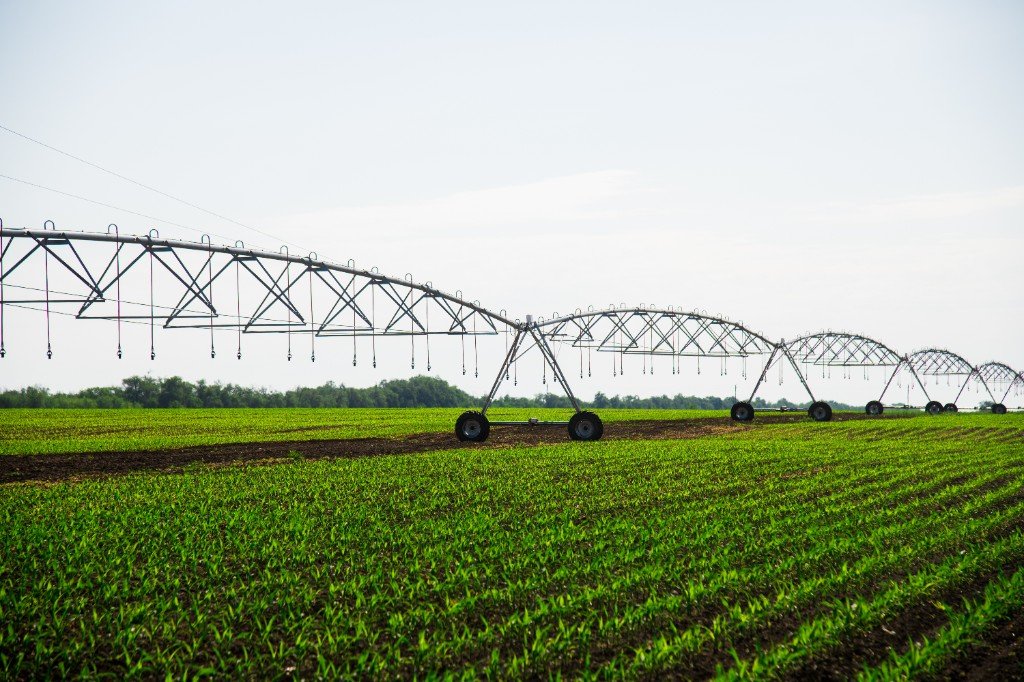
Irrigation is one of the most important solutions for strengthening Zimbabwe’s agriculture, supporting food security, commercial farming, horticulture, livestock feed production and rural development as rainfall becomes more unpredictable.
Every irrigation project also depends on logistics. Pipes, pumps, centre pivots, drip systems, tanks, solar panels, filters, valves, generators, control panels and installation materials must reach farms, estates and irrigation schemes safely and on time.
At Wyvern Freight, we support irrigation solutions by helping customers move equipment, project cargo, inputs and machinery across Zimbabwe and regional corridors.
Why irrigation solutions need proper logistics
Irrigation systems are often made up of many different components. Some are long and bulky, some are fragile, some are heavy, and some are high-value. If one key part is delayed or damaged, the whole project can be affected.
Good irrigation logistics should focus on
- Correct trailer selection.
- Safe loading of pipes, pumps and steel structures.
- Protection of solar panels, control panels and electrical equipment.
- Careful handling of drip lines, valves, filters and fittings.
- Route planning to farms, dams, schemes and estates.
- Offloading equipment such as cranes, forklifts or farm loaders.
- Delivery timing that matches the installation team.
- Inventory checks before and after transport.
- Border documentation for imported irrigation equipment.
- Site-access planning for rural roads and farm gates.
A successful irrigation solution is not complete until every component is delivered safely and ready for installation. The logistics fall into three flows: local distribution, inbound supply, and outbound project cargo.
Supplier to farm and scheme
Pivots, pumps, pipes, tanks and solar moving from Harare and suppliers to farms and schemes across every province.
Imported equipment
Pumps, solar systems, pipes, fittings and control equipment routed from borders to final farm destinations.
Project and regional cargo
Equipment, spares and project cargo moving toward Beitbridge, Forbes, Nyamapanda, Chirundu and Plumtree.
Local delivery route
Border post
Delivery hub
Main irrigation solutions and cargo types
An irrigation project is rarely one cargo type. It is a mix of long structures, fragile electronics and heavy equipment.
Centre pivot irrigation systems
Centre pivots are used for larger fields and commercial irrigation schemes. They include long steel spans, towers, wheels, pipes, gearboxes, sprinklers, cables and control panels. These parts are bulky and need careful transport to prevent bending, scratching or missing components.
Drip irrigation systems
Drip systems are common for horticulture, orchards, smallholder schemes and water-efficient farming. Cargo may include drip lines, mainlines, filters, valves, fertiliser injectors, pumps and fittings. Some items are light but bulky, while others are fragile and must be protected.
Sprinkler irrigation systems
Sprinkler systems include pipes, risers, sprinklers, pumps, valves and fittings. These can be moved on flat decks, curtainsiders or box trucks depending on packaging and distance.
Solar-powered irrigation solutions
Solar irrigation systems are important where electricity access is limited or unreliable. They may include solar panels, mounting structures, inverters, batteries, pumps, cables and control units. Solar panels and electrical components need enclosed or well-protected transport.
Pump stations and water storage
Pump stations, borehole pumps, diesel pumps, electric pumps, generators, tanks, filters and pipework may require flat decks, crane trucks, step decks or lowbeds depending on size and weight.
Greenhouse and horticulture irrigation equipment
Greenhouse irrigation cargo may include fertigation units, drip lines, tanks, greenhouse frames, shade netting, pumps, valves and monitoring equipment. These items often require a mix of flat deck and enclosed transport.
Local irrigation routes within Zimbabwe
Local irrigation logistics connects suppliers, warehouses, contractors, farms, estates, dams and irrigation schemes across the country.
Harare to Mashonaland West
Mashonaland West is a major farming province. Irrigation equipment may move from Harare to Chinhoyi, Banket, Karoi, Chegutu, Kadoma, Norton and surrounding farming districts. Common cargo includes centre pivots, pumps, pipes, tanks, drip systems, solar irrigation equipment and farm machinery.
Harare to Mashonaland Central
Mashonaland Central routes include Bindura, Mazowe, Mvurwi, Guruve, Shamva and Mount Darwin. These routes support commercial farms, smallholder schemes, horticulture operations and drought-resilience projects.
Harare to Mashonaland East
Mashonaland East routes connect Harare to Marondera, Murehwa, Mutoko, Wedza, Goromonzi and surrounding farms. Because many of these destinations are close to Harare, the routes are useful for fast irrigation equipment delivery, but farm-road access and offloading must still be planned.
Manicaland irrigation routes
Manicaland routes include Mutare, Rusape, Nyazura, Chipinge, Chimanimani and surrounding areas. Irrigation solutions may support fruit, horticulture, tea, macadamia, smallholder schemes and commercial agriculture. Some areas have hilly terrain, so route planning is important when moving long pipes, heavy pumps and large structures.
Midlands irrigation routes
The Midlands connects Gweru, Kwekwe, Mvuma, Shurugwi, Gokwe and surrounding districts. It is useful for irrigation project cargo because it links Harare, Bulawayo, Masvingo and Beitbridge corridors.
Masvingo and Lowveld routes
Masvingo, Chiredzi, Triangle, Hippo Valley, Mwenezi and surrounding areas are important for irrigation, sugarcane, horticulture, livestock feed crops and commercial farming. Irrigation cargo in this region may include large pumps, pipes, tanks, centre pivots, solar systems and water-storage equipment. Long-distance planning, heat, road condition and farm access should be considered.
Bulawayo and Matabeleland routes
Bulawayo is the main logistics hub for western Zimbabwe. Irrigation equipment can move from Bulawayo to Gwanda, Plumtree, Lupane, Hwange, Victoria Falls, Filabusi, Maphisa and surrounding farming or livestock areas. This region often needs water-storage systems, borehole equipment, solar pumps, irrigation pipes and livestock water solutions.
Inbound routes for irrigation solutions
Many irrigation systems, pumps, fittings, solar systems and control equipment are imported or supplied through regional supply chains. Inbound logistics must include border clearance, trailer choice and final farm delivery.
South Africa to Zimbabwe via Beitbridge
Beitbridge is one of Zimbabwe’s most important inbound routes for irrigation equipment. Cargo from South Africa can enter through Beitbridge and move to Masvingo, Harare, Bulawayo, Midlands, Mashonaland, Manicaland and Matabeleland. This route is suitable for centre pivot components, pumps and motors, solar irrigation equipment, drip irrigation kits, pipes and fittings, tanks, generators, valves and filters, control panels, and farm machinery and installation tools.
Mozambique to Zimbabwe via Forbes
The Forbes border near Mutare connects Zimbabwe with Mozambique and the Beira Corridor. This route can support irrigation equipment arriving through port-linked supply chains or regional suppliers. From Forbes, cargo can move through Mutare, Rusape, Marondera and Harare, then onward to farms and irrigation schemes.
Zambia to Zimbabwe via Chirundu
The Chirundu route supports irrigation-related cargo moving between Zambia and Zimbabwe. Equipment entering through Chirundu can move through Karoi, Chinhoyi and Harare, then onward to Mashonaland, Midlands, Masvingo and other farming regions.
Botswana to Zimbabwe via Plumtree
The Plumtree route supports irrigation equipment entering western Zimbabwe. From Plumtree, cargo can move to Bulawayo, Gwanda, Matabeleland, Midlands and inland farming areas.
Nyamapanda and other entry points
Depending on the supplier and final destination, irrigation cargo may also move through Nyamapanda, Sango, Victoria Falls or Kazungula. The best route depends on origin, cargo size, border requirements and the final delivery point.
Outbound routes for irrigation equipment and project cargo
Outbound irrigation logistics may involve moving Zimbabwe-supplied irrigation equipment, spare parts, pumps, pipes, solar components, tanks, or project cargo to neighbouring countries. It can also include redeploying equipment between farms and schemes.
Zimbabwe to South Africa via Beitbridge
The Beitbridge route can support irrigation equipment, farm machinery, spares and project cargo moving between Zimbabwe and South Africa.
Zimbabwe to Mozambique via Forbes or Nyamapanda
The Forbes and Nyamapanda routes can support irrigation cargo moving into Mozambique for agriculture projects, installation teams and regional supply chains.
Zimbabwe to Zambia via Chirundu
The Chirundu route supports northbound irrigation equipment, pumps, pipes, fittings, tanks and agricultural project cargo moving into Zambia.
Zimbabwe to Botswana via Plumtree
The Plumtree route supports irrigation and farm equipment moving from Zimbabwe into Botswana or western regional markets.
Best vehicles and trailers for irrigation solutions
The best trailer depends on the size, weight and sensitivity of the irrigation cargo.
Pipes and centre pivot structures: flat deck or extendable flat deck
For irrigation pipes, centre pivot spans, steel structures and long components, the best option is usually a flat deck or extendable flat deck trailer. It allows easy side loading, safe strapping of long items, forklift or crane loading, transport of pipes, frames and towers, flexible loading of mixed components and practical farm-site offloading. For long centre pivot spans or pipe bundles, an extendable trailer may be needed to reduce unsafe overhang.
Pumps, motors, valves and filters: curtainsider or box trailer
Pumps, motors, valves, filters and packaged fittings should be protected from rain, dust and rough handling. A curtainsider or box trailer is usually best for these items. Cargo should be palletised or boxed where possible to reduce damage during loading and transport.
Solar irrigation systems: enclosed trailer or curtainsider
Solar panels, inverters, batteries and control systems require careful handling. Solar panels should be protected from impact, rain and poor stacking.
A good solar transport plan should include
- Enclosed or covered transport.
- Proper packaging.
- Secure strapping.
- Separation from heavy steel components.
- Inventory checks.
- Careful offloading.
Water tanks: flat deck or crane truck
Water tanks are bulky and can be difficult to load. A flat deck is suitable for most tanks, while a crane truck may be useful where the farm has no forklift or loader. Plastic tanks must be secured carefully to avoid cracking, deformation or movement during transport.
Large pump stations and generators: lowbed or step deck
Large pump stations, generators, skid-mounted pumps and heavy machinery may require a lowbed or step deck trailer. This is especially important for tall, heavy or oversized equipment.
Mixed irrigation project loads: combination transport
Many irrigation projects require more than one vehicle. A centre pivot installation may need one flat deck for steel structures and pipes, plus one enclosed truck for control panels, gearboxes, sprinklers and electrical components. For mixed solutions, the best plan may combine a flat deck for pipes and steel, a curtainsider or box trailer for sensitive components, a lowbed for heavy pumps or generators, and a crane truck for tanks and difficult offloading sites.
Wyvern Freight’s recommendation
For irrigation solutions logistics in Zimbabwe, Wyvern Freight recommends matching the trailer to the cargo:
- Centre pivot spans and pipes: flat deck or extendable flat deck.
- Drip irrigation kits: curtainsider or box trailer.
- Pumps and motors: curtainsider, box trailer or protected flat deck.
- Solar panels and inverters: enclosed trailer or curtainsider.
- Water tanks: flat deck or crane truck.
- Large pump stations and generators: lowbed or step deck.
- Greenhouse irrigation equipment: flat deck plus enclosed transport.
- Mixed project cargo: combined flat deck and enclosed transport solution.
For most irrigation projects, the best overall approach is a flat deck for long and bulky items, supported by a curtainsider or box trailer for sensitive and electrical components.
Wyvern Freight
Site access and offloading planning
Many irrigation projects are delivered directly to farms, estates or schemes. These locations may not have proper loading bays, forklifts or cranes. Planning the offloading process before dispatch helps reduce waiting time and prevent damage.
Before delivery, confirm
- Road access to the farm or scheme.
- Gate width and turning space.
- Bridge and powerline clearance.
- Ground condition during rainy season.
- Availability of cranes, forklifts or farm loaders.
- Safe storage area for pipes and equipment.
- Security for high-value components.
- Installation team schedule.
- Contact person at the delivery point.
Good delivery planning helps the irrigation team start work faster.
Why choose Wyvern Freight for irrigation solutions logistics?
Irrigation projects need dependable transport. Farmers need equipment delivered before planting. Contractors need complete systems delivered together. Development projects need coordination across many sites. Suppliers need cargo protected from damage and delays.
- Local irrigation equipment delivery.
- Cross-border irrigation cargo transport.
- Farm and project-site route planning.
- Trailer selection.
- Pipe and centre pivot transport.
- Pump, tank and solar equipment movement.
- Greenhouse and drip irrigation logistics.
- Border route coordination.
- Delivery updates and professional communication.
- Transport planning for agricultural development projects.
From Harare to Chinhoyi, from Beitbridge to Masvingo, from Forbes to Mutare, from Bulawayo to Plumtree, and from Chirundu to Karoi, Wyvern Freight helps move irrigation solutions safely and efficiently across Zimbabwe and the region.
Conclusion
Irrigation solutions are essential for Zimbabwe’s agricultural growth, climate resilience and year-round production. But every irrigation project depends on reliable logistics.
Pipes and centre pivot structures need flat decks or extendable trailers. Pumps, valves and control panels need enclosed transport. Solar systems need careful handling. Tanks may require flat decks or crane trucks. Large pump stations and generators may require lowbeds or step decks. For dependable irrigation solutions transport in Zimbabwe, partner with Wyvern Freight, moving equipment, supporting farmers and helping agriculture grow.
RELATED POSTS
View all


Soya Bean Production Transport in Zimbabwe: Local, Inbound and Outbound Route Planning
June 15, 2026 | by Wyvernfreight

Cotton Farming Transport in Zimbabwe: Local, Inbound and Outbound Route Planning
June 15, 2026 | by Wyvernfreight
Maize Transportation in Zimbabwe: Inbound, Outbound and Local Route Planning
June 13, 2026 | by Wyvernfreight