

Lithium Transportation in Zimbabwe: Local, Inbound and Outbound Route Planning
June 15, 2026 | by Wyvernfreight
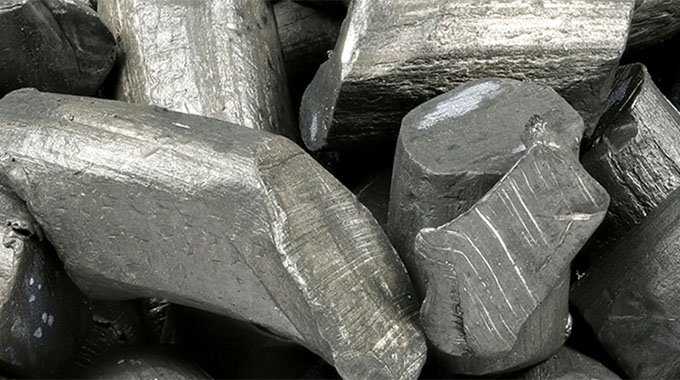
Lithium is one of Zimbabwe’s most important fast-growing mineral commodities, widely used in rechargeable batteries, electric vehicles, energy storage, electronics, ceramics and glass.
As global demand for battery minerals continues to grow, Zimbabwe’s lithium sector has become a major part of the country’s mining and export economy. Lithium cargo can move as ore, spodumene concentrate, petalite, lepidolite, lithium sulphate, samples, packaged minerals, processing equipment or mining supplies. Each cargo type needs the right route, trailer, documentation and handling plan.
At Wyvern Freight, we support lithium-sector customers with practical transport solutions for local mine routes, inbound mining supplies, outbound mineral cargo and regional logistics corridors.
Why lithium transport needs proper planning
Lithium logistics must be planned carefully because the cargo can be valuable, regulated, dusty, moisture-sensitive and quality-sensitive. Poor transport planning can lead to contamination, spillage, wet cargo, rejected loads, border delays or unnecessary costs.
A strong lithium transport plan should consider
- Cargo type and value.
- Mine location and access-road condition.
- Trailer strength and suitability.
- Weather protection.
- Dust and spillage control.
- Export permits and mineral documentation.
- Axle-load compliance.
- Loading and offloading method.
- Cargo sealing and tracking.
- Route planning to processors, warehouses, borders or ports.
- Communication between mine, transporter, buyer and clearing agent.
Lithium is not a one-size-fits-all cargo. Raw ore, concentrate and processed lithium products require different handling. Movement can be grouped into three categories: local mine-and-plant routes, inbound supply routes, and outbound export-linked routes.
Mine, plant and warehouse
Ore and concentrate moving from Bikita, Arcadia, Sabi Star, Kamativi and Sandawana to processors and consolidation points.
Supplies into operations
Machinery, plant components, chemicals and spares routed from borders into lithium mining areas.
Export-linked corridors
Approved ore, concentrate and processed product moving toward Beitbridge, Forbes, Chirundu and Plumtree.
Local route
Border post
Lithium / industrial hub
Main types of lithium cargo
Lithium cargo can move in several forms across Zimbabwe’s mining and processing supply chain.
Lithium ore
Lithium ore is usually moved from mine sites to processing plants or crushing facilities. It is heavy bulk cargo and normally requires strong tippers or high-sided trailers.
Spodumene concentrate
Spodumene concentrate is a processed lithium-bearing product. It is more valuable than raw ore and must be protected from moisture, contamination and product loss.
Petalite and lepidolite
Petalite and lepidolite are lithium minerals that may be moved as ore, concentrate or packaged product depending on the buyer and processing stage.
Lithium sulphate and processed products
Lithium sulphate is an intermediate processed product used in the battery-material supply chain. It requires more controlled handling than ordinary ore because product quality, packaging and documentation are important.
Mining equipment and processing plant cargo
Lithium mines and processors also need crushers, screens, conveyors, pumps, generators, tanks, chemicals, bags, steel structures, solar equipment, plant spares and heavy machinery.
Local lithium routes within Zimbabwe
Zimbabwe’s lithium logistics routes are linked to major mining areas such as Bikita, Arcadia, Sabi Star, Kamativi, Sandawana and other developing lithium projects.
Bikita and Masvingo routes
Bikita is one of Zimbabwe’s best-known lithium mining areas. Lithium cargo from Bikita can move toward Masvingo, Harare, Mutare, Beitbridge, Gweru and Bulawayo depending on the buyer, processor or export route. Common route options include Bikita to Masvingo, Bikita to Harare, Bikita to Mutare and Forbes, Bikita to Beitbridge, Bikita to Gweru and Bulawayo, and Bikita to local processing facilities. This route is important for ore, concentrate, mining supplies, processing equipment and export-ready lithium cargo.
Arcadia and Goromonzi routes
Arcadia, near Goromonzi and Harare, is strategically located close to Zimbabwe’s capital and major national routes. Cargo from this area can move quickly to Harare for documentation, warehousing, customs preparation, processing support or onward dispatch. Common routes include Arcadia to Harare, Arcadia to Mutare and Forbes, Arcadia to Beitbridge via Harare and Masvingo, Arcadia to Chirundu via Harare, Chinhoyi and Karoi, and Arcadia to Bulawayo via Harare, Kadoma, Kwekwe and Gweru. Because Arcadia is close to Harare, it is well positioned for controlled dispatch and export preparation.
Sabi Star and Buhera routes
Sabi Star is linked to lithium activity in Buhera and Manicaland. Cargo from this region can move toward Mutare, Harare, Masvingo or Forbes depending on destination. Common routes include Buhera to Mutare, Buhera to Harare, Buhera to Masvingo, Buhera to Forbes via Mutare, and Buhera to Beitbridge via Masvingo. Route planning is important because some access roads may vary in condition, especially during rainy periods.
Kamativi and Matabeleland North routes
Kamativi is located in Matabeleland North and is important for western lithium logistics. Cargo from Kamativi can move to Hwange, Victoria Falls, Bulawayo, Plumtree, Beitbridge or Harare depending on the customer’s destination. Common route options include Kamativi to Hwange, Kamativi to Victoria Falls, Kamativi to Bulawayo, Kamativi to Plumtree, Kamativi to Beitbridge, and Kamativi to Harare through Bulawayo and Midlands routes. This route requires careful planning because distances are long and some roads may be more challenging for heavy bulk cargo.
Sandawana and Mberengwa routes
Sandawana is located in the Mberengwa area and is connected to Midlands and southern Zimbabwe logistics routes. Cargo can move toward Zvishavane, Gweru, Masvingo, Beitbridge, Bulawayo or Harare. Common routes include Sandawana to Mberengwa, Sandawana to Zvishavane, Sandawana to Gweru, Sandawana to Masvingo, Sandawana to Beitbridge, and Sandawana to Bulawayo. The best route depends on road condition, cargo type, buyer location and whether the load is going to a processor, warehouse, local customer or border corridor.
Inbound routes for lithium mining and processing
Inbound lithium logistics usually involves moving mining supplies, machinery, plant components, packaging materials, chemicals, tyres, pumps, tanks, steel structures and spare parts into Zimbabwe’s lithium mining areas.
South Africa to Zimbabwe via Beitbridge
The Beitbridge corridor is one of Zimbabwe’s most important inbound mining supply routes. Cargo from South Africa can enter through Beitbridge and move to Masvingo, Bikita, Harare, Goromonzi, Midlands, Bulawayo, Kamativi and other lithium destinations. This route is suitable for mining machinery, processing equipment, plant spares, conveyor systems, crushers and screens, pumps and motors, bags and packaging, industrial chemicals, and tyres, filters and workshop supplies.
Mozambique to Zimbabwe via Forbes
The Forbes border near Mutare connects Zimbabwe to Mozambique and the Beira Corridor. This route can support port-linked mining equipment and export cargo moving between Zimbabwe and Mozambique. From Forbes, cargo can move to Mutare, Buhera, Harare, Goromonzi, Bikita, Masvingo and other lithium locations.
Zambia to Zimbabwe via Chirundu
The Chirundu route supports mining and industrial cargo moving between Zambia and Zimbabwe. Cargo entering through Chirundu can move through Karoi, Chinhoyi and Harare, then onward to Arcadia, Bikita, Buhera, Midlands or other destinations.
Botswana to Zimbabwe via Plumtree
The Plumtree route supports mining equipment and industrial cargo entering western Zimbabwe. From Plumtree, cargo can move to Bulawayo, Kamativi, Hwange, Midlands, Harare and other lithium project areas.
Outbound lithium routes from Zimbabwe
Outbound lithium transport must be planned according to current mining, export and beneficiation rules. Customers should always confirm the latest permit requirements, buyer approvals, export documentation and customs processes before dispatch.
Lithium mines to local processing plants
As Zimbabwe pushes for more local beneficiation, lithium ore and concentrates may move from mines to local concentrators, processing plants, sulphate plants or approved industrial facilities. This is one of the most important domestic lithium logistics routes because it connects mining activity to value addition inside Zimbabwe.
Lithium cargo to Harare
Harare is a major hub for documentation, banking, customs preparation, buyer coordination, laboratory work, warehousing, samples and dispatch planning. Lithium cargo from Bikita, Arcadia, Buhera, Mberengwa and other mining areas may move through Harare before onward dispatch.
Lithium cargo to Forbes and the Beira Corridor
The Harare-Mutare-Forbes route connects Zimbabwe to Mozambique and the Beira Corridor. This route can support port-linked exports, mining supplies and regional cargo movements where documentation is approved.
Lithium cargo to Beitbridge
The Beitbridge corridor links Zimbabwe to South Africa and wider southern African markets. Lithium-related cargo, mining supplies, processed products and approved mineral movements may use this route depending on buyer location and compliance requirements.
Lithium cargo to Plumtree
The Bulawayo-Plumtree route supports westbound cargo into Botswana and regional markets. This route is useful for lithium cargo and mining supplies from Kamativi, Bulawayo, Midlands and western Zimbabwe.
Lithium cargo to Chirundu
The Harare-Chinhoyi-Karoi-Chirundu route supports northbound cargo into Zambia and wider regional markets. It can support mining equipment, samples, approved mineral cargo and industrial supplies.
The best trailer for lithium transportation
The best trailer depends on whether the lithium cargo is ore, concentrate, bagged product, processed material or mining equipment.
Lithium ore: heavy-duty covered side tipper or end tipper
For raw lithium ore, the best option is usually a heavy-duty side tipper or end tipper. Lithium ore is bulk mineral cargo, so the trailer must be strong and suitable for mine roads.
A good lithium ore trailer should have
- Strong steel body.
- Heavy-duty suspension.
- Reliable tipping system.
- Secure tailgate or side discharge.
- Tarpaulin cover.
- Good sealing to reduce spillage.
- Correct axle-load compliance.
- Clean interior before loading.
- Ground clearance for mine access roads.
For mine-to-plant movement, a covered side tipper is often the most practical because it supports high-volume movement and faster offloading.
Spodumene concentrate: sealed and covered bulk trailer or container
Spodumene concentrate is more valuable and quality-sensitive than raw ore. It should be protected from rain, dust, contamination and product loss. Suitable transport options include a covered side tipper, sealed end tipper, high-sided covered trailer, curtainsider for bagged product, container for export-ready cargo, and bulk bags inside enclosed transport. The best option depends on whether the concentrate is loose, bagged, palletised or containerised.
Petalite and lepidolite: covered trailer or enclosed transport
Petalite and lepidolite should be protected from contamination and moisture. If transported loose, a covered and sealed bulk trailer may be suitable. If bagged or processed, a curtainsider, box trailer or container is better.
Lithium sulphate and processed products: enclosed trailer or container
Lithium sulphate and processed lithium products require more controlled handling than raw ore. A container, curtainsider or enclosed box trailer is usually better than an open tipper. The key requirements are weather protection, clean cargo space, packaging protection, cargo sealing, careful loading and offloading, clear documentation and inventory control.
Samples and high-value small consignments: secure enclosed vehicle
Lithium samples, laboratory material and high-value small consignments should be moved in secure enclosed vehicles. The focus should be chain of custody, documentation, confidentiality and safe delivery.
Mining equipment: flat deck, step deck or lowbed
Lithium mining and processing operations also need transport for heavy machinery and plant equipment. Use flat deck trailers for general mining equipment, step deck trailers for taller machinery, lowbed trailers for heavy or oversized equipment, extendable trailers for long steel or conveyor sections, and curtainsiders or box trailers for packaged spares and electrical components.
Wyvern Freight’s recommendation
For lithium logistics in Zimbabwe, Wyvern Freight recommends matching the trailer to the cargo form:
- Lithium ore: heavy-duty covered side tipper or end tipper.
- Spodumene concentrate: sealed covered trailer, curtainsider or container.
- Petalite and lepidolite: covered trailer or enclosed transport depending on packaging.
- Lithium sulphate: enclosed trailer or container.
- Samples: secure enclosed vehicle.
- Mining equipment: flat deck, step deck or lowbed.
- Packaged spares: curtainsider or box trailer.
For most mine-to-plant movements a heavy-duty covered side tipper is most practical; for concentrate and processed lithium, sealed and enclosed transport is safer; for plant equipment, choose the deck by weight and dimensions.
Wyvern Freight
Compliance and documentation
Lithium is a regulated mineral commodity. Before moving lithium cargo, customers should confirm all requirements with the relevant authorities, buyer, mine, clearing agent and transporter.
Before dispatch, check
- Mining title or buyer approvals.
- Mineral movement permits.
- Export permits where applicable.
- Customs documentation.
- Weighbridge certificates.
- Product analysis or assay documents.
- Sealing requirements.
- Insurance and cargo value declaration.
- Border documentation.
- Destination-country import requirements.
Because lithium rules can change, customers should never dispatch export cargo without confirming current regulations.
Why choose Wyvern Freight for lithium logistics?
Lithium logistics needs strength, reliability, clean cargo handling and proper route planning. Wyvern Freight supports mining companies, processors, suppliers and industrial customers with practical freight solutions across Zimbabwe and regional corridors.
- Mine-to-plant lithium transport.
- Lithium concentrate movement.
- Processed lithium cargo transport.
- Mining equipment logistics.
- Inbound mining supply transport.
- Export corridor planning.
- Trailer selection.
- Border route coordination.
- Local route planning through Bikita, Arcadia, Buhera, Kamativi, Sandawana, Harare, Masvingo, Mutare, Bulawayo and Midlands.
- Delivery updates and professional communication.
From Bikita to Masvingo, from Arcadia to Harare, from Buhera to Mutare, from Kamativi to Bulawayo, and from Zimbabwe’s lithium mines to Beitbridge, Forbes, Chirundu and Plumtree, Wyvern Freight helps move lithium cargo safely and efficiently.
Conclusion
Lithium transportation in Zimbabwe requires careful planning, strong vehicles, clean loading, cargo protection and compliance with current mineral regulations. Raw lithium ore needs heavy-duty covered tippers. Spodumene concentrate needs sealed and protected transport. Lithium sulphate and processed products need enclosed or containerised movement. Mining equipment needs flat decks, step decks or lowbeds.
For dependable lithium logistics in Zimbabwe, partner with Wyvern Freight, moving battery minerals, supporting mining and connecting Zimbabwe to regional and global markets.
RELATED POSTS
View all


Gold Transportation in Zimbabwe: Secure Local, Inbound & Outbound Route Planning
June 15, 2026 | by Wyvernfreight
Copper Transportation in Zimbabwe: Local, Inbound and Outbound Route Planning
June 15, 2026 | by Wyvernfreight
Graphite Transportation in Zimbabwe: Local, Inbound and Outbound Route Planning
June 15, 2026 | by Wyvernfreight