

Livestock Development and Transport in Zimbabwe: Local, Inbound and Outbound Route Planning
June 15, 2026 | by Wyvernfreight
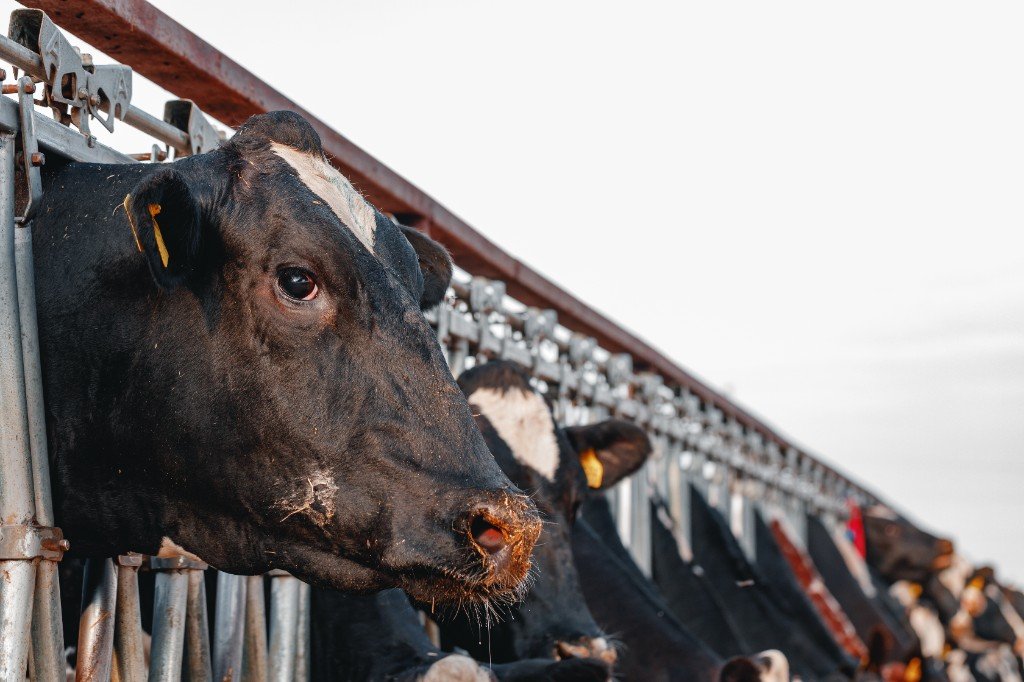
Livestock development is an important part of Zimbabwe’s agricultural economy, cattle, goats, sheep, pigs, poultry and dairy animals support food security, rural incomes, employment, meat supply, milk production and value-added industries.
For livestock farmers, buyers, abattoirs, dairy operators, processors and traders, successful livestock development depends on more than breeding and feeding animals. Livestock must also move safely and legally from farms to markets, feedlots, abattoirs, dairies, breeding centres and regional trade corridors.
At Wyvern Freight, we understand that livestock transport is different from ordinary freight. Animals are live cargo, which means transport must protect animal welfare, reduce stress, follow veterinary movement rules and deliver safely.
Why livestock transport needs careful planning
Livestock transport requires planning because animals can be injured, stressed or exposed to disease when movement is poorly managed. The wrong vehicle, overcrowding, poor ventilation, long delays, weak loading ramps or lack of route planning can reduce animal value and create serious welfare and compliance risks.
Good livestock logistics should focus on
- Correct veterinary movement permits and clearances.
- Clean and disinfected vehicles.
- Proper loading ramps.
- Non-slip floors.
- Good ventilation.
- Safe partitions to prevent falling or crushing.
- Correct stocking density.
- Separation of incompatible animals.
- Water and rest planning for longer trips.
- Fast loading and offloading.
- Route planning to avoid unnecessary delays.
- Communication between farmer, transporter, buyer and veterinary authorities.
Livestock transport should always be done with the health of the animals and the safety of the driver in mind. Movement can be grouped into three main categories: local farm-and-market routes, inbound supply routes, and outbound export-linked routes.
Farm, market and abattoir
Cattle, small stock, pigs and poultry moving from farms and communal areas to markets, feedlots, abattoirs and dairies.
Breeding stock and inputs
Breeding animals, dairy and poultry equipment, stockfeed and veterinary supplies routed from borders into farms.
Animals and products
Approved live animals, meat, dairy, hides and skins moving toward Beitbridge, Plumtree, Chirundu, Forbes and Nyamapanda.
Local route
Border post
Livestock hub
Local livestock routes within Zimbabwe
Local livestock routes connect farms, communal areas, commercial farms, livestock markets, feedlots, abattoirs, dairies and processors across the country.
Matabeleland South routes
Matabeleland South is one of Zimbabwe’s important livestock regions. Common routes include Gwanda, Beitbridge, Plumtree, Filabusi, Maphisa, Insiza and surrounding districts moving toward Bulawayo, abattoirs, feedlots, breeding centres and border-linked markets. This region needs reliable livestock trucks because some farm and rural roads may be rough, especially during the rainy season.
Matabeleland North routes
Livestock movements in Matabeleland North may connect Lupane, Hwange, Binga, Tsholotsho, Nkayi and Victoria Falls to Bulawayo, local markets, abattoirs and regional routes. Route planning is important because distances can be long and water availability may vary.
Midlands routes
The Midlands province is centrally located and supports livestock movement from Gweru, Kwekwe, Shurugwi, Mberengwa, Gokwe, Zvishavane and surrounding areas. Cargo can move to Bulawayo, Harare, Masvingo, Beitbridge or local abattoirs and feedlots. Because the Midlands links several national highways, it is useful for both local and cross-border livestock logistics.
Masvingo routes
Masvingo livestock routes include Masvingo, Chiredzi, Mwenezi, Chivi, Bikita, Zaka and surrounding districts. Animals may move to local markets, abattoirs, breeding projects, dairy operations or the Beitbridge corridor. Long-distance trips in this region should be carefully planned because heat, distance and road condition can affect animal welfare.
Mashonaland routes
Mashonaland West, Mashonaland Central and Mashonaland East support cattle, dairy, goats, pigs and poultry movement. Routes may connect Chinhoyi, Banket, Karoi, Bindura, Mazowe, Mvurwi, Marondera, Murehwa and Wedza to Harare, Norton, Ruwa, abattoirs, dairies, poultry processors and livestock markets. Harare is a major demand centre for meat, milk, poultry and processed livestock products.
Manicaland routes
Manicaland livestock routes include Mutare, Rusape, Chipinge, Chimanimani, Buhera and surrounding districts. Livestock and livestock products may move to Mutare, Harare, local processors or the Forbes border corridor where legal and veterinary requirements are met.
Inbound routes for livestock development
Inbound livestock logistics includes the movement of breeding animals, dairy cattle, goats, sheep, poultry, day-old chicks, stockfeed, veterinary supplies, farm equipment, fencing, water tanks and livestock handling equipment into Zimbabwe.
South Africa to Zimbabwe via Beitbridge
Beitbridge is one of the most important inbound routes for livestock development supplies. Breeding stock, dairy equipment, poultry equipment, veterinary supplies, stockfeed ingredients, fencing and farm machinery can move from South Africa into Zimbabwe through Beitbridge. From Beitbridge, cargo can continue to Masvingo, Midlands, Bulawayo, Harare, Mashonaland, Manicaland and Matabeleland.
Botswana to Zimbabwe via Plumtree
The Plumtree route supports livestock and livestock-related cargo entering western Zimbabwe. It is useful for movements into Bulawayo, Matabeleland South, Matabeleland North and the Midlands. This route is especially important for western livestock operations, farm inputs and regional trade.
Zambia to Zimbabwe via Chirundu
The Chirundu route supports livestock-related cargo moving between Zambia and Zimbabwe. Cargo entering through Chirundu can move through Karoi, Chinhoyi and Harare, then onward to other provinces. This corridor can support livestock equipment, feed inputs and approved animal movements.
Mozambique to Zimbabwe via Forbes
The Forbes border near Mutare connects Zimbabwe with Mozambique and the Beira Corridor. It can support livestock inputs, veterinary products, equipment and approved animal-product movements. From Forbes, cargo can move to Mutare, Rusape, Marondera, Harare and inland livestock centres.
Outbound routes for livestock and livestock products
Outbound livestock logistics may involve live animals, chilled meat, frozen meat, hides, skins, dairy products, poultry products, breeding stock, eggs, day-old chicks, stockfeed and processed livestock products. These movements depend on permits, veterinary requirements, buyer specifications and destination-country rules.
Zimbabwe to South Africa via Beitbridge
The Beitbridge corridor is important for approved livestock-related exports, animal products, hides, skins, dairy cargo, meat products and livestock inputs moving between Zimbabwe and South Africa. Live animal movement through this corridor must be planned with veterinary inspection, permits, documentation and welfare controls.
Zimbabwe to Botswana via Plumtree
The Bulawayo-Plumtree route supports westbound cargo into Botswana. It is useful for animal products, livestock inputs, hides, skins, stockfeed and approved live animal movements.
Zimbabwe to Zambia via Chirundu
The Harare-Chinhoyi-Karoi-Chirundu route supports northbound cargo into Zambia. It can serve livestock products, breeding projects, feed ingredients and approved cross-border animal movements.
Zimbabwe to Mozambique via Forbes or Nyamapanda
The Forbes and Nyamapanda routes can support livestock-related cargo moving into Mozambique, including processed livestock products, veterinary supplies, stockfeed and approved live animal or animal-product movements.
The best vehicle or trailer for livestock transport
The best vehicle depends on whether the cargo is live animals, meat, milk, poultry, eggs, hides or stockfeed.
Live cattle: purpose-built livestock truck or trailer
For live cattle, the best option is a purpose-built livestock truck or livestock trailer. It should have strong side panels, good ventilation, non-slip flooring, proper gates, safe partitions and a reliable loading ramp.
A good cattle transport vehicle should include
- Ventilated sides.
- Strong body structure.
- Non-slip floor.
- Internal partitions.
- Safe loading and offloading ramp.
- Strong gates and locks.
- Easy cleaning and disinfection.
- Enough space to prevent crushing.
- Shade and airflow for hot conditions.
Cattle should not be moved in ordinary open trucks that are not designed for animals.
Goats and sheep: small-stock livestock trailer
Goats and sheep need a smaller-stock livestock trailer with secure sides, partitions and controlled space. Because goats and sheep can jump or crowd together, the vehicle must be enclosed enough to prevent escape while still allowing airflow. For longer trips, animals should not be overcrowded, and mixed groups should be managed carefully.
Pigs: ventilated enclosed livestock truck
Pigs are sensitive to heat and stress. A ventilated livestock truck with shade, secure partitions and non-slip flooring is best. Loading and offloading must be calm and controlled to reduce stress and injury.
Poultry: ventilated crate truck
For live chickens and other poultry, the best vehicle is a ventilated crate truck. Birds should be transported in clean crates with good airflow and protection from heat, rain and rough handling. Poultry transport requires careful timing, especially during hot weather.
Meat products: refrigerated truck
For chilled or frozen meat, the best option is a refrigerated truck. Meat must be transported under cold-chain conditions to protect product quality and food safety. Refrigerated vehicles are suitable for chilled beef, frozen beef, pork, poultry meat, processed meat products, and sausages and value-added products.
Milk: insulated or refrigerated milk tanker
Milk should be moved in hygienic milk tankers or refrigerated vehicles designed for dairy cargo. Temperature control and cleanliness are very important because milk can spoil quickly.
Hides and skins: covered truck or enclosed trailer
Hides and skins should be moved in covered or enclosed vehicles to protect them from rain, contamination and loss. If they are salted, they must be stacked and secured properly.
Stockfeed and livestock inputs: flat deck, curtainsider or bulk trailer
Stockfeed, hay, veterinary supplies, fencing, water tanks and livestock equipment can move on flat decks, curtainsiders, box trailers or bulk trailers depending on the cargo. Bagged feed is best moved in a covered curtainsider or box trailer. Bulk feed may require a bulk trailer or grain-style trailer.
Wyvern Freight’s recommendation
For livestock development logistics in Zimbabwe, Wyvern Freight recommends choosing the vehicle according to the cargo:
- Live cattle: purpose-built livestock truck or livestock trailer.
- Goats and sheep: small-stock livestock trailer.
- Pigs: ventilated enclosed livestock truck.
- Poultry: ventilated crate truck.
- Chilled or frozen meat: refrigerated truck.
- Milk: hygienic milk tanker or refrigerated vehicle.
- Hides and skins: covered or enclosed truck.
- Stockfeed: curtainsider, flat deck or bulk trailer.
- Livestock equipment: flat deck, curtainsider or lowbed depending on size and weight.
The best livestock vehicle is one that protects animal welfare, meets legal requirements, reduces stress and supports safe loading and offloading.
Wyvern Freight
Compliance and documentation
Livestock movement must be handled carefully because animal diseases can spread through illegal or poorly controlled transport. Farmers, traders and transporters should work with veterinary authorities before moving animals.
Before moving livestock, check
- Veterinary movement permit requirements.
- Police or ownership clearance where required.
- Animal identification and branding requirements.
- Vaccination or inspection requirements.
- Disease-control restrictions in the area.
- Destination-country import requirements for cross-border movement.
- Abattoir, buyer or market delivery rules.
Wyvern Freight can help customers plan the logistics side of livestock movement, but veterinary and regulatory approvals must always be obtained before dispatch.
Why choose Wyvern Freight for livestock development logistics?
Livestock development requires dependable transport. Farmers need animals moved safely. Abattoirs need reliable supply. Dairy operators need cold-chain planning. Traders need legal and efficient movement. Processors need livestock products delivered in the right condition.
- Local livestock route planning.
- Cross-border livestock logistics support.
- Livestock vehicle selection.
- Stockfeed and input distribution.
- Meat and dairy cold-chain transport planning.
- Abattoir and market deliveries.
- Farm-to-farm movements.
- Route coordination through Beitbridge, Plumtree, Chirundu, Forbes and Nyamapanda.
- Professional communication and delivery updates.
From Matabeleland to Masvingo, from Midlands to Mashonaland, and from Manicaland to Zimbabwe’s regional corridors, Wyvern Freight helps keep the livestock value chain moving.
Conclusion
Livestock development depends on healthy animals, strong markets and reliable logistics. Transport plays a major role in connecting farmers to buyers, processors, abattoirs, dairies and regional markets.
Whether you are moving cattle, goats, sheep, pigs, poultry, meat, milk, hides, stockfeed or livestock equipment, Wyvern Freight provides practical transport solutions for Zimbabwe’s livestock sector. For safe and dependable livestock logistics in Zimbabwe, partner with Wyvern Freight, moving animals, supporting farmers and connecting livestock markets.
RELATED POSTS
View all

Horticulture Transportation in Zimbabwe: Local, Inbound and Outbound Route Planning
June 15, 2026 | by Wyvernfreight
Agricultural Inputs Transport in Zimbabwe: Local, Inbound and Outbound Route Planning
June 15, 2026 | by Wyvernfreight
Livestock Solutions in Zimbabwe: Transport, Feed, Cold Chain and Route Planning
June 15, 2026 | by Wyvernfreight