

Livestock Solutions in Zimbabwe: Transport, Feed, Cold Chain and Route Planning
June 15, 2026 | by Wyvernfreight
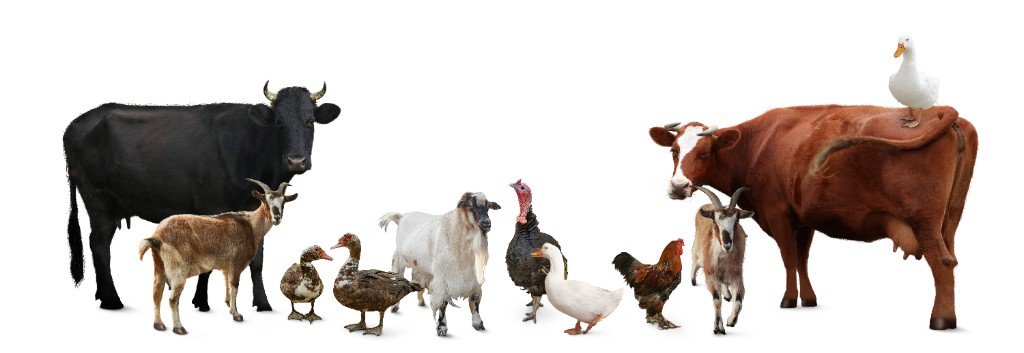
Livestock is one of Zimbabwe’s most important agricultural sectors, cattle, goats, sheep, pigs, poultry and dairy animals support rural livelihoods, meat supply, milk production, stockfeed demand, abattoirs, butcheries, supermarkets and regional trade.
But successful livestock production depends on more than breeding animals. Farmers and businesses also need practical logistics solutions: live animal transport, stockfeed delivery, veterinary supply movement, abattoir deliveries, cold-chain transport, dairy collection, breeding-stock movement and market distribution.
At Wyvern Freight, we provide livestock logistics solutions designed to support farmers, processors, traders, abattoirs, dairies, feed suppliers and agribusinesses across Zimbabwe and the region.
Why livestock solutions need proper logistics
Livestock cargo is different from ordinary freight. Animals are live cargo, so transport must reduce stress, protect animal welfare and follow veterinary movement rules. Livestock products such as meat and milk also require hygiene, temperature control and fast delivery.
A strong livestock logistics solution should focus on
- Veterinary movement permits and compliance.
- Clean and disinfected livestock vehicles.
- Safe loading and offloading ramps.
- Proper ventilation.
- Correct animal spacing.
- Route planning to reduce delays.
- Water and rest planning for long trips.
- Cold-chain transport for meat and dairy products.
- Feed and fodder distribution.
- Secure movement of veterinary supplies and farm inputs.
- Reliable communication between farmer, transporter and buyer.
Good logistics helps farmers reach markets, processors maintain supply and customers receive quality livestock products. The work spans three broad flows: local farm-and-market movement, inbound supply, and outbound products and animals.
Farm, feedlot and abattoir
Live animals, feed, meat and milk moving between farms, markets, feedlots, abattoirs and dairies.
Breeding stock and inputs
Breeding animals, feed ingredients, veterinary, poultry and dairy equipment routed from borders to farms.
Animals and products
Approved live animals, meat, dairy, hides and skins moving toward Beitbridge, Plumtree, Chirundu, Forbes and Nyamapanda.
Local route
Border post
Livestock hub
Main livestock solutions Wyvern Freight can support
Livestock logistics is not one service but several, each with its own vehicle and handling requirements.
1. Live animal transport
Live animal transport includes cattle, goats, sheep, pigs and poultry moving between farms, breeding centres, markets, feedlots, auctions and abattoirs. The vehicle must be built for animals, with safe flooring, ventilation, partitions, strong gates and secure loading ramps. Animals must not be overcrowded, and the route must be planned to avoid unnecessary delays.
2. Stockfeed and fodder transport
Feed is one of the biggest costs in livestock production. Farmers need reliable transport for hay, silage, maize, soya meal, cotton seed, molasses, concentrates, premixes and bagged stockfeed. Stockfeed transport must protect feed from rain, dust, contamination and spillage. Bulk feed may require bulk trailers, while bagged feed is best moved in covered or enclosed vehicles.
3. Veterinary and animal health supply transport
Livestock production depends on vaccines, medicines, dipping chemicals, ear tags, handling equipment and animal health products. These supplies must be handled carefully and delivered on time, especially during disease-control campaigns. Some veterinary products may require controlled storage, careful packaging or temperature-sensitive handling.
4. Abattoir and market deliveries
Livestock moving to abattoirs or markets must be transported safely and legally. Trucks must arrive according to buyer schedules, veterinary inspection requirements and offloading arrangements. Good coordination reduces waiting time and helps protect animal welfare.
5. Meat and cold-chain transport
After slaughter, meat products need refrigerated transport. Chilled and frozen products must be moved in clean, temperature-controlled vehicles to maintain food safety and quality. Cold-chain logistics is important for beef, goat meat, pork, poultry meat, sausages, processed meat products, frozen products and retail and supermarket deliveries.
6. Dairy logistics
Milk and dairy products require hygiene and temperature control. Milk may move in hygienic tankers, refrigerated vehicles or insulated containers depending on volume and distance. Dairy logistics must be fast, clean and carefully scheduled because milk can spoil quickly.
7. Poultry logistics
Poultry logistics includes movement of day-old chicks, live birds, poultry feed, eggs, frozen chicken, crates, cages and processing inputs. Day-old chicks and live birds need ventilation and careful temperature management. Eggs require gentle handling and packaging protection. Frozen chicken requires refrigerated transport.
8. Breeding and restocking support
Breeding animals and restocking cargo require extra care. Cattle, goats, sheep and pigs used for breeding are high-value animals, so they must be moved with minimal stress, proper spacing and secure documentation. This is important for commercial farms, government programmes, NGOs, dairy projects and livestock improvement schemes.
Local livestock routes within Zimbabwe
Local livestock solutions connect farms, feedlots, markets, abattoirs, dairies, processors and retail distribution points.
Matabeleland South routes
Matabeleland South is a major livestock region. Common routes include Gwanda, Beitbridge, Plumtree, Filabusi, Maphisa and Insiza moving toward Bulawayo, abattoirs, feedlots and regional markets. These routes are important for cattle, goats, breeding stock, stockfeed, veterinary supplies, hides and meat products.
Matabeleland North routes
Livestock movements in Matabeleland North may connect Lupane, Hwange, Binga, Tsholotsho, Nkayi and Victoria Falls to Bulawayo, local markets, abattoirs and regional corridors. Because distances can be long, route planning, water access and animal welfare checks are important.
Midlands routes
The Midlands province connects Gweru, Kwekwe, Shurugwi, Mberengwa, Gokwe and Zvishavane to Harare, Bulawayo, Masvingo and Beitbridge corridors. This region is useful for live animal transport, stockfeed delivery, meat distribution, dairy cargo and livestock equipment movement.
Masvingo routes
Masvingo livestock routes include Masvingo, Chiredzi, Mwenezi, Chivi, Bikita, Zaka and surrounding districts. Animals may move to local markets, abattoirs, feedlots, dairy projects and Beitbridge-linked routes. Heat and distance must be considered carefully on these routes.
Mashonaland routes
Mashonaland West, Mashonaland Central and Mashonaland East support cattle, dairy, goats, pigs and poultry production. Routes may connect Chinhoyi, Banket, Karoi, Bindura, Mazowe, Mvurwi, Marondera, Murehwa and Wedza to Harare, Norton, Ruwa, abattoirs, dairies and poultry processors. Harare is a major demand centre for meat, milk, eggs and processed livestock products.
Manicaland routes
Manicaland livestock routes include Mutare, Rusape, Chipinge, Chimanimani, Buhera and surrounding districts. Cargo may move to Mutare, Harare, local abattoirs, processors or the Forbes corridor where permitted.
Inbound routes for livestock solutions
Inbound livestock logistics includes breeding animals, animal health products, stockfeed ingredients, poultry inputs, dairy equipment, cold-room equipment, farm machinery, fencing, water systems and livestock handling equipment.
South Africa to Zimbabwe via Beitbridge
Beitbridge is one of Zimbabwe’s most important inbound routes for livestock solutions. Cargo from South Africa may include breeding stock, veterinary products, stockfeed ingredients, poultry equipment, dairy equipment, fencing, water tanks, handling systems and refrigerated equipment. From Beitbridge, cargo can move to Masvingo, Midlands, Bulawayo, Harare, Mashonaland, Manicaland and Matabeleland.
Botswana to Zimbabwe via Plumtree
The Plumtree route supports livestock and livestock-related cargo entering western Zimbabwe. It is useful for movements into Bulawayo, Matabeleland, Midlands and wider inland markets.
Zambia to Zimbabwe via Chirundu
The Chirundu route supports livestock equipment, stockfeed ingredients, veterinary supplies, approved animal movements and dairy or poultry-related cargo moving between Zambia and Zimbabwe.
Mozambique to Zimbabwe via Forbes or Nyamapanda
The Forbes and Nyamapanda routes can support livestock inputs, veterinary products, equipment, animal-product movements and regional trade where the correct permits are in place.
Outbound routes for livestock and livestock products
Outbound livestock logistics may include live animals, chilled meat, frozen meat, hides, skins, dairy products, poultry products, eggs, day-old chicks, stockfeed and processed animal products.
Zimbabwe to South Africa via Beitbridge
The Beitbridge route supports approved livestock-related exports, animal products, hides, skins, dairy cargo, meat products and stockfeed movements between Zimbabwe and South Africa.
Zimbabwe to Botswana via Plumtree
The Bulawayo-Plumtree route supports livestock products, stockfeed, hides, skins, poultry cargo and approved live animal movements into Botswana and western regional markets.
Zimbabwe to Zambia via Chirundu
The Harare-Chinhoyi-Karoi-Chirundu route supports livestock products, breeding projects, stockfeed ingredients, dairy inputs and approved cross-border cargo moving into Zambia.
Zimbabwe to Mozambique via Forbes or Nyamapanda
The Forbes and Nyamapanda routes can support livestock-related cargo moving into Mozambique, including processed animal products, veterinary supplies, stockfeed and approved live animal movements.
Best vehicles and trailers for livestock solutions
The best vehicle depends on the type of livestock cargo.
Live cattle: purpose-built livestock truck or trailer
For live cattle, the best vehicle is a purpose-built livestock truck or livestock trailer with strong sides, good ventilation, non-slip flooring, internal partitions, strong gates and safe loading ramps. This vehicle helps reduce stress, prevent injuries and support safer loading and offloading.
Goats and sheep: small-stock livestock trailer
Goats and sheep need secure small-stock trailers with proper partitions and ventilation. The vehicle must prevent animals from escaping while allowing airflow.
Pigs: ventilated enclosed livestock truck
Pigs are sensitive to heat and stress. A ventilated enclosed livestock truck with shade, non-slip flooring and controlled spacing is best.
Poultry: ventilated crate truck
Live poultry should be moved in clean crates on a ventilated truck. Birds need airflow, shade and careful handling to reduce losses during transport.
Meat and frozen products: refrigerated truck
Chilled and frozen meat products need refrigerated transport. A reefer truck protects food safety, temperature and product quality.
Milk: hygienic milk tanker or refrigerated vehicle
Milk should move in a hygienic milk tanker or refrigerated vehicle. Cleanliness and temperature control are critical for dairy cargo.
Stockfeed: curtainsider, flat deck or bulk trailer
Bagged stockfeed is best moved in a curtainsider or box trailer. Hay and baled fodder can move on a flat deck with tarpaulin protection. Bulk feed may require a bulk trailer or grain-style trailer.
Hides and skins: covered or enclosed truck
Hides and skins should be moved in covered or enclosed vehicles to protect them from rain, contamination and product loss.
Livestock equipment: flat deck, curtainsider or lowbed
Handling equipment, water tanks, fencing, feed mixers, dairy equipment and poultry structures may require flat decks, curtainsiders or lowbeds depending on size and weight.
Wyvern Freight’s recommendation
For livestock solutions in Zimbabwe, Wyvern Freight recommends matching the vehicle to the cargo:
- Live cattle: purpose-built livestock truck or livestock trailer.
- Goats and sheep: small-stock livestock trailer.
- Pigs: ventilated enclosed livestock truck.
- Poultry: ventilated crate truck.
- Chilled and frozen meat: refrigerated truck.
- Milk: hygienic milk tanker or refrigerated vehicle.
- Stockfeed: curtainsider, flat deck or bulk trailer.
- Hides and skins: covered or enclosed truck.
- Livestock equipment: flat deck, curtainsider or lowbed.
The best solution is one that protects animal welfare, keeps products safe, meets veterinary requirements and delivers on time.
Wyvern Freight
Compliance and animal health planning
Livestock movement must be planned with veterinary compliance in mind. Disease-control measures, movement permits, inspections and local restrictions can change, especially during outbreaks.
Before moving livestock, confirm
- Veterinary movement permit requirements.
- Police or ownership clearance where required.
- Disease-control restrictions in the origin and destination area.
- Inspection requirements.
- Branding or animal identification requirements.
- Vaccination or dipping requirements.
- Abattoir or buyer delivery rules.
- Destination-country import requirements for cross-border movement.
- Vehicle cleaning and disinfection requirements.
Customers should never move livestock without checking current veterinary requirements.
Why choose Wyvern Freight for livestock solutions?
Livestock logistics needs reliability, care and compliance. Farmers need animals moved safely. Feed suppliers need distribution capacity. Abattoirs need steady supply. Dairies need temperature control. Poultry producers need careful timing. Retailers need fresh and frozen products delivered in the right condition.
- Live animal transport planning.
- Stockfeed and fodder logistics.
- Poultry and dairy cargo movement.
- Meat cold-chain distribution.
- Abattoir and market deliveries.
- Breeding-stock movement support.
- Veterinary supply transport.
- Livestock equipment logistics.
- Local and cross-border route planning.
- Vehicle and trailer selection.
- Delivery updates and professional communication.
From Matabeleland to Masvingo, from Midlands to Mashonaland, from Manicaland to Harare, and from Zimbabwe’s livestock regions to Beitbridge, Plumtree, Chirundu and Forbes, Wyvern Freight helps keep the livestock value chain moving.
Conclusion
Livestock solutions require more than one type of transport. Live animals need welfare-focused vehicles. Meat needs cold-chain logistics. Milk needs hygienic tankers. Stockfeed needs covered or bulk trailers. Poultry needs ventilated crate trucks. Livestock equipment needs flat decks, curtainsiders or lowbeds.
For dependable livestock solutions in Zimbabwe, partner with Wyvern Freight, moving animals, feed, equipment and livestock products safely across local and regional markets.
RELATED POSTS
View all

Livestock Development and Transport in Zimbabwe: Local, Inbound and Outbound Route Planning
June 15, 2026 | by Wyvernfreight
Farm Mechanisation Transport in Zimbabwe: Local, Inbound and Outbound Route Planning
June 15, 2026 | by Wyvernfreight
Horticulture Transportation in Zimbabwe: Local, Inbound and Outbound Route Planning
June 15, 2026 | by Wyvernfreight