

Maize Transportation in Zimbabwe: Inbound, Outbound and Local Route Planning
June 13, 2026 | by Wyvernfreight
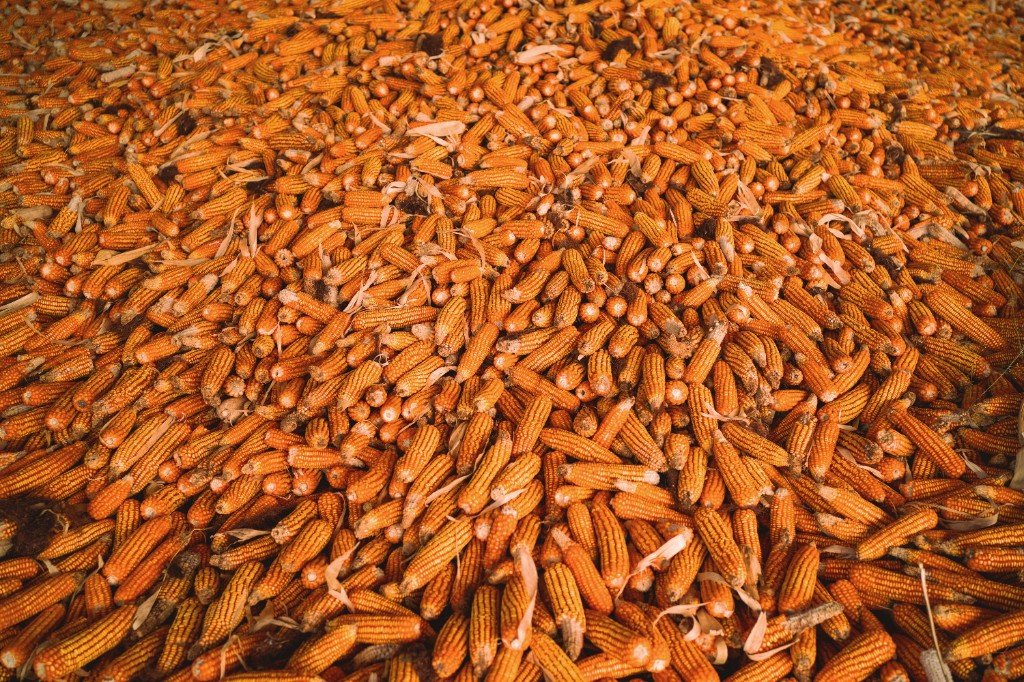
Maize is one of Zimbabwe’s most important agricultural commodities. It feeds households, supplies millers, supports stockfeed producers, and keeps rural and urban supply chains moving.
For farmers, traders, millers, and food distributors, getting maize from the field to the right destination on time is just as important as growing or buying the crop itself. At Wyvern Freight, maize transport covers route planning, trailer selection, product protection, documentation, timing, border coordination, and safe delivery.
Why maize transport needs proper planning
Maize is a bulk commodity, which means transport costs can quickly affect the final price. A small delay at a loading point, a poor trailer choice, wet cargo, contamination, or a wrong route can cause serious financial losses.
Good maize logistics should cover
- Clean trailers to prevent contamination.
- Correct loading and weight distribution.
- Reliable tarpaulins or covered trailers for rain and dust protection.
- Fast loading and offloading at farms, silos, depots, and mills.
- Route planning based on road condition, distance, border requirements, and customer deadlines.
- Proper documentation for local and cross-border movements.
Zimbabwe’s maize movement can be grouped into three main route categories: inbound routes, outbound routes, and local domestic routes.
Regional grain into Zimbabwe
Border planning, customs clearance and inland routing from South Africa, Zambia, Mozambique and Botswana.
Farm, depot, silo and mill
Daily domestic maize movements across production districts, processing centres and storage points.
Export-linked corridors
Permit-ready cargo moving toward Beira, Beitbridge, Chirundu, Plumtree and regional markets.
Local route
Border post
City / hub
Inbound maize routes into Zimbabwe
Inbound maize transport refers to maize coming into Zimbabwe from neighbouring countries or regional supply markets. This usually happens when millers, grain traders, stockfeed producers, or national supply programmes need extra grain to support local demand.
South Africa to Zimbabwe via Beitbridge
The Beitbridge route is one of the most important inbound freight routes for Zimbabwe. Maize and other agricultural commodities from South Africa can move north through Musina and enter Zimbabwe at Beitbridge, then continue toward Masvingo, Chivhu, Harare, Gweru, Bulawayo, and other inland markets.
Because Beitbridge is a major border crossing, transport planning must include customs clearance, queue management, border documentation, and driver coordination.
Zambia to Zimbabwe via Chirundu
The Chirundu route is important for maize and grain movements from Zambia into northern Zimbabwe. Loads entering through Chirundu can move through Makuti, Karoi, Chinhoyi, and Harare, or connect further south and east depending on the customer’s destination.
Mozambique to Zimbabwe via Forbes/Machipanda
The Forbes Border Post near Mutare connects Zimbabwe to Mozambique through the Beira Corridor. For maize logistics, it can support inbound cargo from port-linked supply chains, outbound agricultural exports, and regional transit cargo.
Botswana to Zimbabwe via Plumtree
The Plumtree route connects Botswana to Bulawayo and the wider western Zimbabwe market. Maize entering through Plumtree can serve Bulawayo, Matabeleland South, Matabeleland North, Midlands, and routes continuing east toward Gweru, Kwekwe, Kadoma, and Harare.
Other regional entry points
Depending on the origin and customer requirement, maize and related grain cargo may also move through routes connected to Victoria Falls, Kazungula, Nyamapanda, or Sango. These routes are more specific to the origin country, destination, and border requirements, but they remain important in regional freight planning.
Local maize routes within Zimbabwe
Local maize transport is the movement of maize from farms, collection points, and rural depots to silos, millers, stockfeed plants, wholesalers, and retail distribution centres. This is the daily backbone of maize logistics in Zimbabwe.
Mashonaland West
Common routes include movements from Chinhoyi, Banket, Karoi, Kariba, Chegutu, and surrounding farming districts into Harare, Kadoma, Norton, and GMB or private storage facilities.
Mashonaland Central
Maize from Bindura, Mazowe, Guruve, Mvurwi, and Mount Darwin can move toward Harare, Chinhoyi, and other storage or milling points. These routes require flexible trucks that can handle farm-access roads as well as main highways.
Mashonaland East
Marondera, Murehwa, Mutoko, Wedza, and surrounding districts commonly connect to Harare, Ruwa, Norton, and other processing centres. Because Harare is a major consumption and milling market, this region is important for short- and medium-distance haulage.
Manicaland
Manicaland routes include maize movement from Rusape, Mutare, Nyazura, Chipinge, and surrounding farming areas. Depending on the customer, cargo may move to Mutare, Harare, Marondera, or toward Forbes for corridor-linked freight.
Midlands
The Midlands region is central to Zimbabwe’s road network. Maize can move from Gweru, Kwekwe, Mvuma, Shurugwi, Gokwe, and surrounding areas to Harare, Bulawayo, Masvingo, and local depots.
Masvingo and Matabeleland
Masvingo maize routes connect areas such as Masvingo, Chiredzi, Triangle, and Mwenezi to local storage centres, Harare, Bulawayo, and Beitbridge-linked corridors. In Matabeleland, maize movement often connects rural collection points with Bulawayo, Plumtree, Hwange, Victoria Falls, Gwanda, Beitbridge, and surrounding districts.
Outbound maize routes from Zimbabwe
Outbound maize transport refers to maize moving from Zimbabwe to another country or from local production areas to export-linked corridors. While export movements depend on national supply, permits, and market conditions, logistics teams must be ready when regional opportunities arise.
- Zimbabwe to Mozambique via Forbes/Beira Corridor: A natural outbound corridor for cargo moving toward Beira and regional markets.
- Zimbabwe to South Africa via Beitbridge: Supports outbound agricultural cargo, return loads, packaging materials, stockfeed ingredients, and related movements.
- Zimbabwe to Zambia via Chirundu: Connects Zimbabwe to Zambia and wider central African markets.
- Zimbabwe to Botswana via Plumtree: Supports westbound cargo into Botswana and wider regional distribution networks.
The best trailer for maize transportation
The best trailer for maize depends on the loading point, offloading point, road conditions, and whether the maize is bagged or loose bulk grain.
Covered side tipper or grain side tipper
For most bulk maize transport in Zimbabwe and the region, a covered side tipper or grain-ready side tipper is one of the best options. It is suitable for loose maize, offers fast offloading, and works well at farms, depots, silos, and processing facilities.
A maize side tipper should have
- Strong body construction.
- A clean interior with no chemical, coal, fertiliser, or mineral contamination.
- A reliable hydraulic tipping system.
- A proper tarpaulin or cover system.
- Good sealing to reduce spillage.
- Safe load distribution and legal axle-load compliance.
- Easy cleaning before every grain load.
Other trailer options
A hopper bottom trailer is excellent for loose grain where loading and receiving points are designed for bottom discharge. A flat deck trailer can be used for bagged maize if the cargo is stacked, secured, and covered properly. A walking floor trailer may suit some bulk commodities, but for maize in Zimbabwe, side tippers and grain trailers are usually more practical.
Wyvern Freight’s recommendation
For most Zimbabwe maize movements, Wyvern Freight recommends using a clean, covered, grain-ready side tipper or bulk grain trailer. This option gives the best balance of capacity, offloading speed, route flexibility, and product protection.
The best maize movement starts with the right route, the right trailer, and a freight team that understands timing from farm gate to final delivery.
Wyvern Freight
Why choose Wyvern Freight for maize transport?
Maize transport needs reliability. Farmers need trucks when the crop is ready. Millers need consistent supply. Traders need predictable delivery times. Buyers need cargo to arrive clean, dry, and complete.
- Local and cross-border route planning.
- Reliable truck allocation.
- Trailer selection based on cargo type.
- Farm, depot, silo, and mill deliveries.
- Border route coordination.
- Load monitoring and delivery updates.
- Professional handling of bulk agricultural cargo.
Conclusion
Maize transportation is a critical part of Zimbabwe’s food and agriculture supply chain. The best results come from matching the right route with the right trailer and the right freight partner.
Whether you are moving maize inbound into Zimbabwe, outbound to regional markets, or locally from farms to millers and depots, Wyvern Freight provides practical transport solutions built around safety, speed, and reliability.
RELATED POSTS
View all

Farm Mechanisation Transport in Zimbabwe: Local, Inbound and Outbound Route Planning
June 15, 2026 | by Wyvernfreight

Soya Bean Production Transport in Zimbabwe: Local, Inbound and Outbound Route Planning
June 15, 2026 | by Wyvernfreight
Crop Production and Agricultural Transport in Zimbabwe: Local, Inbound and Outbound Route Planning
June 15, 2026 | by Wyvernfreight