

What Is Logistics? A Complete Guide for Businesses Moving Cargo Across Southern Africa
June 15, 2026 | by Wyvernfreight
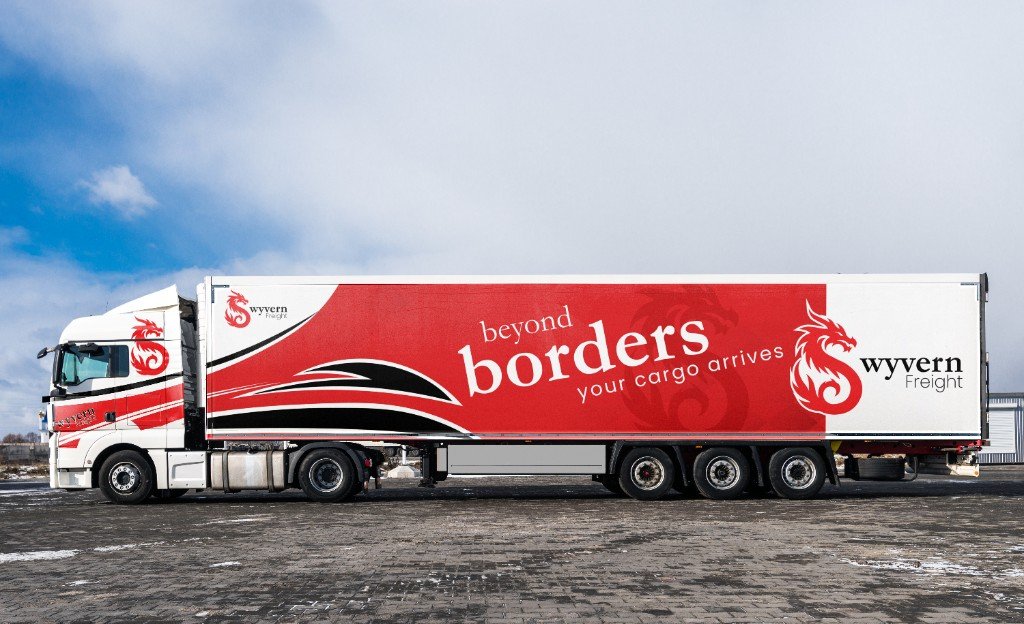
Logistics is the planning, coordination, movement, storage, and delivery of goods from one location to another. It is the system that makes sure cargo is collected, handled, documented, transported, tracked, and delivered safely.
For businesses, logistics is not just about trucks on the road. It includes route planning, supplier coordination, warehousing, customs documentation, cargo handling, delivery scheduling, and communication between everyone involved in the shipment.
At Wyvern Freight, logistics means helping businesses move cargo with more control, less confusion, and better visibility from collection to final delivery. Whether goods are moving locally, across cities, across borders, or through major Southern African trade corridors, proper logistics planning helps reduce delays, protect cargo, control costs, and keep customers informed.
What Does Logistics Mean?
Logistics is the practical movement of goods through a planned process. It connects suppliers, warehouses, transporters, customs teams, businesses, and customers.
A strong logistics process answers important questions before cargo moves:
- What is being moved?
- Where is it being collected?
- Where is it going?
- What documents are required?
- What vehicle or trailer is needed?
- Is the cargo standard, fragile, high-value, oversized, or time-sensitive?
- Does it need customs clearance?
- Who is responsible at each stage?
- How will the shipment be tracked and confirmed?
When logistics is handled properly, goods move with fewer delays and fewer surprises. When logistics is handled poorly, businesses can face late deliveries, missing documents, damaged cargo, border delays, unhappy customers, and unnecessary costs.
Why Logistics Matters in Business
Every business that buys, sells, imports, exports, distributes, or stores products depends on logistics.
- A retailer needs stock to arrive before shelves run empty.
- A manufacturer needs raw materials before production stops.
- A construction company needs equipment and materials delivered to site on time.
- A mining supplier needs heavy cargo moved safely and correctly.
- An online seller needs customer orders delivered quickly and reliably.
- An importer needs documents, transport, customs clearance, and delivery aligned.
Good logistics helps businesses stay reliable. It protects cash flow, supports customer trust, and keeps operations moving.
In many industries, logistics is the difference between winning a repeat customer and losing one. A product may be good, but if it arrives late, damaged, undocumented, or with poor communication, the customer experience suffers.
Logistics Is More Than Transport
Many people think logistics only means transport, but transport is only one part of the logistics process.
Transport is the physical movement of goods. Logistics is the full planning and coordination behind that movement.
A logistics provider must think about collection times, cargo type, route planning, vehicle selection, loading requirements, customs documentation, delivery windows, tracking, communication, and proof of delivery.
For example, moving cargo from Johannesburg to Harare is not only about finding a truck. The shipment may require correct paperwork, border planning, customs clearance, insurance considerations, suitable packaging, reliable driver communication, and delivery coordination at the final destination.
This is why businesses need logistics partners that understand both the movement and the process behind the movement.
What Is Logistics Management?
Logistics management is the control of how goods move from origin to destination. It involves planning, organizing, monitoring, and improving the full cargo movement process.
The goal of logistics management is to get:
- The right cargo
- To the right destination
- At the right time
- In the right condition
- With the right documents
- Using the right transport solution
- At the right cost
When all of these are managed properly, businesses reduce risk and improve reliability.
At Wyvern Freight, logistics management is built around practical coordination. That means understanding the cargo, choosing the correct transport option, preparing the movement properly, communicating clearly, and helping clients avoid unnecessary delays.
Logistics vs Supply Chain Management
Logistics and supply chain management are connected, but they are not exactly the same.
Supply chain management is the bigger picture. It includes sourcing, suppliers, purchasing, production, inventory, distribution, customer demand, and long-term supply planning.
Logistics focuses on the movement, storage, handling, and delivery of goods inside that wider supply chain.
In simple terms, supply chain management looks at the full journey of a product, while logistics manages how goods physically and operationally move through that journey.
A business can have a strong product and good suppliers, but if logistics is weak, the customer may still experience delays, stock shortages, poor communication, and high costs.
Main Types of Logistics
Different businesses need different logistics solutions. The right solution depends on the cargo, distance, urgency, destination, documentation, and handling requirements.
1. Road Freight Logistics
Road freight logistics involves moving goods by truck, van, rigid vehicle, abnormal-load vehicle, flatbed trailer, tautliner, refrigerated vehicle, or other road transport equipment.
This is one of the most important logistics services across Southern Africa because road transport connects cities, warehouses, factories, farms, mines, ports, and border posts.
Road freight can support:
- Full truckload cargo
- Less-than-truckload cargo
- Consolidated cargo
- Palletized goods
- Bulk goods
- Industrial materials
- Construction supplies
- Retail stock
- Mining equipment and parts
- Cross-border shipments
The right road freight solution depends on cargo size, weight, urgency, loading method, and delivery location.
2. Cross-Border Logistics
Cross-border logistics involves moving cargo between countries. This requires more planning than domestic transport because customs, border procedures, permits, documentation, and transit times must be managed correctly.
For businesses moving cargo across Southern Africa, cross-border logistics may include:
- Export documentation
- Import documentation
- Customs clearance support
- Commercial invoices
- Packing lists
- Road manifests
- Border coordination
- Transit planning
- Delivery scheduling
- Communication with clearing agents and transporters
Poor border planning can cause expensive delays. A shipment may be ready to move, but if documents are incomplete or incorrect, the cargo can be delayed at the border.
Wyvern Freight supports clients by focusing on coordination, documentation readiness, and practical movement planning.
3. Freight Logistics
Freight logistics focuses on moving larger commercial shipments. These shipments may be domestic, regional, or international.
Freight logistics can include road freight, sea freight coordination, air freight coordination, customs brokerage support, and final delivery planning.
Businesses use freight logistics when they need cargo moved in a structured and professional way, especially where timing, value, documentation, and reliability matter.
4. Project Cargo Logistics
Project cargo logistics involves moving large, heavy, high-value, oversized, or abnormal cargo. This may include machinery, generators, transformers, mining equipment, steel structures, construction equipment, and industrial components.
Project cargo requires detailed planning because the cargo may not fit standard transport equipment or normal routes.
Project cargo planning may include:
- Cargo measurements
- Weight checks
- Trailer selection
- Lifting and loading planning
- Route surveys
- Escort vehicle planning
- Permit coordination
- Abnormal-load requirements
- Crane or forklift planning
- Delivery site access checks
- Risk planning
For project cargo, small mistakes can become expensive. The correct planning must happen before the cargo moves.
5. Warehousing and Storage Logistics
Warehousing logistics covers the receiving, storing, organizing, picking, packing, and dispatching of goods.
Even when Wyvern Freight is not operating the warehouse directly, proper warehouse coordination is important for collection and delivery planning.
Warehouse logistics may involve:
- Stock receiving
- Cargo staging
- Temporary storage
- Picking and packing
- Loading bay coordination
- Pallet handling
- Dispatch scheduling
- Inventory checks
- Proof of collection
- Proof of delivery
Strong warehouse coordination reduces waiting time, loading delays, incorrect dispatches, and customer complaints.
6. E-Commerce and Parcel Logistics
E-commerce logistics is focused on moving customer orders from seller to buyer. It often requires fast dispatch, clear tracking, proof of delivery, and reliable last-mile delivery.
For online sellers, logistics directly affects customer trust. Customers expect clear communication, fast delivery, and safe handling.
E-commerce logistics may include:
- Order collection
- Sorting
- Packaging
- City delivery
- Same-day delivery
- Next-day delivery
- Return handling
- Proof of delivery
- Customer delivery updates
For high-value goods, businesses may also need extra checks, delivery confirmation, and safer delivery options.
7. Third-Party Logistics Coordination
Third-party logistics, often called 3PL, allows businesses to use external logistics providers instead of managing everything internally.
This helps businesses avoid the cost of owning trucks, hiring drivers, managing routes, and building logistics infrastructure from scratch.
A good logistics partner can help coordinate transport, warehousing, documentation, carrier selection, delivery planning, and reporting.
For many businesses, outsourcing logistics gives them more flexibility and allows them to focus on sales, operations, and customer service.
Key Logistics Processes
A proper logistics operation is made up of several connected processes. If one stage fails, the full shipment can be affected.
1. Planning
Every successful shipment starts with planning. This includes understanding the cargo, destination, route, timing, documentation, loading requirements, and delivery expectations. Planning helps answer important questions before problems happen.
2. Procurement and Supplier Coordination
For businesses that source goods from suppliers, logistics starts before the cargo is collected. Supplier readiness, packaging, documents, and collection windows must be coordinated.
If the supplier is not ready, the transporter waits. If documents are wrong, the shipment may be delayed. If packaging is poor, cargo may be damaged.
3. Collection
Collection must be scheduled properly. The transporter needs the correct address, contact person, cargo details, loading instructions, and documents.
Collection delays often happen because information is incomplete or because the cargo is not ready when the vehicle arrives.
4. Cargo Handling
Cargo handling includes loading, securing, protecting, and preparing goods for transport.
Different cargo needs different handling. Fragile goods, high-value goods, oversized cargo, food products, industrial equipment, and palletized stock all require different planning.
5. Transport
Transport is the physical movement of cargo. This stage requires driver communication, route planning, tracking, fuel planning, safety checks, and delivery coordination.
For cross-border transport, this stage also includes border timing and documentation checks.
6. Customs Clearance Support
For international and regional cargo movement, customs clearance is one of the most important stages.
Customs delays can happen because of incorrect invoices, missing packing lists, wrong tariff codes, incomplete importer details, unclear cargo descriptions, or poor coordination between parties.
Strong logistics planning helps ensure that documents are prepared before the shipment reaches the border.
7. Delivery
Delivery is where the customer experience is completed. The receiving party must be ready, the address must be correct, and any offloading requirements must be arranged.
For some cargo, delivery may require forklifts, cranes, site access approval, booking slots, or security clearance.
8. Proof of Delivery
Proof of delivery confirms that the shipment reached the destination. It protects both the client and the logistics provider by showing that the cargo was delivered.
A good logistics process should include proper delivery confirmation, signed documents, photos where needed, and clear reporting back to the client.
Common Logistics Challenges
Logistics can become complicated when many people, documents, and movements are involved. Common challenges include:
- Late collections
- Poor communication
- Wrong cargo details
- Missing customs documents
- Border delays
- Vehicle breakdowns
- Poor packaging
- Incorrect addresses
- Failed delivery attempts
- Limited cargo visibility
- Unplanned storage costs
- Poor supplier coordination
- Incorrect vehicle selection
- Overweight or oversized cargo issues
Most logistics problems are preventable when planning and communication are handled properly from the beginning.
How Wyvern Freight Helps Businesses
Wyvern Freight supports businesses that need practical, reliable, and well-coordinated freight movement.
Our role is to help clients move cargo with better planning, better communication, and better control. We work with transporters, drivers, clearing agents, suppliers, warehouses, and receiving points to help shipments move smoothly.
Wyvern Freight can support:
- Local road freight
- Cross-border road freight
- Freight coordination
- Project cargo planning
- Customs clearance support
- Transport vendor coordination
- Delivery scheduling
- Cargo movement planning
- Proof of delivery follow-up
- Regional logistics support
Our focus is simple: move cargo professionally, communicate clearly, and help clients avoid unnecessary delays.
Why Choose a Logistics Partner Instead of Handling Everything Yourself?
Some businesses try to manage logistics alone. This can work for small shipments, but as cargo volume, value, distance, and complexity increase, logistics becomes harder to manage without support.
A logistics partner can help with:
- Finding suitable transport
- Coordinating collection and delivery
- Checking documentation requirements
- Planning routes
- Managing communication
- Reducing delays
- Supporting cross-border movement
- Handling special cargo requirements
- Keeping clients updated
Outsourcing logistics does not mean losing control. When done correctly, it gives the business more control because the process becomes more structured.
How to Improve Your Logistics Strategy
Businesses can improve logistics by focusing on planning, communication, visibility, and documentation.
Know Your Cargo
Before requesting transport, understand the cargo clearly. Know the weight, dimensions, quantity, packaging type, value, handling needs, and destination. Accurate cargo information helps select the right vehicle and avoid delays.
Prepare Documents Early
For cross-border cargo, documents should be checked before the shipment moves. Waiting until the truck reaches the border can create costly delays.
Choose the Right Transport Solution
Not every shipment needs the same vehicle. The wrong vehicle can increase costs, create loading problems, or delay delivery.
Communicate Clearly
Clear communication between the client, supplier, transporter, driver, customs team, and receiver is essential.
Track Shipments Properly
Clients need visibility. Even when delays happen, clear updates help businesses make better decisions.
Work With Reliable Partners
The cheapest logistics option is not always the best option. Reliability, communication, safety, and documentation support are important.
Logistics for Southern African Trade
Southern Africa depends heavily on road freight and cross-border logistics. Businesses move goods between South Africa, Zimbabwe, Zambia, Botswana, Mozambique, Namibia, Malawi, and other regional markets.
This makes logistics planning especially important. Border procedures, road conditions, customs requirements, cargo security, and delivery distances can all affect the shipment.
A strong logistics partner must understand the regional environment and the practical challenges that come with moving cargo across borders.
Final Thoughts
Logistics is the backbone of business movement. It connects suppliers to buyers, warehouses to customers, and businesses to regional markets.
Good logistics is not only about moving goods. It is about planning correctly, communicating clearly, protecting cargo, preparing documents, managing timing, and delivering with confidence.
At Wyvern Freight, we help businesses move cargo with structure, reliability, and practical freight coordination across local and cross-border routes.
If your business needs road freight, cross-border logistics, project cargo support, customs clearance coordination, or reliable cargo movement planning, Wyvern Freight is ready to help.
Good logistics is not only about moving goods. It is about planning correctly, protecting cargo, and delivering with confidence.
Wyvern Freight