Packaging & pallet review
Check pack strength, pallet integrity, stack configuration, and handling requirements before collection.
Palletised drinks, chilled products, and containerised beverage cargo moved across producers, warehouses, retailers, and regional markets.
From the first pallet review to the final retail handover, beverage transport needs the right conditions, the right equipment, and a plan that respects every delivery window.
We connect producers, warehouses, distributors, retailers, ports, and regional markets with transport built around product protection and reliable replenishment.
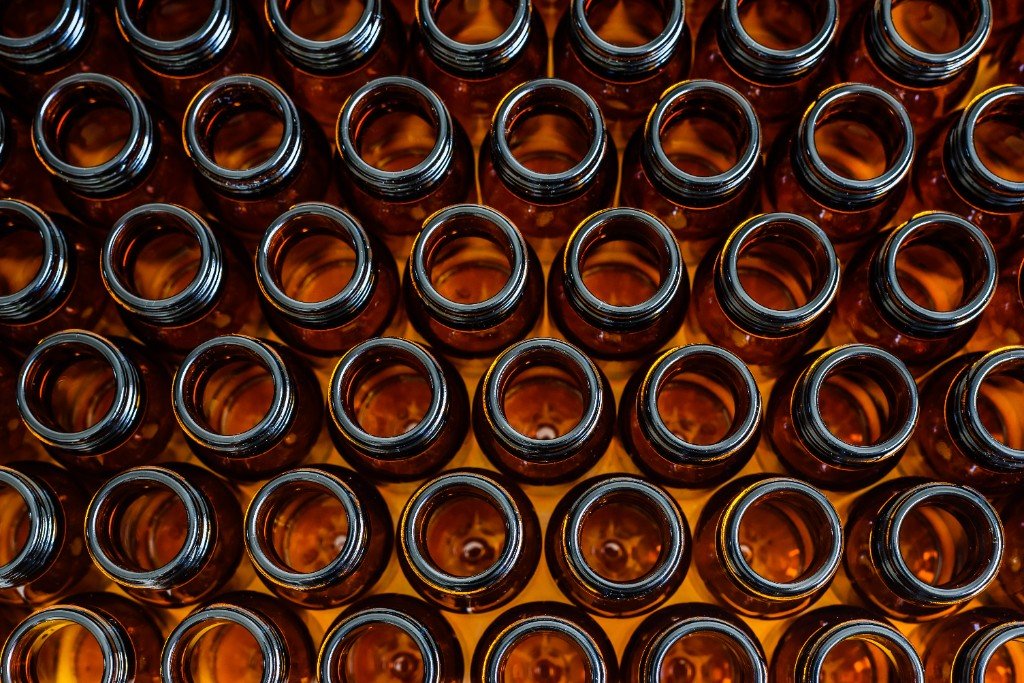
We plan the details that keep beverage stock secure, in condition, and ready for the next warehouse, shelf, or customer.
Check pack strength, pallet integrity, stack configuration, and handling requirements before collection.
Set the appropriate conditions and touchpoints to preserve product quality from pickup to delivery.
Match vehicle, route, loading method, and delivery timing to the actual supply schedule.
Deliver complete, on specification, and ready for the warehouse, distributor, retailer, or customer.
Our approach supports the product formats, temperature needs, routes, and delivery environments that keep beverage supply moving.
Bottled water, soft drinks, juices, beer, cartons, and other finished beverage products.
Temperature-sensitive drinks planned with the appropriate cold-chain handling.
Packaging inputs and return loads managed as part of the wider supply cycle.
From production and depots through to distributors, stores, and regional markets.
Share the product type, packaging, quantity, collection point, delivery plan, required date, and any temperature or handling requirements.
Beverage transport often requires trailers that protect cargo, support fast loading and unloading, and handle palletised or temperature-sensitive goods. The right trailer depends on product type, packaging, temperature needs, destination, volume, and route.
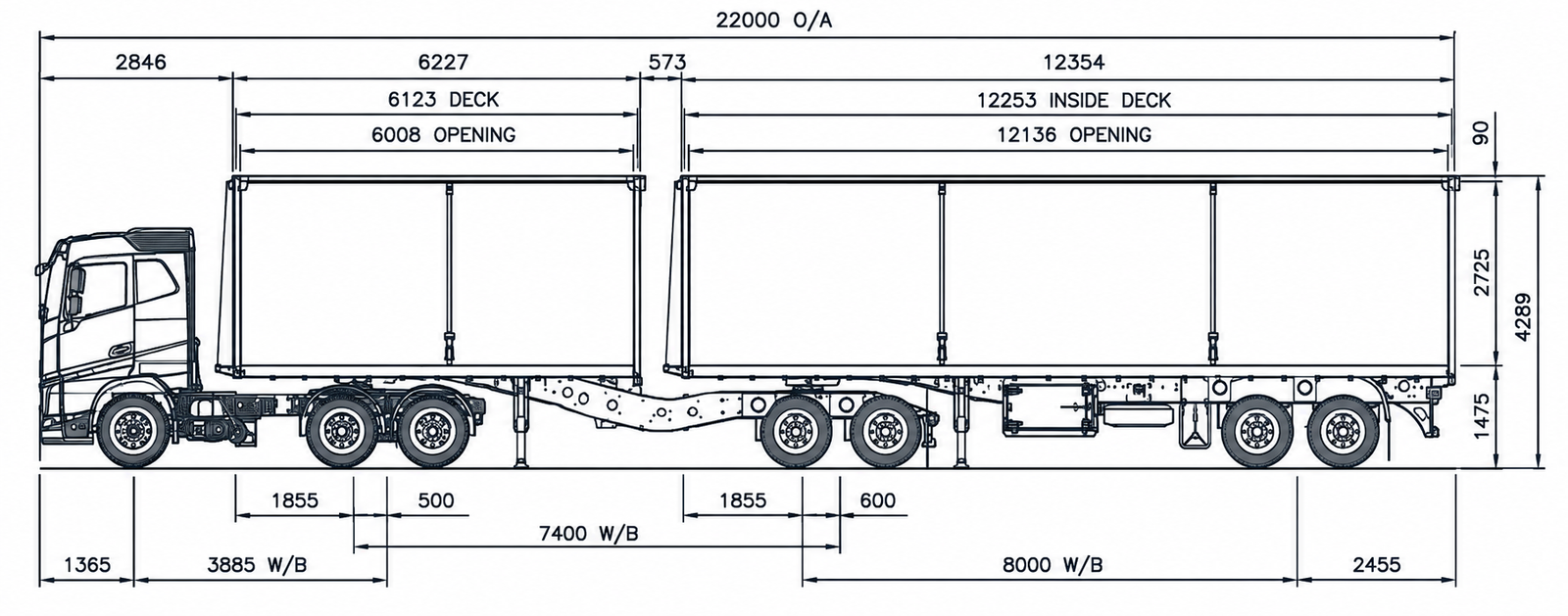
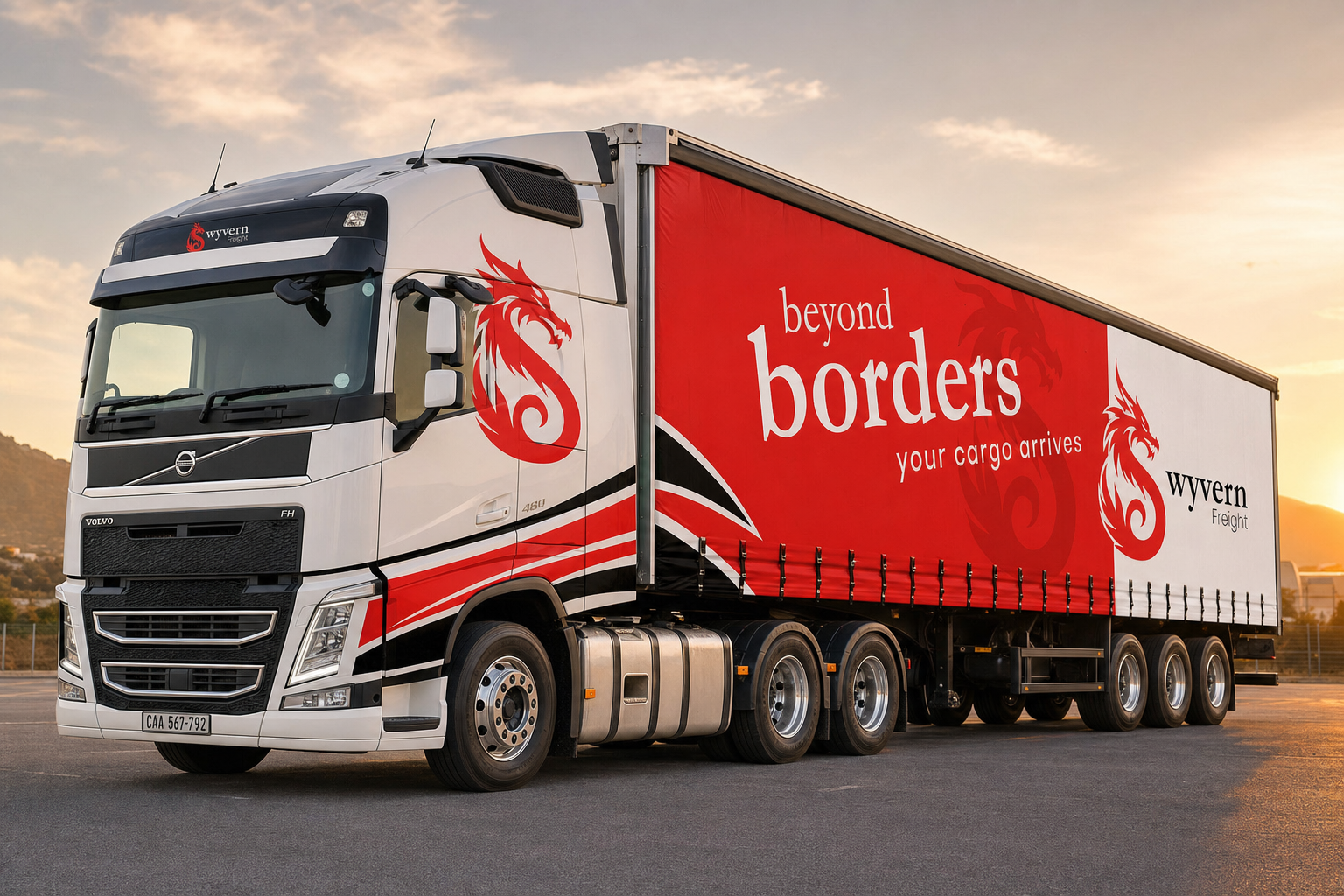
Sliding curtain trailers are commonly used for palletised drinks, bottled water, soft drinks, beer, packaged beverages, cartons, cans, empty bottles, and packaging materials. Their curtain-sided design allows side loading and unloading, which is useful for factories, warehouses, depots, and distribution centres.
Best suited for palletised, packaged, or general beverage cargo that needs protection, fast access, and efficient distribution.
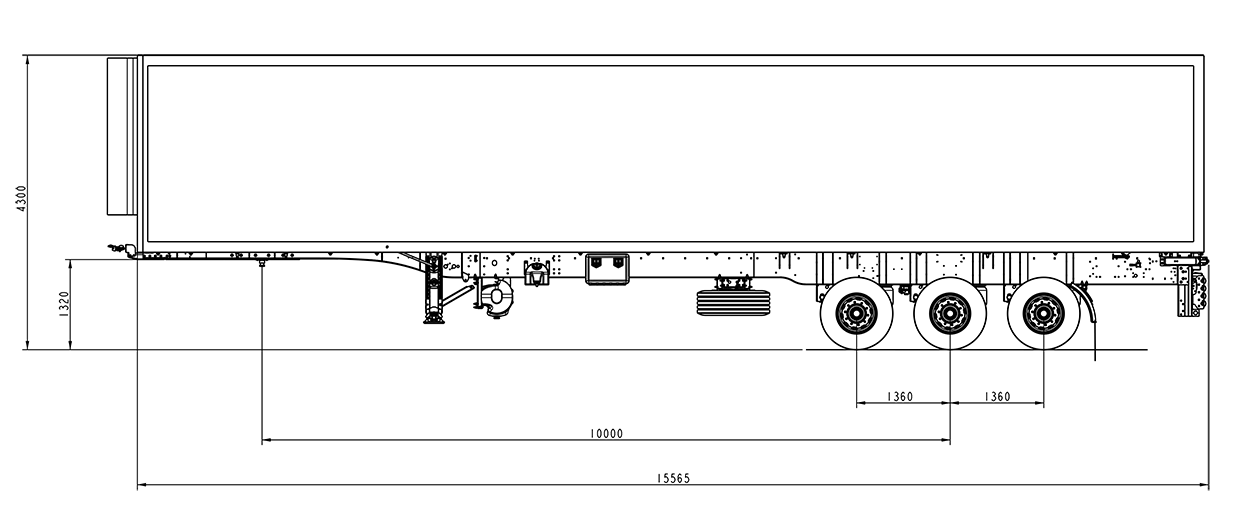
Refrigerated trailers are used for temperature-sensitive beverages such as dairy drinks, certain juices, chilled products, and products that require controlled transport conditions. These trailers help maintain product quality where temperature control is required.
Best suited for beverage products that require controlled temperature, chilled delivery, or cold chain protection.

Container trailers are commonly used for imported or exported beverage products and packaging materials packed into shipping containers. They support movement between ports, warehouses, factories, border points, and regional markets.
Best suited for containerised beverage cargo, imported stock, packaging materials, and export shipments.
Beverage cargo often moves between factories, warehouses, distributors, retailers, ports, border points, and regional markets. These routes support local distribution, imports, exports, retail supply, and cross-border beverage movement.
Factories → Warehouses → Distributors → Retailers / Hospitality
Local beverage routes connect bottling plants, breweries, dairies, juice producers, warehouses, wholesalers, supermarkets, restaurants, hotels, service stations, and informal retail markets , important for daily and weekly stock replenishment across Harare, Bulawayo, Gweru, Mutare, Masvingo, Victoria Falls, Beitbridge, and other commercial centres.
Johannesburg → Beitbridge → Harare → Lusaka → Copperbelt
Supports beverage imports, packaging movement, FMCG distribution, retail supply, and cross-border movement between South Africa, Zimbabwe, Zambia, and the Copperbelt. Useful for finished beverages, packaging materials, ingredients, machinery, and regional distribution.
Beira Port → Mutare → Harare
Connects Zimbabwe to the Port of Beira in Mozambique. Useful for imported beverages, packaging materials, ingredients, containers, machinery, and port-linked supply chains serving Zimbabwe and surrounding markets.
Johannesburg / Gauteng → Maputo Port
Connects South Africa's industrial and consumer markets with Mozambique's Port of Maputo. Supports beverage cargo, FMCG distribution, packaging movement, imports, exports, and regional retail supply.
Nacala Port → Malawi / Zambia / Mozambique
Supports regional cargo movement through Mozambique, Malawi, and Zambia. Can support beverage imports, packaging materials, containerised cargo, FMCG movement, and regional distribution.
Beverage transport can support bottled water, soft drinks, juices, dairy drinks, beer, wines, spirits, concentrates, cans, cartons, empty bottles, packaging materials, palletised goods, imported stock, and containerised cargo.
Sliding curtain trailers are commonly used for palletised and packaged beverages, refrigerated trailers are used for temperature-sensitive beverages, and container or skeletal trailers are used for imported or exported containerised cargo.
Sliding curtain trailers are suitable for palletised bottled water, soft drinks, beer, juices, cans, cartons, and packaged beverage products because they allow flexible loading and unloading while protecting cargo.
Refrigerated trailers are suitable for chilled drinks, dairy beverages, certain juices, and other temperature-sensitive products that require controlled transport conditions.
Container or skeletal trailers are suitable for beverage products, packaging materials, bottles, cans, and ingredients that arrive or move in shipping containers.
Yes. Beverage cargo may require attention to palletisation, product fragility, temperature control, cargo securing, route timing, delivery windows, stock rotation, and handling requirements.
Yes. Local distribution can support movement from factories, warehouses, and depots to wholesalers, supermarkets, retailers, hotels, restaurants, service stations, and regional distributors.
Yes. Beverage cargo can move through corridors connecting Zimbabwe with South Africa, Mozambique, Zambia, Botswana, Malawi, and other SADC markets, depending on product type, documentation, packaging, and route requirements.
Common beverage transport corridors include local Zimbabwe distribution routes, the North–South Corridor, Beira Corridor, Maputo Corridor, and Nacala Corridor. These support FMCG distribution, imports, exports, packaging supply, and regional trade.
Yes. Inbound movement can include imported beverages, packaging materials, bottles, cans, ingredients, concentrates, and machinery. Outbound movement can include finished beverages, empty packaging, export cargo, and regional distributor supply.
Important details include product type, packaging type, pallet count, weight, dimensions, temperature requirement, loading point, delivery point, delivery window, route, handling instructions, and documentation requirements.


End-to-end freight, courier, warehousing, and cross-border support for every shipment.
Services