Cargo classification & packaging
Confirm the product type, packaging, quantity, and handling requirements before movement.

Bagged and bulk fertilizer, packaged and liquid chemicals, and regulated cargo moved across farms, factories, and regional corridors.
Transport support for manufacturers, importers, distributors, agricultural suppliers, mining suppliers, industrial operators, wholesalers, and agribusinesses across Zimbabwe and the wider SADC region.
From bagged and bulk fertilizer to packaged chemicals, drums, IBCs, containers, and industrial inputs, requirements depend on the cargo classification, packaging, route, and handling method.
Chemical and fertilizer movement can range from standard packaged goods to sensitive or regulated cargo. The correct plan begins with the product information.
Confirm the product type, packaging, quantity, and handling requirements before movement.
Check available records, route, site requirements, and applicable border or handling considerations.
Identify a practical vehicle and handling approach suited to the cargo and conditions.
Coordinate the loading point, delivery point, handover requirements, and proof of delivery.
Local and regional supply support links farms, factories, suppliers, warehouses, ports, distributors, industrial sites, and markets.
Fertilizer and agricultural inputs for depot, farm, warehouse, and regional supply.
Drums, IBCs, palletised products, cartons, and packaged industrial goods.
Water treatment, agricultural, mining, manufacturing, and industrial supply requirements.
Port-linked imports, warehouse distribution, containers, and regional supply corridors.
Share the product description, safety or product documentation available, packaging, quantity, loading point, delivery point, route, and any handling or timing requirements.
Chemicals and fertilizer transport often requires trailers that can protect cargo, support safe handling, and match packaging type. The right trailer depends on whether the cargo is bagged, palletised, containerised, liquid, dry bulk, regulated, or hazardous.
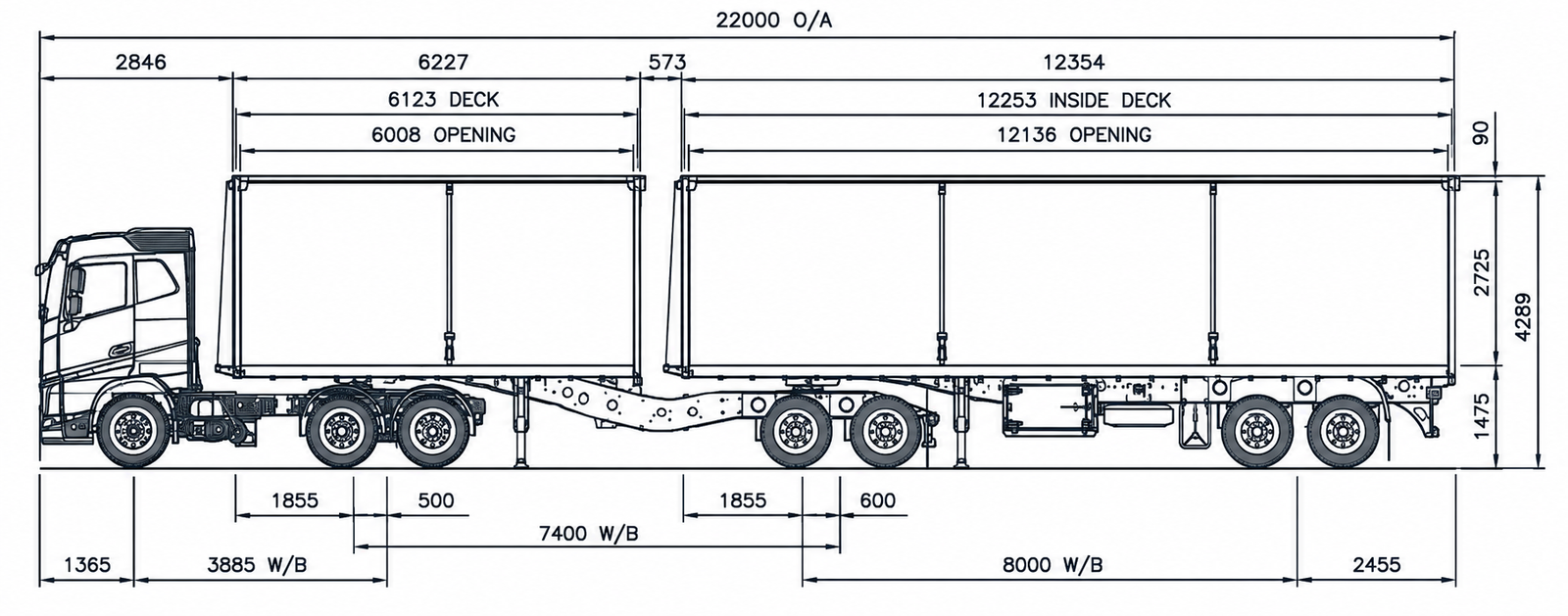
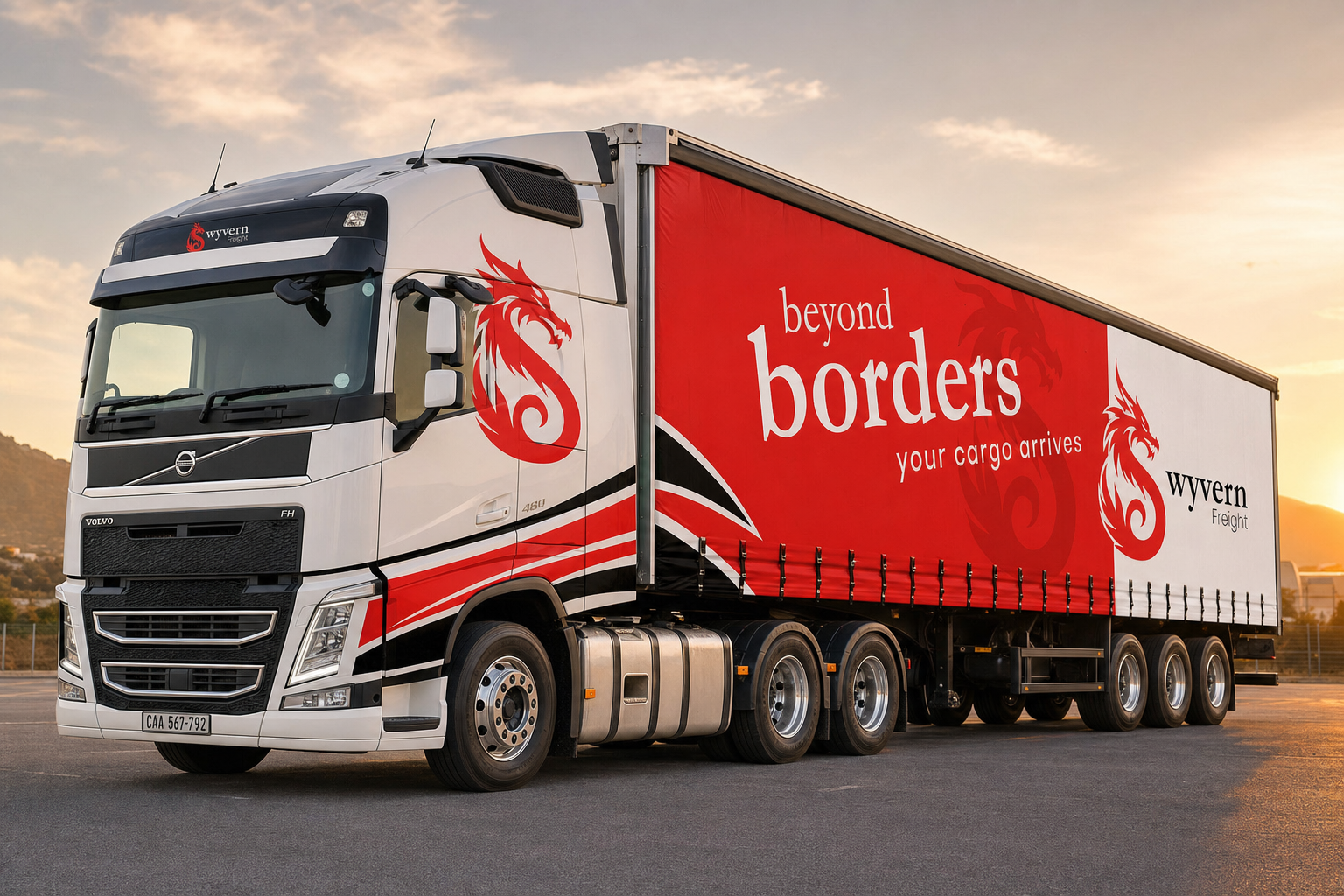
Sliding curtain trailers are commonly used for bagged fertilizer, palletised agricultural inputs, packaged chemicals, cartons, drums, and general industrial cargo. Their curtain-sided design allows easier side loading and unloading at warehouses, depots, farms, distribution centres, and industrial sites.
Best suited for packaged, bagged, or palletised fertilizer and chemical cargo that needs protection and flexible loading access.
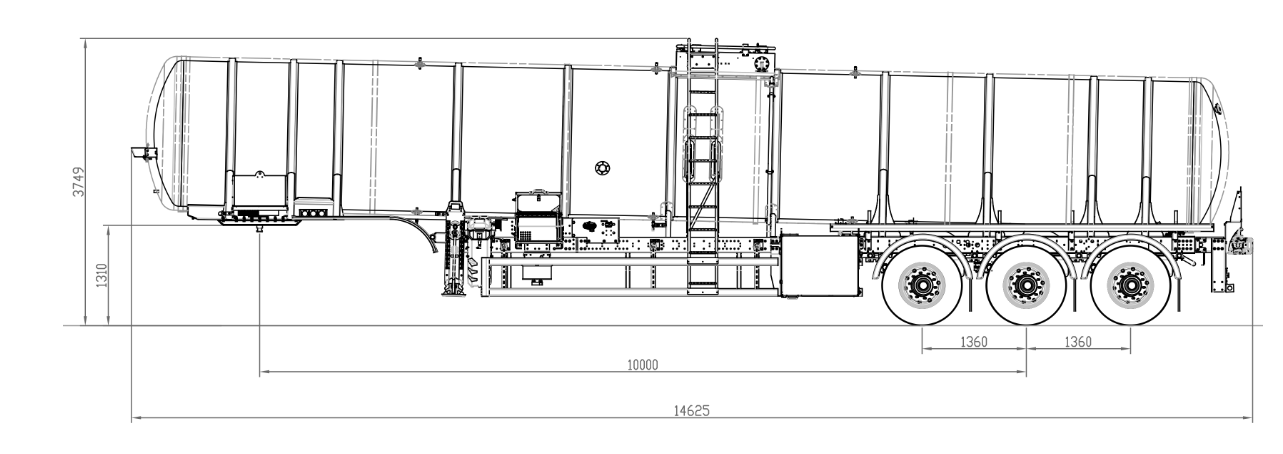
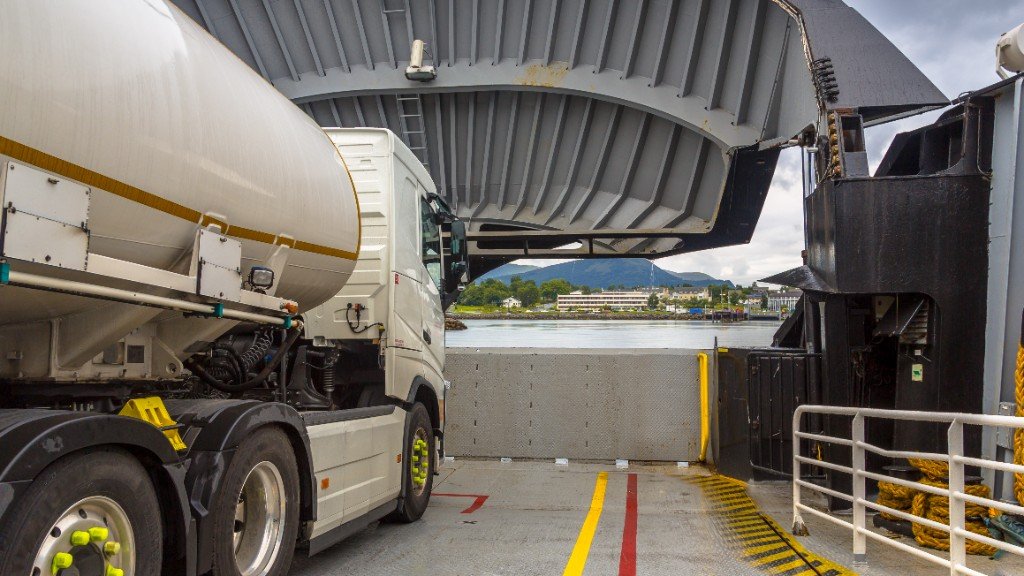
Designed for the safe and efficient transport of corrosive chemicals and liquid fertilizer products, this specialised tanker range provides application-specific construction, controlled discharge and dependable performance.
Stainless steel and mild-steel tank options are available to suit different products and compatibility requirements. Depending on the application, units can be insulated, heated or internally lined, with hydraulic or electric pumps fitted for efficient loading and unloading.
The range is suitable for hydrochloric acid, sodium hypochlorite solution, caustic soda, sulphuric acid, nitric acid, phosphoric acid and hot ammonium nitrate solution.
Best suited for liquid chemical cargo where the trailer, tank material, fittings, safety systems, and handling procedures match the product requirements.

Container trailers are commonly used for import and export movement where chemicals or fertilizers are packed into shipping containers. They support port-linked supply chains between factories, warehouses, farms, border points, dry ports, and seaports.
Best suited for containerised fertilizer, packaged chemicals, and regulated cargo moving through ports, borders, and regional trade corridors.
Chemicals and fertilizers often move through major port-linked, agricultural, industrial, and cross-border corridors. These routes support imports, distribution, farm supply, mining supply, industrial supply, and regional trade.
Beira Port → Mutare → Harare → Zimbabwe / Zambia / Malawi
One of the most important routes for fertilizer and chemical-related cargo moving into Zimbabwe and surrounding markets. It supports port-linked imports, agricultural inputs, industrial chemicals, fuel-related cargo, containerised freight, and regional distribution.
Johannesburg → Beitbridge → Harare → Lusaka → Copperbelt
Supports regional movement between South Africa, Zimbabwe, Zambia, and the Copperbelt. Useful for industrial chemicals, packaged goods, fertilizer, mining inputs, agricultural supplies, machinery, and regional distribution.
Johannesburg / Gauteng → Maputo Port
Connects South Africa's industrial regions with the Port of Maputo in Mozambique. Supports chemical cargo, fertilizer movement, industrial freight, imports, exports, and regional supply chains.
Nacala Port → Malawi / Zambia / Mozambique
Supports movement through Mozambique, Malawi, and Zambia, with access to the Port of Nacala. Can support fertilizer, agricultural inputs, industrial chemicals, containerised cargo, and regional import/export operations.
Warehouses → Farms → Mines → Factories → Distributors
Local routes connect fertilizer depots, chemical suppliers, warehouses, farms, mines, manufacturers, water treatment facilities, industrial sites, and distributors , supporting seasonal agricultural demand, industrial supply, and local market distribution.
Cargo may include bagged fertilizer, bulk fertilizer, agricultural inputs, packaged chemicals, industrial chemicals, water treatment chemicals, drums, IBCs, palletised goods, containers, and compatible liquid products.
Sliding curtain trailers are commonly used for bagged and palletised cargo, tanker trailers are used for compatible liquid chemicals, and container or skeletal trailers are used for containerised imports and exports.
Sliding curtain trailers are suitable for bagged fertilizer because they protect cargo while allowing flexible side loading and unloading at warehouses, farms, depots, and distribution centres.
Tanker trailers are suitable for liquid chemicals, provided the tank specification, fittings, safety systems, product compatibility, and handling procedures match the cargo requirements.
Container or skeletal trailers are suitable for imported fertilizer and packaged chemicals that arrive in shipping containers and need movement between ports, warehouses, borders, and customer sites.
Yes. Some chemicals and fertilizers may require cargo classification, safety data sheets, compatible packaging, permits, driver training, hazard labels, spill response planning, route checks, and proper documentation.
Yes. Local distribution can support movement from warehouses, depots, and suppliers to farms, cooperatives, distributors, agro-dealers, mines, factories, and industrial customers.
Yes. Cargo can move through regional corridors connecting Zimbabwe with South Africa, Mozambique, Zambia, Malawi, Botswana, and other SADC markets, depending on cargo type, documentation, packaging, and regulatory requirements.
Common corridors include the Beira Corridor, North–South Corridor, Maputo Corridor, and Nacala Corridor. These routes support port-linked imports, regional distribution, agricultural inputs, industrial chemicals, and cross-border trade.
Yes. Inbound movement can include imported fertilizer, chemicals, agricultural inputs, industrial raw materials, and containerised cargo. Outbound movement can include local distribution, regional supply, returned containers, packaged goods, and export cargo.
Important details include product name, cargo type, weight, packaging type, safety data sheet, hazard classification, loading point, delivery point, route, handling method, documentation, delivery timeline, and any special storage or transport requirements.


End-to-end freight, courier, warehousing, and cross-border support for every shipment.
Services