Product, packaging & temperature review
Confirm product requirements, temperature range, packaging, quantity, sensitivity, and handling controls.

Refrigerated and frozen cargo, pharmaceuticals, fresh produce, and reefer containers moved under controlled conditions.
Temperature-sensitive cargo depends on a chain of decisions that holds the required condition at every point—from packaging and loading through to the final cold store, pharmacy, retailer, facility, or customer.
We plan refrigerated movement around the product, temperature range, route duration, loading timing, monitoring, delivery window, and final storage environment.

We align the controls that protect sensitive cargo across the full movement: product condition, pre-cooling, route timing, equipment, monitoring, and final handover.
Confirm product requirements, temperature range, packaging, quantity, sensitivity, and handling controls.
Plan the right conditions before loading, then align route duration, delivery timing, and final receiving capacity.
Match the equipment, loading method, temperature monitoring, and door controls to the cargo.
Complete a controlled, timely delivery into the final storage or receiving environment.
Our planning supports the sensitive product categories, cold facilities, supply paths, and final delivery points that depend on temperature integrity.
Healthcare products planned around the appropriate condition, protection, and accountable delivery.
Food products supported with temperature-aware planning from collection to final receiving point.
Condition-sensitive cargo handled with the appropriate equipment, timing, and route controls.
Connected movement from supply points through to the final storage or receiving environment.
Send the product type, quantity, required temperature range, packaging, collection point, delivery point, required date, and any monitoring or handling requirements.
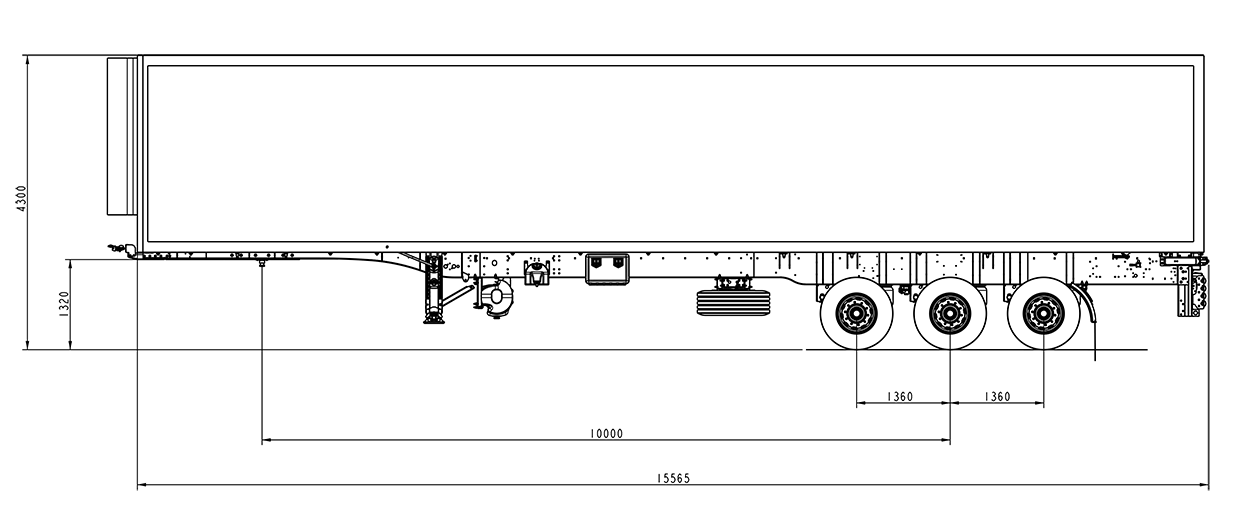
Refrigerated trailers are commonly used for chilled and temperature-sensitive products that require controlled conditions during transport. These trailers help maintain product quality across local and long-distance routes.
Best suited for chilled, fresh, medical, pharmaceutical, and temperature-sensitive cargo requiring controlled transport.

Container or skeletal trailers are commonly used for refrigerated or dry containerised cargo moving through ports, borders, warehouses, and distribution centres. Refrigerated containers can support imports and exports of temperature-sensitive goods.
Best suited for reefer containers, containerised cold-chain imports, exports, and port-linked deliveries.
Beira Port → Mutare → Harare → Cold Stores / Distribution Centres
Supports port-linked cold chain imports and exports moving between Mozambique and Zimbabwe. Can support refrigerated containers, food products, pharmaceutical cargo, agricultural exports, and temperature-sensitive goods.
Johannesburg / Durban / Gauteng → Beitbridge → Harare / Bulawayo
An important route for chilled foods, pharmaceuticals, beverages, frozen products, retail goods, medical cargo, and temperature-sensitive imports moving from South Africa into Zimbabwe.
Johannesburg → Beitbridge → Harare → Lusaka → Copperbelt
Supports cold chain movement between South Africa, Zimbabwe, Zambia, and the Copperbelt. Useful for pharmaceuticals, frozen foods, fresh produce, chilled beverages, dairy products, and regional retail distribution.
Johannesburg / Gauteng → Maputo Port
Links South Africa's industrial and consumer markets with the Port of Maputo. Can support refrigerated containers, frozen foods, fresh produce, beverages, pharmaceuticals, and regional cold-chain distribution.
Cold Stores → Retailers → Hospitals → Pharmacies → Food Service
Local cold chain routes connect cold stores, farms, packhouses, food processors, supermarkets, pharmacies, hospitals, laboratories, wholesalers, restaurants, hotels, NGOs, and distribution centres across Harare, Bulawayo, Gweru, Mutare, Masvingo, Victoria Falls, Beitbridge, and other towns.
Cold chain cargo may include vaccines, medicines, diagnostics, laboratory samples, dairy products, meat, poultry, seafood, frozen foods, fresh fruit, vegetables, flowers, chilled beverages, nutrition products, and other temperature-sensitive goods.
Refrigerated trailers are commonly used for chilled and temperature-sensitive cargo, freezer trailers are used for frozen cargo, insulated or enclosed trailers can support protected short-distance movement, and container or skeletal trailers are used for reefer containers and port-linked cold-chain cargo.
Refrigerated trailers are suitable for chilled foods, fresh produce, dairy, beverages, medicines, and other products that need controlled temperatures during movement.
Freezer trailers are suitable for frozen meat, seafood, poultry, frozen foods, and cargo that must remain frozen throughout transport.
Refrigerated trailers or validated cold-chain transport solutions are suitable for vaccines, medicines, diagnostics, and temperature-sensitive healthcare products, depending on the required temperature range and product handling instructions.
Container or skeletal trailers are suitable for moving refrigerated containers between ports, warehouses, cold stores, border points, and distribution centres.
Yes. Cold chain cargo may require temperature checks, pre-cooling, validated packaging, temperature monitoring, route timing, loading control, door-opening control, documentation, delivery scheduling, and backup planning.
Yes. Local routes can support deliveries from cold stores, farms, packhouses, warehouses, importers, and distributors to supermarkets, hospitals, pharmacies, restaurants, hotels, laboratories, wholesalers, and retailers.
Yes. Cold chain cargo can move through regional corridors connecting Zimbabwe with South Africa, Mozambique, Zambia, Botswana, Malawi, and other SADC markets, depending on cargo type, temperature requirements, documentation, and route conditions.
Common cold chain corridors include the Beira Corridor, South Africa-to-Beitbridge route, North–South Corridor, and Maputo Corridor. These routes support pharmaceuticals, food products, fresh produce, frozen cargo, chilled beverages, and reefer containers.
Important details include cargo type, required temperature range, packaging type, pallet count, weight, loading point, delivery point, route, delivery window, product sensitivity, monitoring requirements, documentation, and whether the cargo is chilled, frozen, pharmaceutical, or fresh produce.


End-to-end freight, courier, warehousing, and cross-border support for every shipment.
Services