Material & load profile
Assess the cargo, weight, dimensions, loading method, and site handling requirements.

Bulk aggregates, heavy machinery, steel, and project cargo handled across local sites and regional corridors.
Construction transport support for contractors, developers, suppliers, civil works companies, plant hire operators, and infrastructure teams across Zimbabwe and the wider SADC region.
From bulk materials to plant machinery and abnormal loads, the freight plan has to work with the site, access conditions, loading method, and delivery sequence.
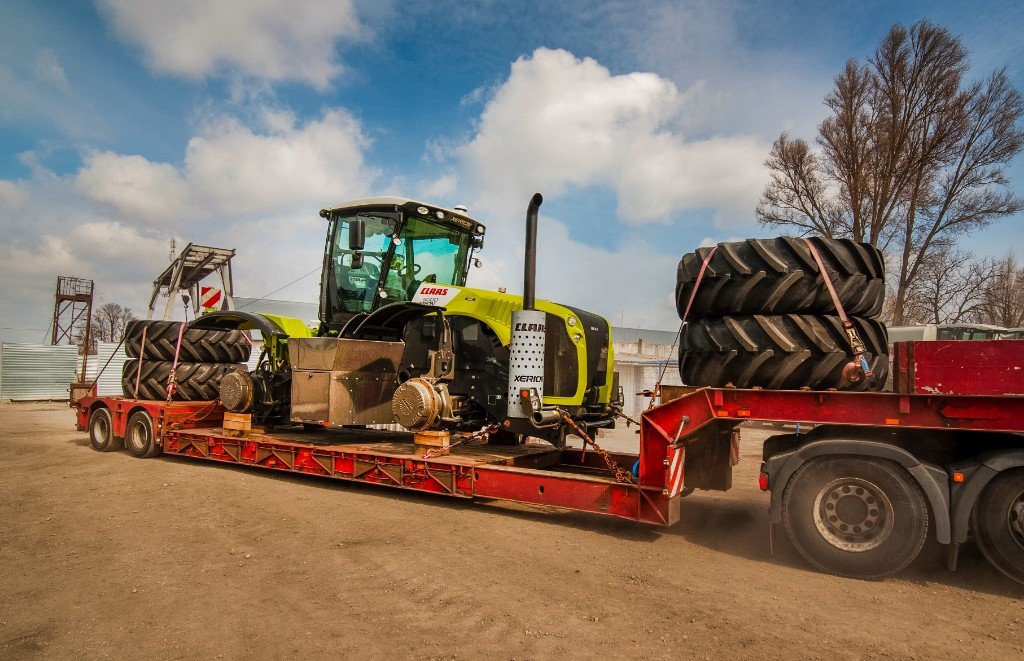
Construction freight depends on the material profile, site access, equipment match, and a handover plan that keeps the project schedule moving.
Assess the cargo, weight, dimensions, loading method, and site handling requirements.
Plan gate access, delivery timing, road conditions, lifting points, and on-site constraints.
Deploy the trailer and handling equipment suited to bulk, steel, plant, or abnormal loads.
Deliver to the correct site point with coordination, proof of delivery, and clear communication.
Support for local sites, regional corridors, supplier deliveries, plant relocation, port-linked imports, and project-based construction logistics.
Sand, gravel, crushed stone, soil, rubble, cement, bricks, and bulk fill.
Structural steel, pipes, timber, formwork, scaffolding, precast, and site supplies.
Excavators, graders, loaders, rollers, cranes, machinery, and project equipment.
Cross-border project movement, containers, imports, and supplier-to-site delivery.
Tell us the cargo type, site location, access constraints, weight, dimensions, required date, loading method, and any special handling needs.
Construction transport often requires trailers that can handle heavy, bulky, irregular, and loose materials. The right trailer depends on the type of cargo, site access, weight, route conditions, loading method, and unloading requirements.
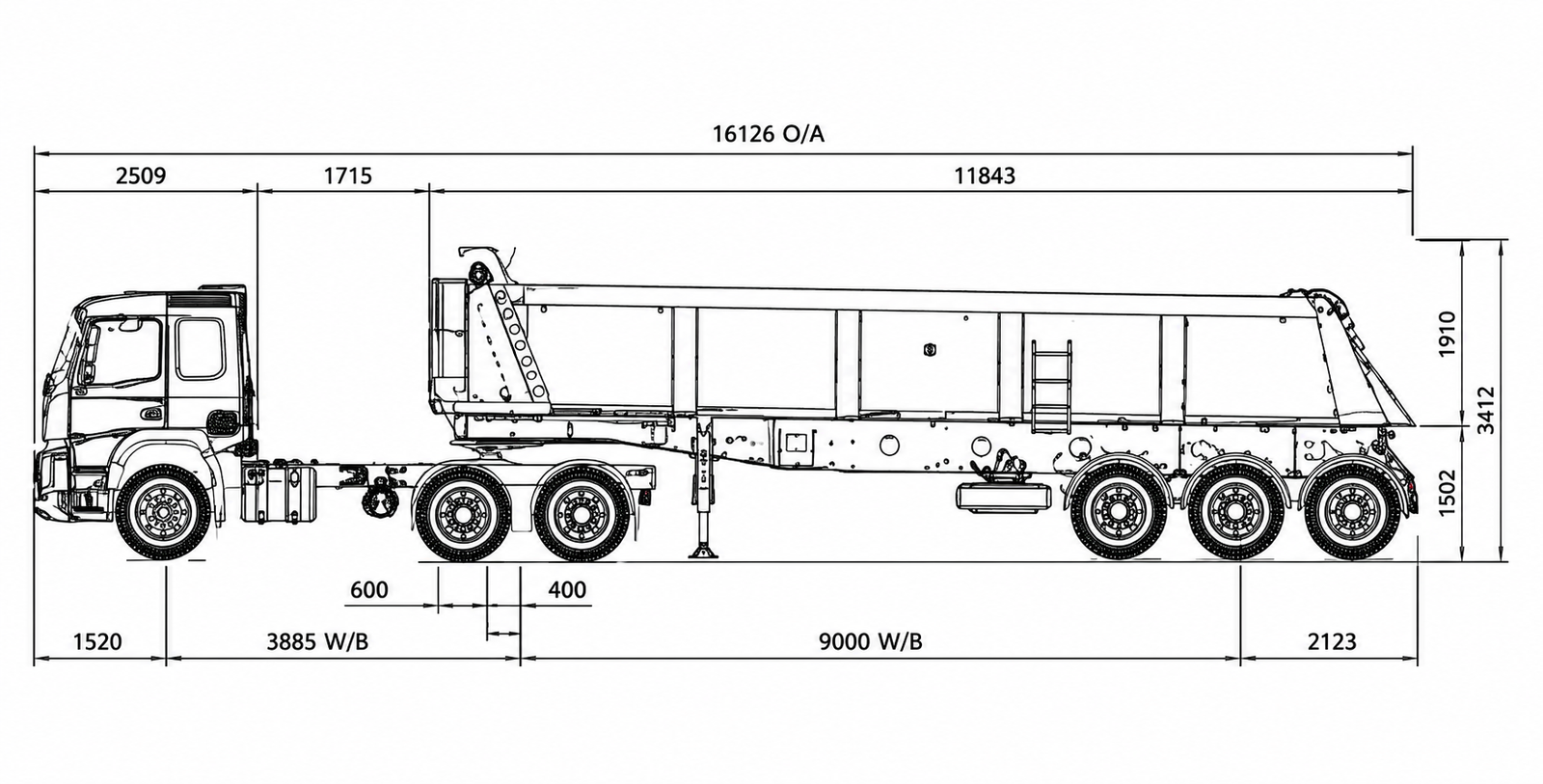
Tipper trailers are commonly used for transporting loose construction materials such as sand, gravel, crushed stone, soil, rubble, aggregates, and bulk fill. Their tipping function helps reduce unloading time on construction sites, road works, civil works, and bulk material yards.
Best suited for loose construction materials that need efficient loading, hauling, and tipping.
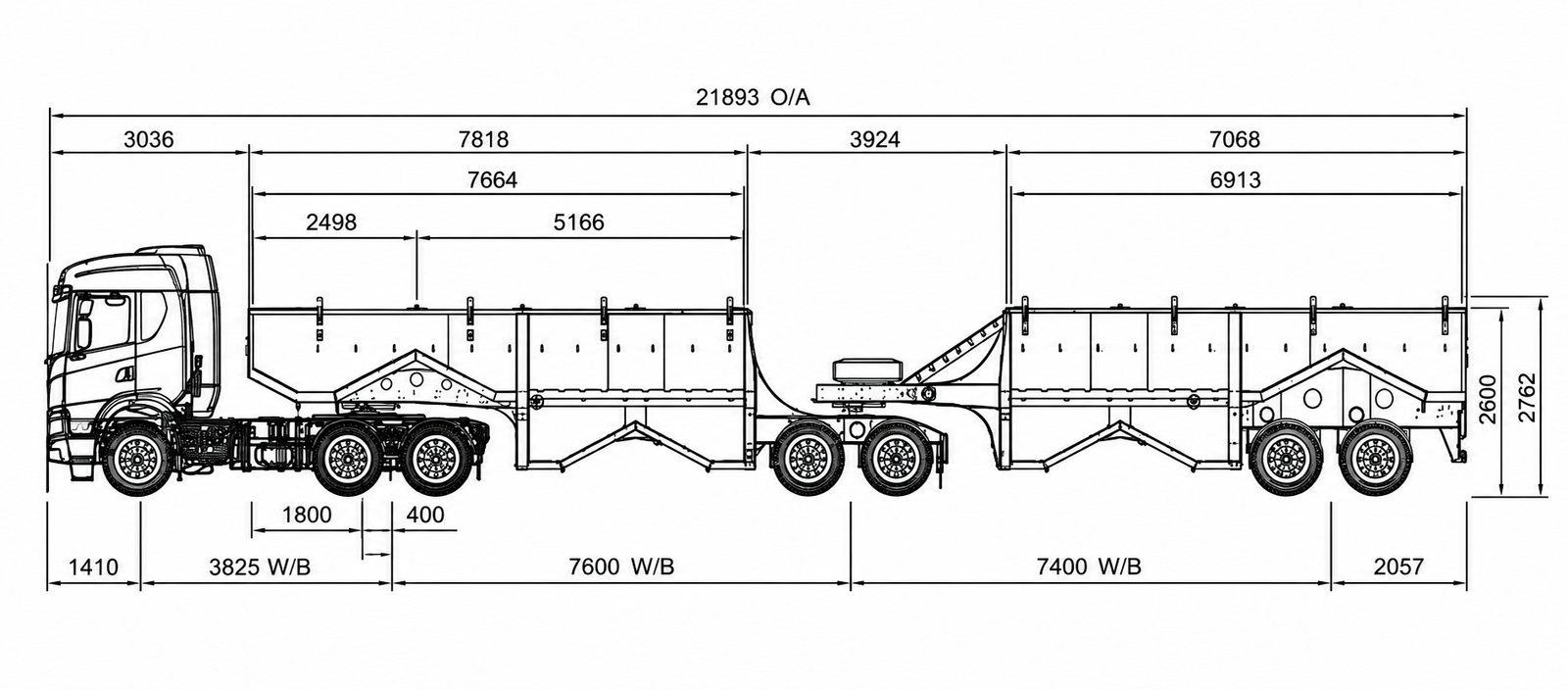
A 52 m³ bottom dump interlink designed for fast, stable and controlled discharge of construction bulk materials.
Best suited for free-flowing construction materials requiring controlled bottom discharge.
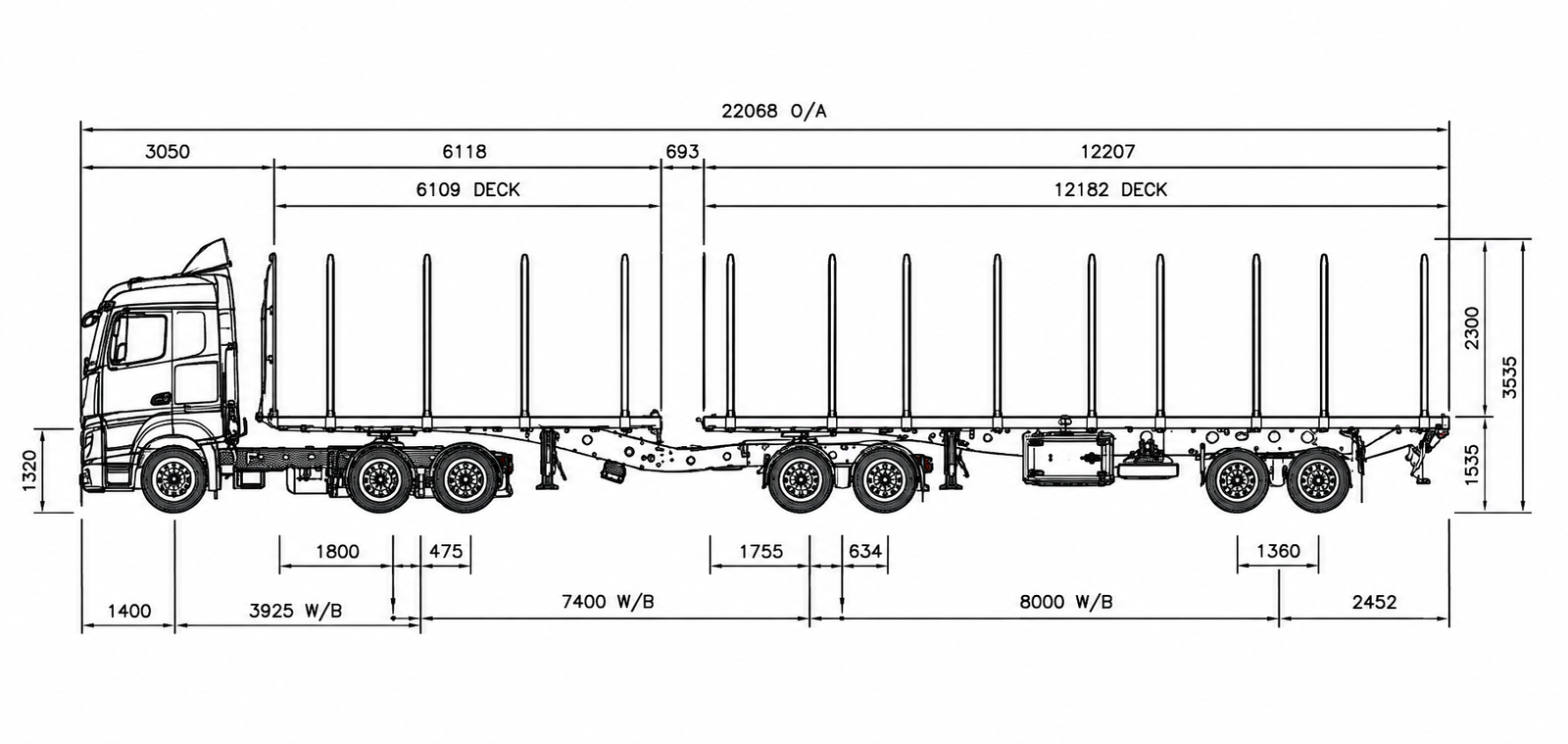
Flatbed trailers are widely used for carrying steel, pipes, timber, formwork, scaffolding, precast items, construction supplies, and irregular loads. Their open platform makes them flexible for items that need to be loaded by crane, forklift, or site equipment.
Best suited for long, bulky, palletised, or irregular construction loads that need open-platform transport.
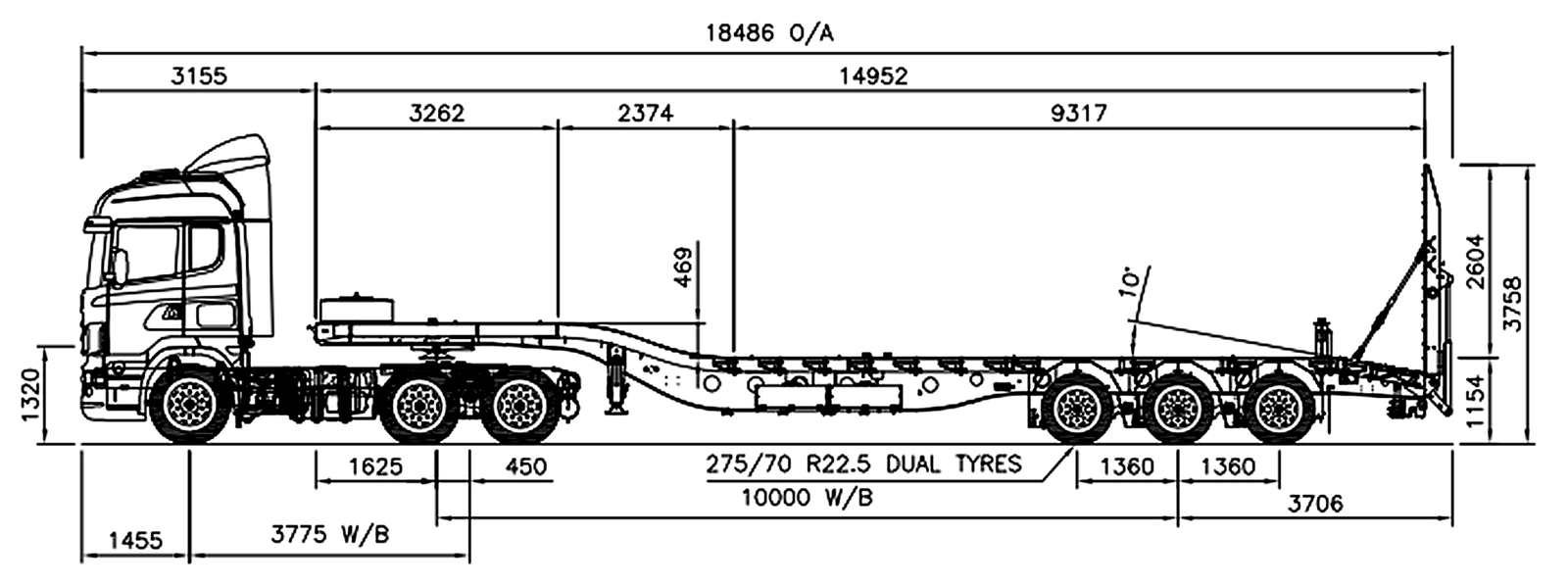
Lowbed trailers are used for transporting heavy construction machinery and oversized equipment. Their low platform helps carry tall or heavy machines more safely on suitable routes.
Best suited for heavy, oversized, or abnormal construction equipment that requires stable low-platform transport.
Construction cargo often moves between suppliers, industrial hubs, construction sites, ports, border points, and regional project locations. These routes support local site delivery, material supply, equipment movement, imports, exports, and cross-border project logistics.
Johannesburg → Beitbridge → Harare → Lusaka → Copperbelt
A major regional route linking South Africa, Zimbabwe, Zambia, and the Copperbelt. It supports the movement of construction equipment, machinery, steel, cement, building supplies, containers, project cargo, and industrial freight.
Harare → Mutare → Beira
Connects Zimbabwe to the Port of Beira in Mozambique. Useful for imported construction materials, project cargo, machinery, steel, pipes, containers, plant equipment, and port-linked logistics.
Johannesburg / Gauteng → Maputo Port
Links South Africa's industrial regions to the Port of Maputo in Mozambique. Supports construction freight, industrial cargo, machinery, building materials, imports, exports, and regional logistics.
Zambia / Malawi / Mozambique → Nacala Port
Supports regional movement through Zambia, Malawi, and Mozambique, with access to the Port of Nacala. Can support project cargo, construction materials, machinery, containers, and regional import/export movement.
Suppliers → Construction sites → Industrial hubs → Borders / Ports
Local construction routes connect suppliers, quarries, cement plants, steel yards, warehouses, equipment yards, project sites, industrial zones, border points, and ports , including Harare, Bulawayo, Gweru, Mutare, Masvingo, Beitbridge, Victoria Falls, mining towns, growth points, and infrastructure project sites.
Construction transport can support sand, gravel, crushed stone, cement, bricks, steel, pipes, timber, scaffolding, formwork, containers, machinery, equipment, precast items, bulk fill, rubble, and project cargo.
Tipper trailers are commonly used for loose bulk materials, flatbed trailers are used for steel, pipes, pallets, and irregular loads, while lowbed trailers are used for heavy machinery and oversized construction equipment.
Tipper trailers are commonly used for sand, gravel, aggregates, rubble, soil, and bulk fill because they allow efficient unloading through tipping.
Flatbed trailers are suitable for steel, pipes, timber, scaffolding, formwork, pallets, and other long or irregular construction materials.
Lowbed trailers are suitable for heavy machinery such as excavators, bulldozers, graders, loaders, rollers, cranes, crushers, pavers, and compressors.
Yes. Local construction routes can support movement between suppliers, warehouses, quarries, cement plants, steel yards, construction sites, equipment yards, industrial zones, and project locations.
Yes. Construction cargo can move through regional corridors connecting Zimbabwe with South Africa, Mozambique, Zambia, Botswana, Malawi, and other SADC markets depending on cargo type, documentation, and route requirements.
Common construction transport corridors include the North–South Corridor, Beira Corridor, Maputo Corridor, and Nacala Corridor. These routes support equipment movement, project cargo, imports, exports, and regional freight.
Yes. Inbound construction movement can include imported machinery, steel, pipes, equipment, containers, and materials. Outbound movement can include project cargo, equipment returns, materials, and regional supply deliveries.
Yes. Construction cargo may require route checks, loading plans, weight assessment, permits, abnormal load planning, escort planning, border documentation, delivery scheduling, and site access checks.
Important details include cargo type, weight, dimensions, loading point, delivery point, preferred route, loading method, unloading method, site access, delivery timeline, and whether the cargo is standard, heavy, oversized, or loose bulk material.


End-to-end freight, courier, warehousing, and cross-border support for every shipment.
Services