Cargo, document & procurement review
Review the supply requirement, quantities, documentation, cargo profile, controls, and delivery conditions.
Infrastructure materials, medical and ICT supplies, machinery, and project cargo moved for ministries, municipalities, and public institutions.
Public-sector logistics has to make procurement cargo usable at the point it serves: a clinic, school, municipal depot, public works project, utility, institution, or community.
We align documentation, delivery planning, security, access, stakeholders, and accountable handovers across the movement of public-service supplies and project cargo.

We plan the practical requirements early so cargo, documents, access, teams, sites, and delivery controls remain aligned throughout the movement.
Review the supply requirement, quantities, documentation, cargo profile, controls, and delivery conditions.
Coordinate route, timing, delivery access, public institution contacts, project teams, and site requirements.
Match the right transport, loading method, security, and cargo protection to the job and location.
Complete a clear delivery to the receiving institution, public-service project, municipal team, or community point.
Our planning supports the cargo categories, delivery environments, and regional supply paths behind public-sector programmes and operations.
Project supplies planned around their profile, access requirements, delivery sequence, and final use.
Essential materials supported from incoming supply through to the public institution receiving them.
Practical movement for operational equipment, technology rollouts, vehicles, and project resources.
Connected movement from regional supply points through to public projects and institutions.
Send the cargo requirement, quantities, collection point, delivery site, required dates, receiving contacts, and any documentation, security, access, or handling requirements.
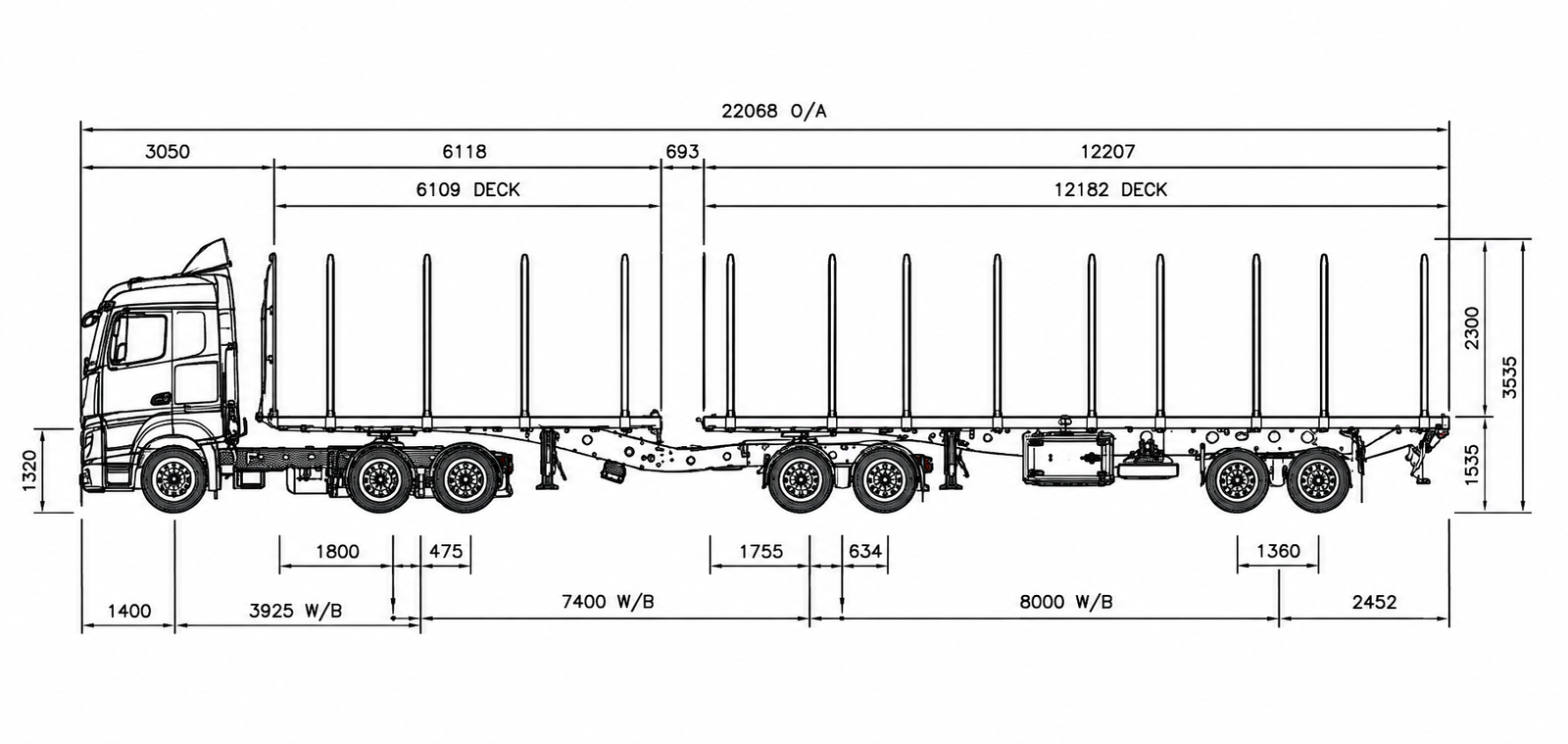
Flatbed trailers are commonly used for public works materials, pipes, poles, steel structures, water tanks, school furniture, road project materials, crates, pallets, and general infrastructure cargo. Their open platform allows crane, forklift, and side loading.
Best suited for bulky, palletised, crated, or irregular public-sector cargo that requires open-platform loading.
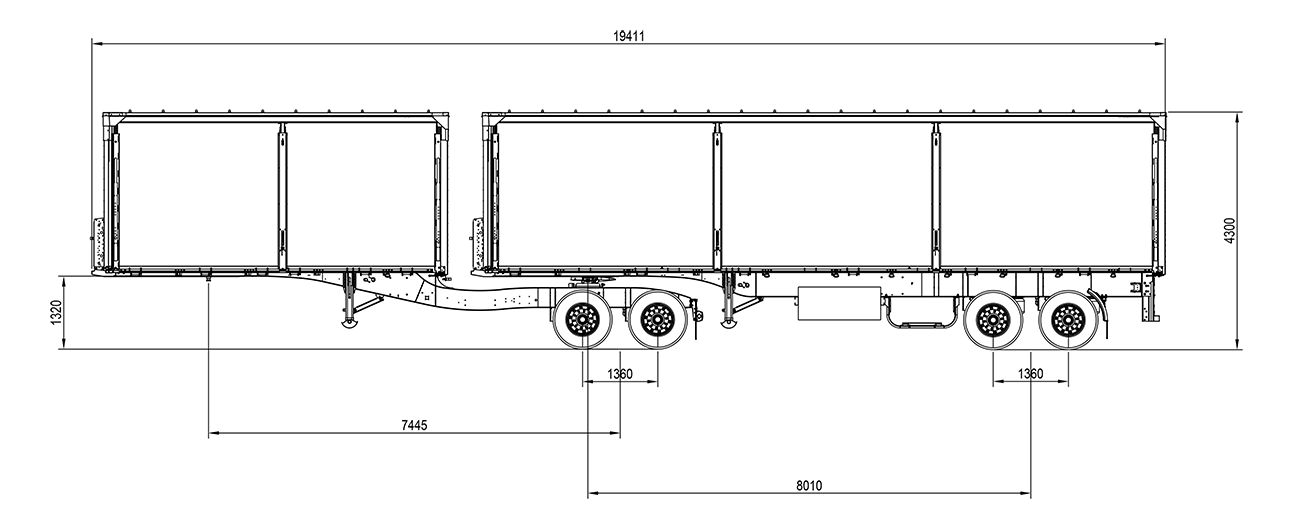
Enclosed trailers are useful for protected public-sector cargo such as documents, office equipment, ICT equipment, medical supplies, school materials, packaged goods, cartons, and high-value project stock.
Best suited for sensitive, packaged, high-value, or protected public-sector cargo that needs enclosed movement.

Container or skeletal trailers are commonly used for imported public-sector cargo and donor-funded project materials packed into shipping containers. This may include medical equipment, ICT hardware, education materials, WASH supplies, machinery, and project stock.
Best suited for containerised government cargo, imported equipment, donor-funded supplies, and port-linked public-sector deliveries.

Lowbed trailers are used for heavy or oversized public-sector cargo such as graders, rollers, construction machinery, generators, transformers, modular units, municipal equipment, and heavy project cargo.
Best suited for heavy, tall, oversized, or abnormal public-sector cargo that requires stable low-platform transport.
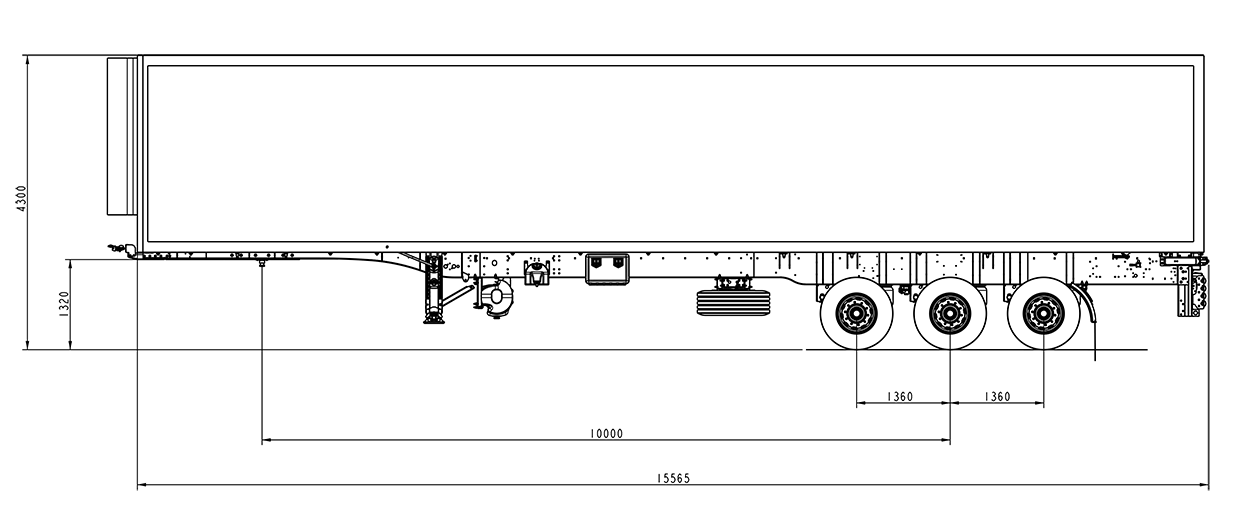
Refrigerated trailers are used where public-sector cargo includes temperature-sensitive healthcare supplies, vaccines, certain medicines, diagnostics, nutrition products, and cold-chain programme cargo.
Best suited for temperature-sensitive public health cargo that requires cold-chain protection.
Beira Port → Mutare → Harare → Public Institutions / Project Sites
Can support imported public-sector cargo, containers, health supplies, infrastructure materials, ICT equipment, education supplies, WASH items, and project cargo moving from Mozambique into Zimbabwe.
Johannesburg / Durban / Gauteng → Beitbridge → Harare / Bulawayo
An important route for public-sector supplies, medical cargo, vehicles, machinery, ICT equipment, municipal supplies, school materials, and project cargo moving from South Africa into Zimbabwe.
Johannesburg → Beitbridge → Harare → Lusaka → Copperbelt
Supports government and public-sector cargo movement between South Africa, Zimbabwe, Zambia, and the Copperbelt. Useful for infrastructure materials, vehicles, machinery, health supplies, ICT equipment, education supplies, and regional development projects.
Johannesburg / Gauteng → Maputo Port
Links South Africa's industrial regions to the Port of Maputo. Can support government project cargo, containers, public works equipment, ICT materials, vehicles, machinery, and regional public-sector supply chains.
Warehouses → Ministries → Schools → Clinics → Municipal Sites
Local public-sector routes connect government warehouses, ministries, local authorities, schools, hospitals, clinics, municipal depots, public works sites, water and sanitation projects, ICT rollout sites, road projects, and community service delivery points across Zimbabwe.
Government and public-sector cargo may include school furniture, medical supplies, hospital equipment, ICT equipment, office furniture, documents, public works materials, water and sanitation supplies, pipes, tanks, vehicles, machinery, generators, containers, and emergency response cargo.
Flatbed trailers are used for bulky project materials, enclosed trailers are used for protected cargo, container or skeletal trailers are used for imported containerised cargo, lowbed trailers are used for heavy machinery, and refrigerated trailers are used for cold-chain public health cargo.
Flatbed trailers are suitable for pipes, poles, tanks, steel structures, road project materials, crates, pallets, and infrastructure cargo that needs open-platform loading.
Enclosed or box trailers are suitable for protected items such as documents, ICT hardware, school materials, office equipment, medical supplies, cartons, and other sensitive cargo.
Container or skeletal trailers are suitable for imported public-sector cargo and donor-funded supplies packed into shipping containers and moved between ports, borders, warehouses, and project sites.
Lowbed trailers are suitable for graders, rollers, construction machinery, municipal equipment, generators, transformers, modular units, and other heavy or oversized project cargo.
Yes. Public-sector cargo may require procurement documentation, delivery scheduling, proof of delivery, site access checks, security planning, route checks, cold-chain monitoring, permits, and coordination with public institutions or project teams.
Yes. Local routes can support deliveries from warehouses and suppliers to ministries, schools, hospitals, clinics, municipalities, district offices, public works sites, water projects, ICT rollout sites, and community service delivery points.
Yes. Government and public-sector cargo can move through regional corridors connecting Zimbabwe with South Africa, Mozambique, Zambia, Botswana, Malawi, and other SADC markets, depending on cargo type, documentation, and project requirements.
Common government and public-sector corridors include the Beira Corridor, South Africa-to-Beitbridge route, North–South Corridor, and Maputo Corridor. These routes support infrastructure supplies, medical cargo, education materials, ICT equipment, municipal machinery, and project cargo.
Important details include cargo type, weight, dimensions, packaging, loading point, delivery point, route, delivery window, documentation, project reference, site access, unloading method, security needs, and whether the cargo requires enclosed, refrigerated, containerised, flatbed, or lowbed transport.


End-to-end freight, courier, warehousing, and cross-border support for every shipment.
Services