Product, packaging & condition review
Review the product type, temperature needs, packaging, quantities, sensitivity, and handling requirements.

Cold-chain medicines, medical devices, PPE, and hospital equipment moved from port and supplier to hospital, clinic, and pharmacy.
Healthcare and pharmaceutical cargo reaches people at the point it matters most. Every movement needs the right protection, temperature conditions, documentation, security, and delivery plan.
We connect suppliers, ports, warehouses, hospitals, clinics, pharmacies, laboratories, and health programmes with logistics planned around product condition and responsible handover.

We plan the practical controls that help medicines, equipment, and healthcare supplies arrive in the condition and sequence the receiving facility needs.
Review the product type, temperature needs, packaging, quantities, sensitivity, and handling requirements.
Align condition controls, documentation, security, route timing, delivery windows, and the final receiving point.
Match the transport, loading method, protection, security, and handling to the specific healthcare cargo.
Complete a clear, accountable delivery to the facility, programme, pharmacy, laboratory, or care location.
Our planning supports the products, facilities, and supply paths that keep healthcare and pharmaceutical distribution moving.
Condition-sensitive healthcare products planned with the controls and timing they require.
Medical supplies and equipment protected from collection through to their delivery point.
Connected distribution to the real healthcare environments where stock is received and used.
Practical movement through inbound supply points and regional health programme networks.
Send the product type, quantity, temperature or handling requirements, collection point, receiving facility, required date, and any documentation or security requirements.
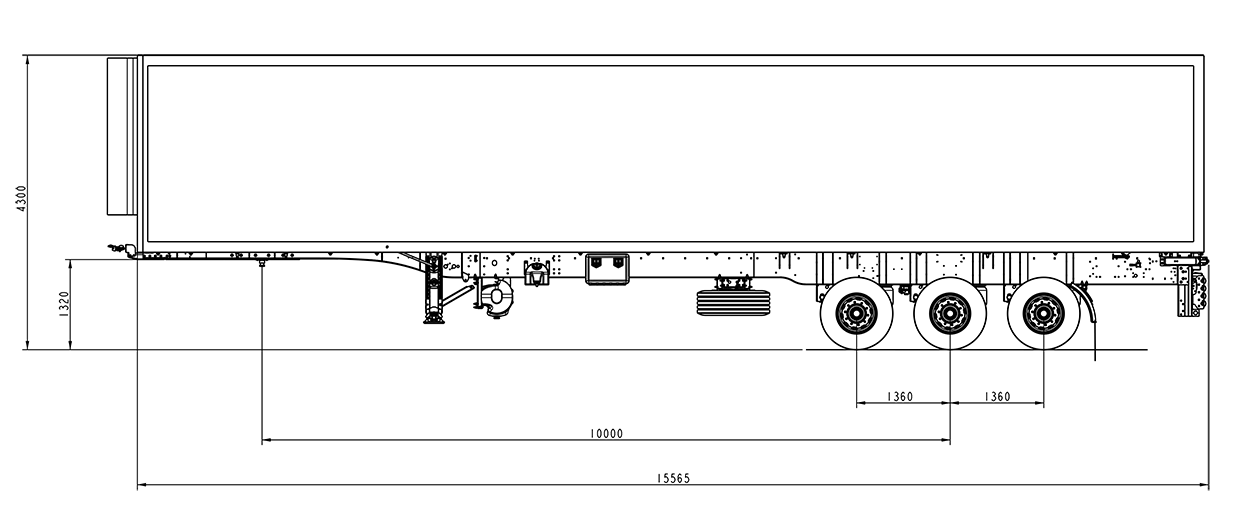
Refrigerated trailers are commonly used for temperature-sensitive medicines, vaccines, biological products, diagnostics, certain laboratory supplies, and pharmaceutical products that require controlled temperature conditions.
Best suited for temperature-sensitive healthcare and pharmaceutical cargo that requires cold-chain protection.
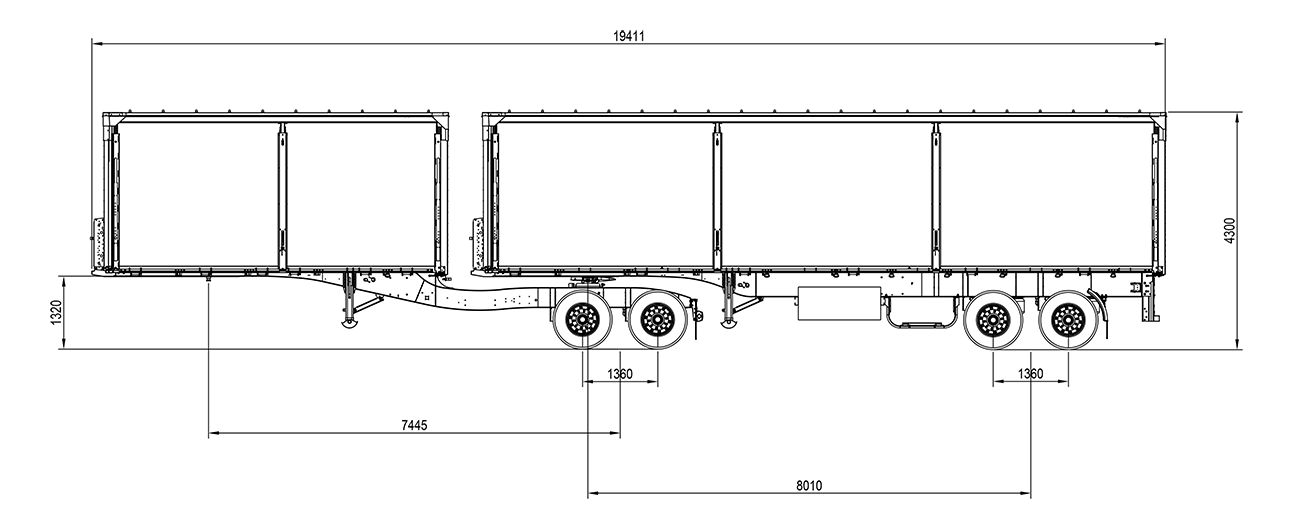
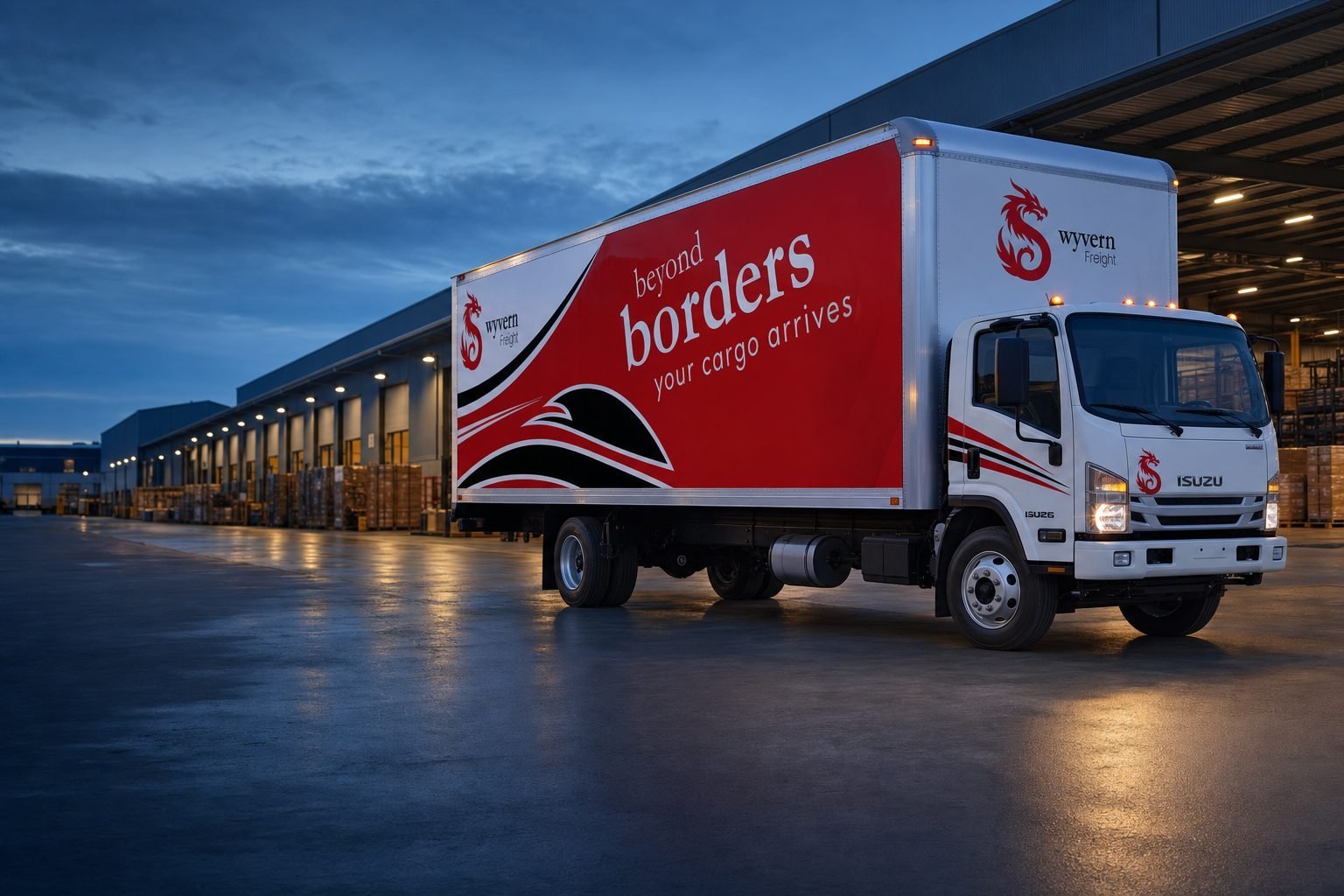
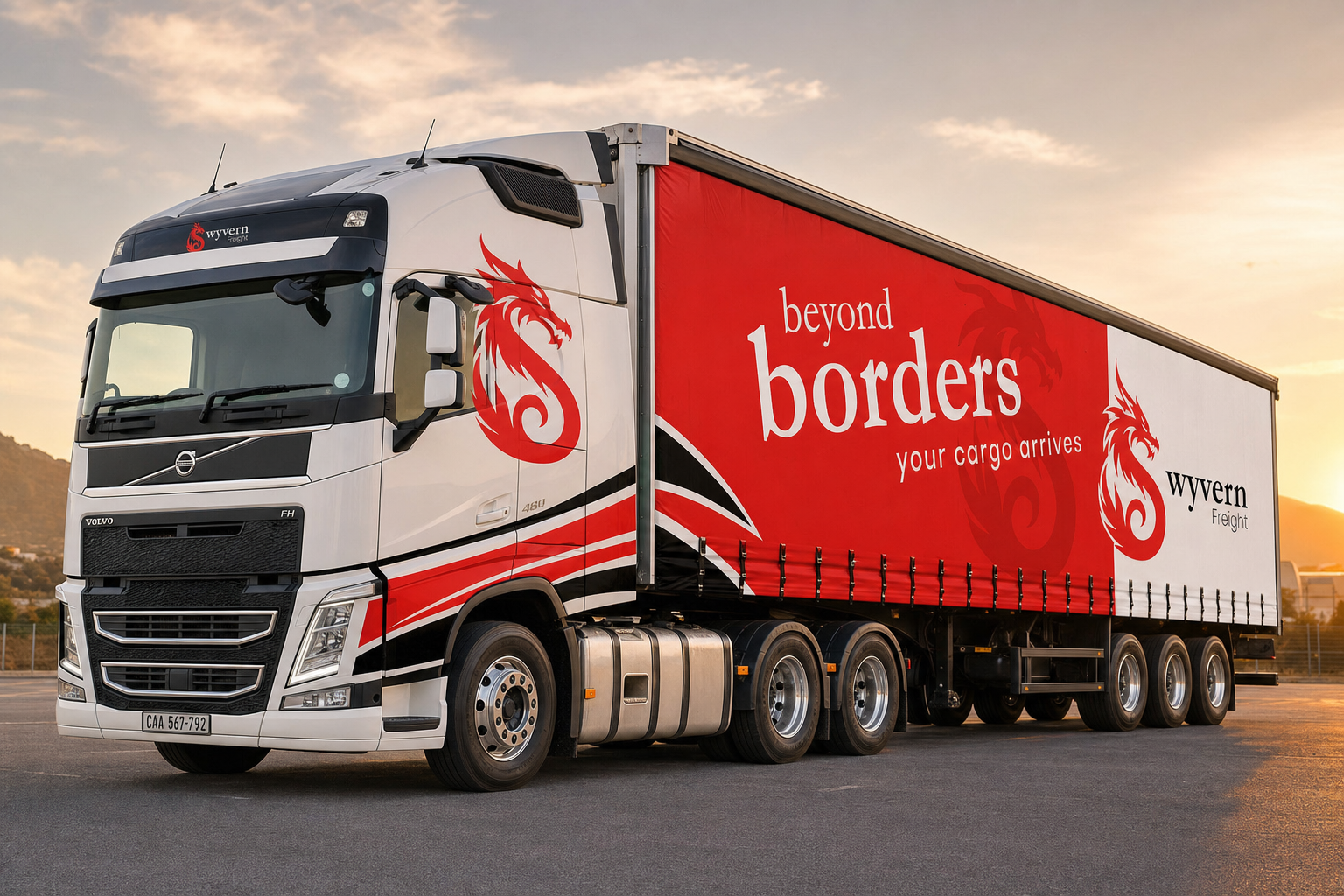
Enclosed trailers are useful for medical consumables, PPE, hospital supplies, cartons, devices, laboratory items, packaged medicines, and high-value healthcare cargo. They help protect cargo from dust, rain, visibility, and handling damage.
Best suited for packaged, fragile, high-value, or regulated healthcare cargo that needs protected movement.

Container or skeletal trailers are commonly used for imported healthcare and pharmaceutical cargo packed into shipping containers. This may include medical devices, hospital equipment, pharmaceutical stock, PPE, consumables, and project supplies.
Best suited for containerised healthcare cargo, imported pharmaceutical stock, medical equipment, and port-linked deliveries.
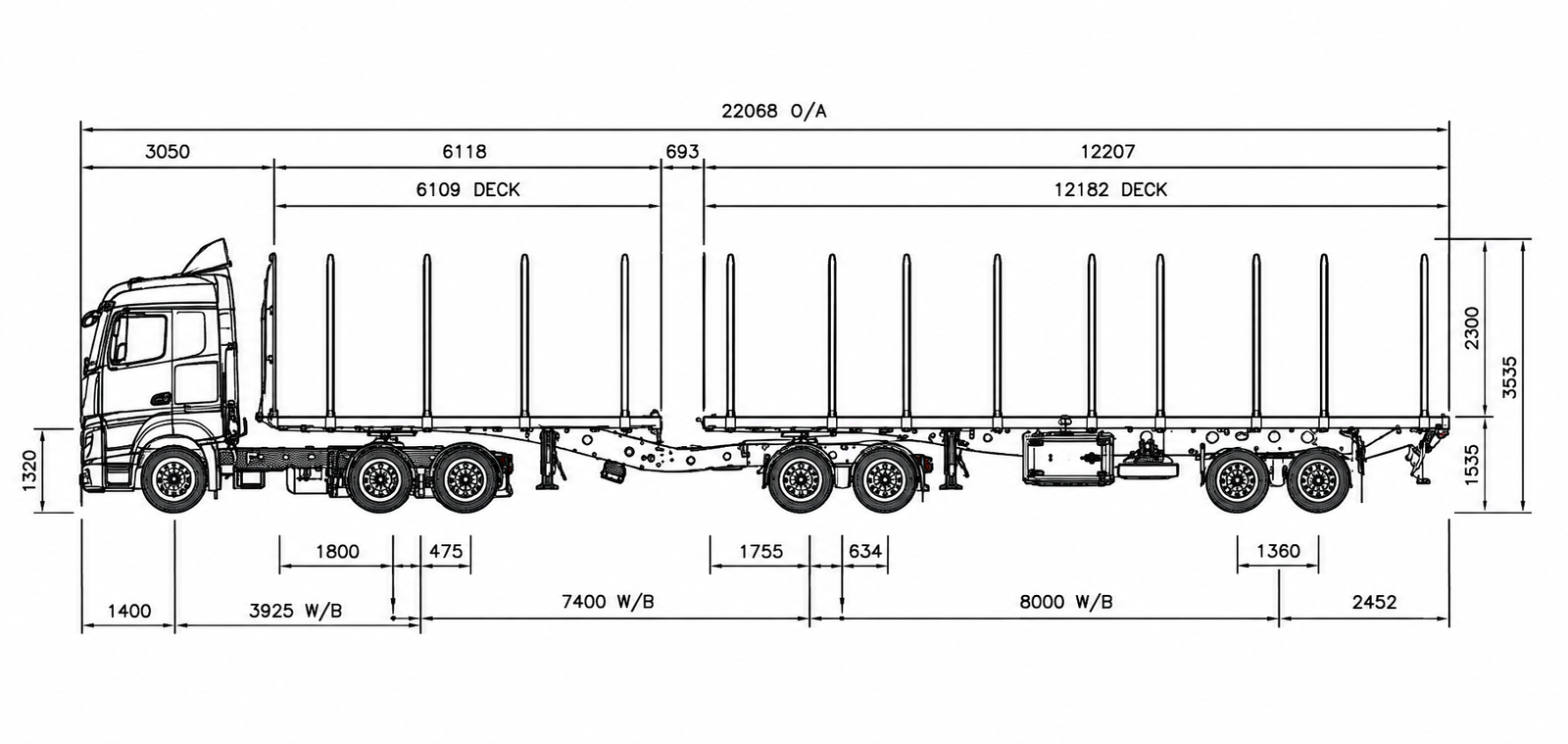
Open-platform transport for medical furniture, oxygen plant components, modular clinic units, containers and irregular healthcare project cargo.
Best suited for bulky or irregular healthcare cargo requiring open side or overhead loading.

Low-platform transport for large hospital equipment, generators, heavy modular units and oversized healthcare infrastructure.
Best suited for heavy, tall or abnormal healthcare infrastructure requiring stable low-platform transport.
Beira Port → Mutare → Harare
Can support imported healthcare cargo, pharmaceutical stock, medical devices, hospital equipment, PPE, containers, and cold-chain products moving from Mozambique into Zimbabwe.
Johannesburg / Durban / Gauteng → Beitbridge → Harare / Bulawayo
An important route for pharmaceutical products, medical supplies, hospital equipment, laboratory items, PPE, devices, and healthcare cargo moving from South Africa into Zimbabwe.
Johannesburg → Beitbridge → Harare → Lusaka → Copperbelt
Supports healthcare and pharmaceutical cargo movement between South Africa, Zimbabwe, Zambia, and the Copperbelt. Useful for medical supplies, medicines, hospital equipment, laboratory cargo, cold-chain products, and regional health programmes.
Johannesburg / Gauteng → Maputo Port
Links South Africa's industrial and healthcare supply regions to the Port of Maputo. Can support medical cargo, pharmaceutical imports, containers, healthcare equipment, PPE, and regional distribution.
Warehouses → Hospitals → Clinics → Pharmacies → Laboratories
Local healthcare routes connect importers, wholesalers, warehouses, hospitals, clinics, pharmacies, laboratories, NGOs, government health facilities, private medical centres, and regional distribution points across Harare, Bulawayo, Gweru, Mutare, Masvingo, Victoria Falls, Beitbridge, and other towns.
Healthcare and pharma cargo may include medicines, vaccines, diagnostics, laboratory supplies, medical devices, hospital equipment, PPE, surgical consumables, medical furniture, cold-chain products, cartons, pallets, and containerised medical cargo.
Refrigerated trailers are commonly used for temperature-sensitive medicines and vaccines, enclosed trailers are used for protected packaged medical cargo, container or skeletal trailers are used for imported containerised cargo, and flatbed or lowbed trailers are used for large hospital equipment and project cargo.
Refrigerated trailers are suitable for vaccines, biological products, and temperature-sensitive medicines that require cold-chain protection and controlled transport conditions.
Enclosed or box trailers are suitable for packaged medicines, PPE, diagnostics, laboratory supplies, devices, cartons, and medical consumables that require protection from dust, rain, visibility, and handling damage.
Container or skeletal trailers are suitable for imported medical supplies and pharmaceutical cargo packed into shipping containers and moved between ports, borders, warehouses, and distributors.
Flatbed or lowbed trailers are suitable for large hospital equipment, medical furniture, generators, oxygen plant components, modular clinic units, and heavy healthcare infrastructure cargo.
Yes. Healthcare and pharmaceutical cargo may require temperature control, route timing, delivery windows, handling instructions, security planning, documentation, cold-chain monitoring, customs clearance, product segregation, and careful cargo protection.
Yes. Local routes can support deliveries from warehouses and suppliers to hospitals, clinics, pharmacies, laboratories, NGOs, government facilities, and private healthcare centres.
Yes. Healthcare cargo can move through regional corridors connecting Zimbabwe with South Africa, Mozambique, Zambia, Botswana, Malawi, and other SADC markets, depending on product type, documentation, temperature requirements, and handling needs.
Common healthcare and pharmaceutical routes include the Beira Corridor, South Africa-to-Beitbridge route, North–South Corridor, and Maputo Corridor. These routes support imported medicines, medical supplies, cold-chain products, hospital equipment, PPE, and regional health distribution.
Important details include product type, packaging, weight, dimensions, temperature requirement, handling instructions, loading point, delivery point, route, delivery window, documentation, security requirements, and whether the cargo requires refrigerated, enclosed, containerised, or heavy-equipment transport.


End-to-end freight, courier, warehousing, and cross-border support for every shipment.
Services