Cargo priority & condition review
Review the cargo, urgency, packaging, quantities, sensitivity, and handling needs before movement begins.
Food aid, medical supplies, WASH and shelter materials, and emergency relief moved from warehouse and port to community and field sites.
Humanitarian logistics has to work beyond the warehouse. It must protect urgent supplies, respect the field context, and reach the distribution point, clinic, school, or community where they are needed.
We support organisations and programmes with practical movement planning across warehouses, borders, district hubs, remote sites, and last-mile delivery locations.

We coordinate the practical details that protect cargo, account for access and field conditions, and support a clear handover at the real distribution point.
Review the cargo, urgency, packaging, quantities, sensitivity, and handling needs before movement begins.
Plan route conditions, access, security, field contacts, weather, timing, and the actual distribution point.
Match the transport, cargo protection, security, loading, and field capability to the delivery plan.
Complete an accountable delivery to the field team, distribution point, facility, school, or community partner.
Our planning supports the cargo categories and delivery paths that enable humanitarian programmes and community-focused projects.
Critical supplies planned around urgency, packaging, quantity, distribution timing, and access.
Health and water-related materials handled with the care, protection, and coordination they require.
Practical support for programme materials, shelter items, school supplies, and field equipment.
Connected movement from regional supply points through to the actual programme or community site.
Send the cargo type, quantity, collection point, destination, required date, field access information, and any security, documentation, or special handling requirements.
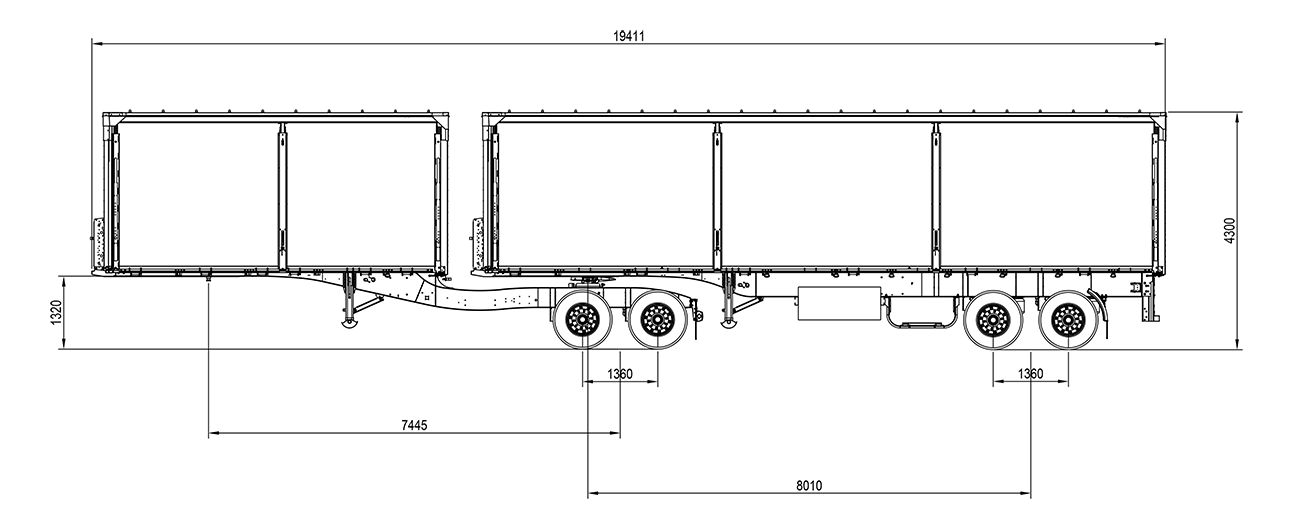
Enclosed trailers are commonly used for protected humanitarian cargo such as hygiene kits, medical supplies, school materials, clothing, blankets, packaged food, cartons, donor-funded goods, and high-value relief items. They help reduce exposure to dust, rain, visibility, and handling damage.
Best suited for packaged, high-value, sensitive, or donor-funded relief cargo that needs protected movement.
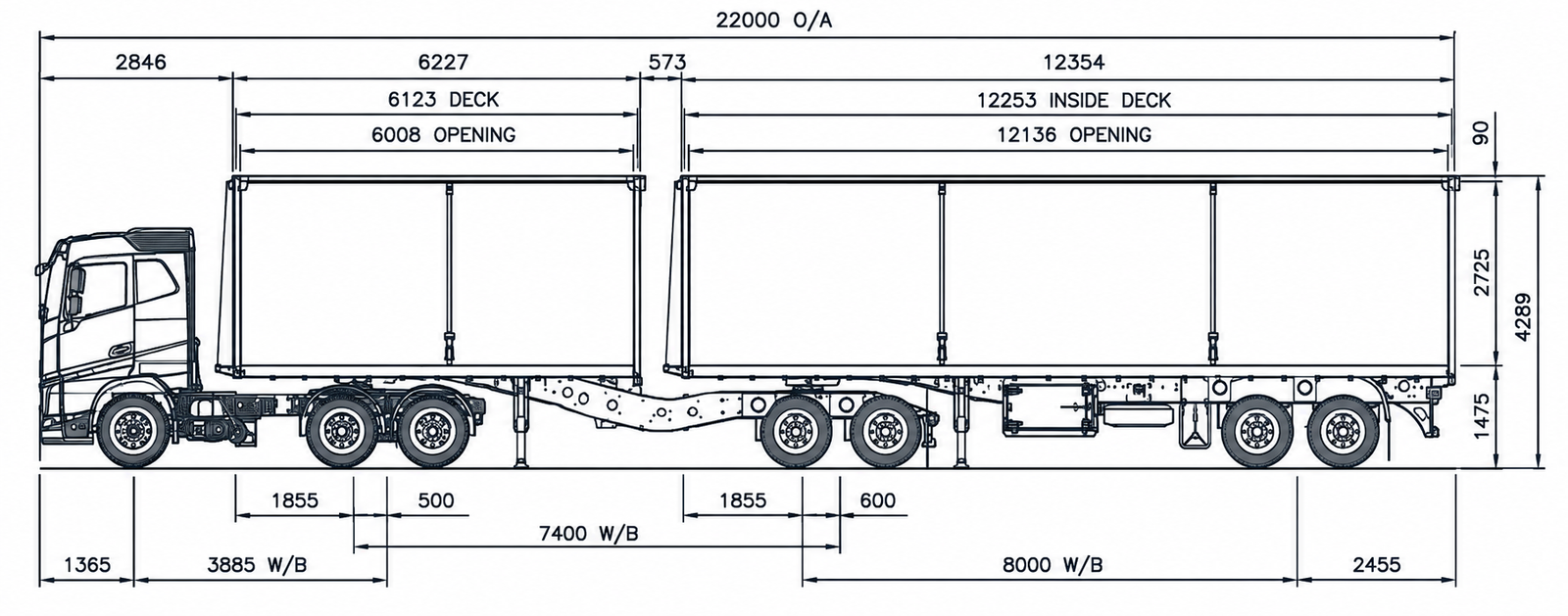
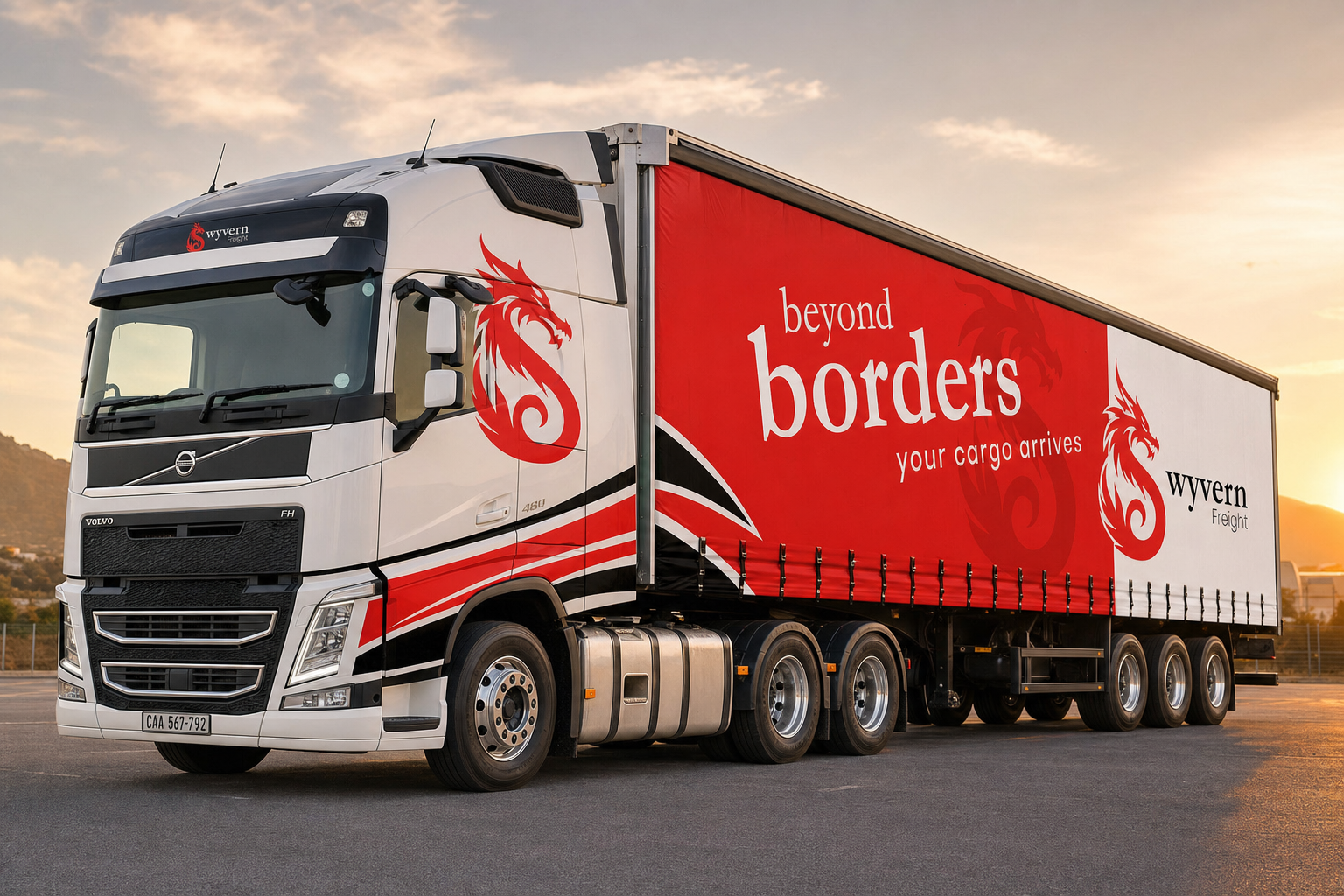
Sliding curtain trailers are useful for palletised relief cargo, food aid, water and sanitation supplies, cartons, tents, mattresses, nutrition products, and bulk programme materials. Their side access allows faster loading and unloading at warehouses, depots, and distribution centres.
Best suited for palletised, cartonised, or high-volume humanitarian cargo that needs efficient access and cargo protection.
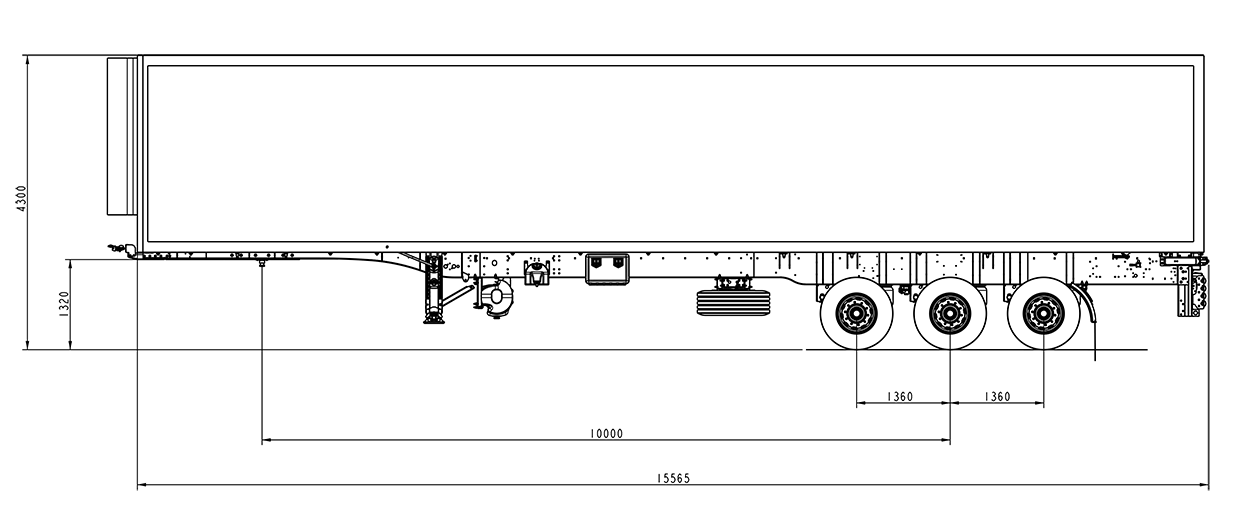
Refrigerated trailers are used where humanitarian or NGO programmes involve temperature-sensitive cargo such as vaccines, certain medicines, nutrition products, diagnostics, and cold-chain health supplies.
Best suited for temperature-sensitive humanitarian health cargo that requires cold-chain protection.
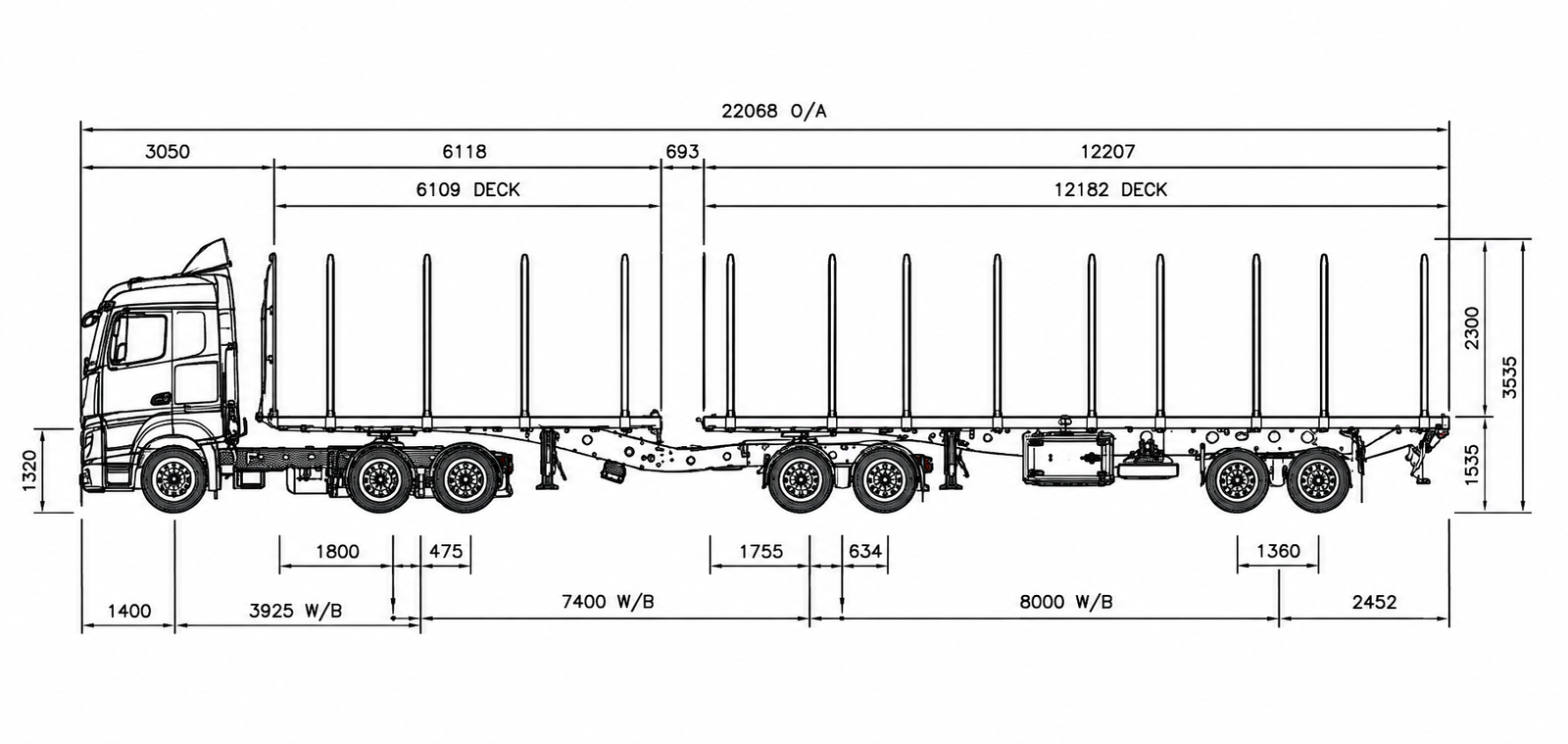
Flatbed trailers are useful for bulky NGO and relief cargo such as water tanks, generators, solar kits, tents, poles, construction materials, borehole equipment, pipes, pallets, and project supplies. Their open platform supports crane, forklift, and side loading.
Best suited for bulky, irregular, project-based, or infrastructure-related NGO cargo that requires open-platform loading.

Container or skeletal trailers are commonly used for imported humanitarian cargo and donor-funded supplies packed into shipping containers. These may include food aid, medical supplies, WASH materials, equipment, shelter items, and programme stock.
Best suited for containerised humanitarian cargo, imported supplies, donor-funded shipments, and port-linked deliveries.
Beira Port → Mutare → Harare → District Warehouses / Field Sites
Can support imported humanitarian supplies, food aid, medical cargo, WASH items, containers, project materials, and emergency relief moving from Mozambique into Zimbabwe and surrounding markets.
Johannesburg / Durban / Gauteng → Beitbridge → Harare / Bulawayo
An important route for NGO supplies, medical cargo, food products, equipment, vehicles, hygiene kits, warehouse stock, and donor-funded materials moving from South Africa into Zimbabwe.
Johannesburg → Beitbridge → Harare → Lusaka → Copperbelt
Supports humanitarian and development cargo movement between South Africa, Zimbabwe, Zambia, and the Copperbelt. Useful for cross-border programme cargo, food security supplies, health materials, WASH equipment, shelter items, and regional NGO operations.
Central Warehouses → District Hubs → Clinics / Schools / Communities
Local humanitarian routes connect central warehouses, NGO depots, district hubs, clinics, schools, rural communities, refugee or displacement support points, feeding centres, water points, and project sites across Zimbabwe.
Warehouses → Affected Areas → Last-Mile Distribution Points
Emergency routes may change depending on floods, drought, road conditions, disease outbreaks, or local access constraints. These routes often require careful coordination with field teams, local authorities, community leaders, and humanitarian partners.
Humanitarian and NGO cargo may include food aid, hygiene kits, medical supplies, school materials, tents, blankets, mattresses, clothing, WASH supplies, water tanks, solar kits, generators, agricultural inputs, nutrition products, containers, and emergency relief items.
Enclosed trailers are commonly used for protected relief cargo, sliding curtain trailers are used for palletised and high-volume supplies, refrigerated trailers are used for cold-chain health cargo, flatbed trailers are used for bulky project materials, and container or skeletal trailers are used for imported donor-funded cargo.
Sliding curtain trailers are suitable for palletised food aid, cartons, tents, mattresses, hygiene kits, and bulk relief supplies because they allow efficient loading and unloading while protecting cargo.
Refrigerated trailers are suitable for vaccines, certain medicines, diagnostics, and other temperature-sensitive health cargo that require controlled transport conditions.
Flatbed trailers are suitable for bulky project cargo such as water tanks, generators, solar kits, pipes, poles, construction materials, and WASH infrastructure supplies.
Container or skeletal trailers are suitable for imported humanitarian supplies packed into shipping containers and moved between ports, borders, warehouses, and field distribution points.
Yes. Humanitarian cargo may require delivery scheduling, route checks, security planning, donor documentation, customs clearance, community coordination, proof-of-delivery controls, cold-chain monitoring, and last-mile access planning.
Yes. Local routes can support deliveries from warehouses and NGO depots to district hubs, clinics, schools, feeding centres, rural communities, water points, project sites, and emergency distribution points.
Yes. Humanitarian and NGO cargo can move through regional corridors connecting Zimbabwe with South Africa, Mozambique, Zambia, Botswana, Malawi, and other SADC markets, depending on cargo type, documentation, urgency, and destination.
Common humanitarian and NGO routes include the Beira Corridor, South Africa-to-Beitbridge route, North–South Corridor, and Zimbabwe local humanitarian distribution routes. These routes support relief supplies, food aid, medical cargo, WASH supplies, donor-funded goods, and emergency response cargo.
Important details include cargo type, volume, weight, packaging, urgency, loading point, delivery point, route, community access conditions, documentation, donor requirements, temperature needs, security considerations, and proof-of-delivery requirements.


End-to-end freight, courier, warehousing, and cross-border support for every shipment.
Services