Input & component profile
Understand raw materials, components, packaging, equipment, and required handling.
Raw materials, finished goods, machinery, and containers moved across factories, warehouses, and regional supply chains.
Industrial transport support for manufacturers, distributors, suppliers, wholesalers, factories, industrial parks, importers, exporters, and regional supply chain operators across Zimbabwe and SADC.
From raw materials and components to finished goods and export cargo, the movement plan has to protect the production schedule.
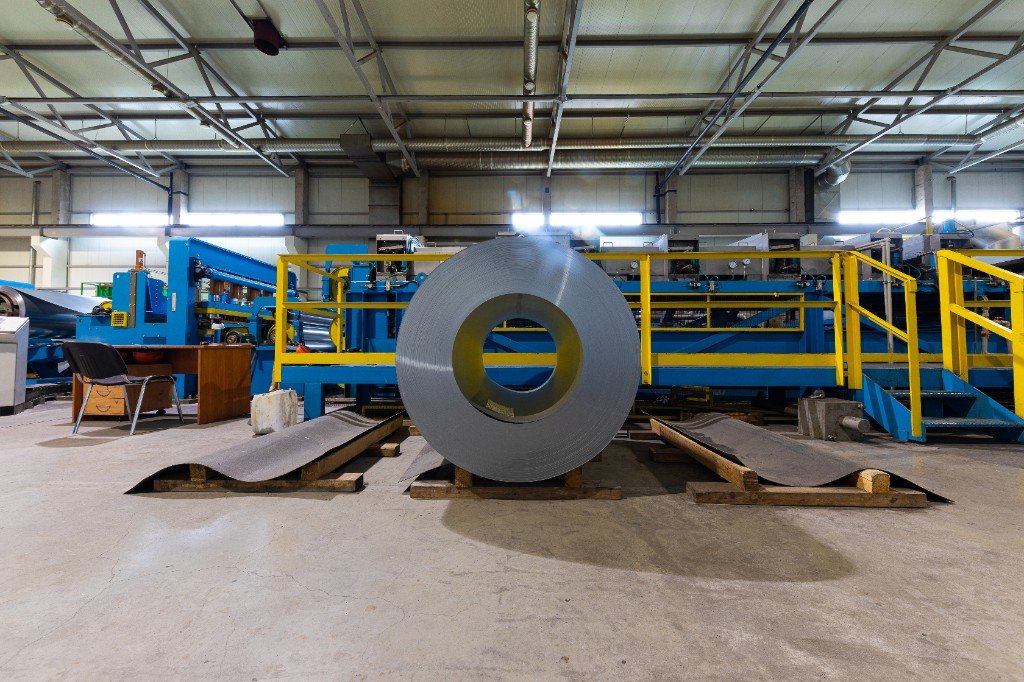
Efficient manufacturing freight connects the required input, the production window, the right handling method, and the next delivery point.
Understand raw materials, components, packaging, equipment, and required handling.
Align inbound and outbound movement with factory windows, availability, and dispatch deadlines.
Match the right vehicle and loading method to palletised goods, machinery, containers, or bulk inputs.
Deliver to the warehouse, distributor, customer, port, or next supply-chain stage with clear control.
Local and regional movement connects suppliers, factories, warehouses, distributors, ports, markets, and cross-border customers.
Industrial materials, chemicals, packaging, components, and production supplies.
Palletised products, packaged goods, beverages, and distributor or retail supply.
Equipment, plant components, fabricated cargo, spare parts, and maintenance supplies.
Port-linked imports, exports, regional distribution, and containerised industrial cargo.
Tell us the cargo type, collection point, delivery point, quantity, production or dispatch date, handling requirements, and any cross-border or container details.
Industrial manufacturing transport often requires trailers that can carry palletised goods, machinery, containerised cargo, packaged products, raw materials, and specialised industrial loads. The right trailer depends on the cargo type, handling method, route, volume, protection needs, and delivery schedule.
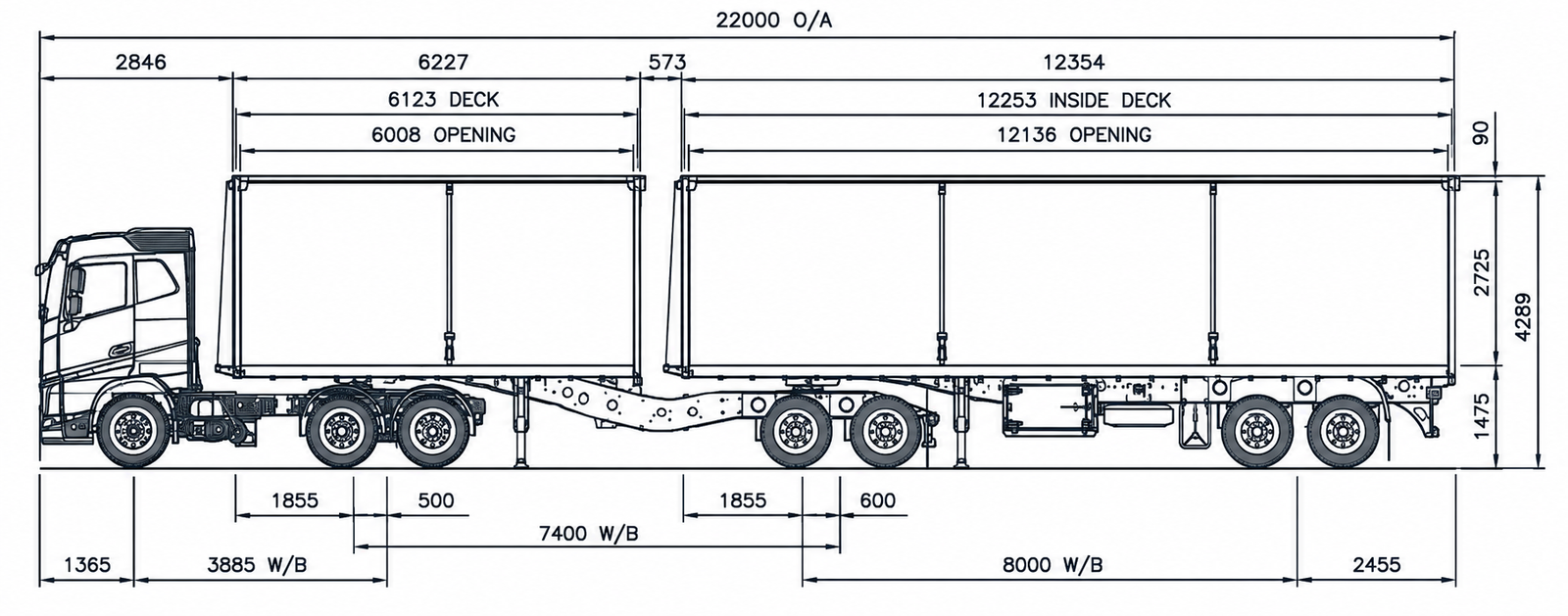
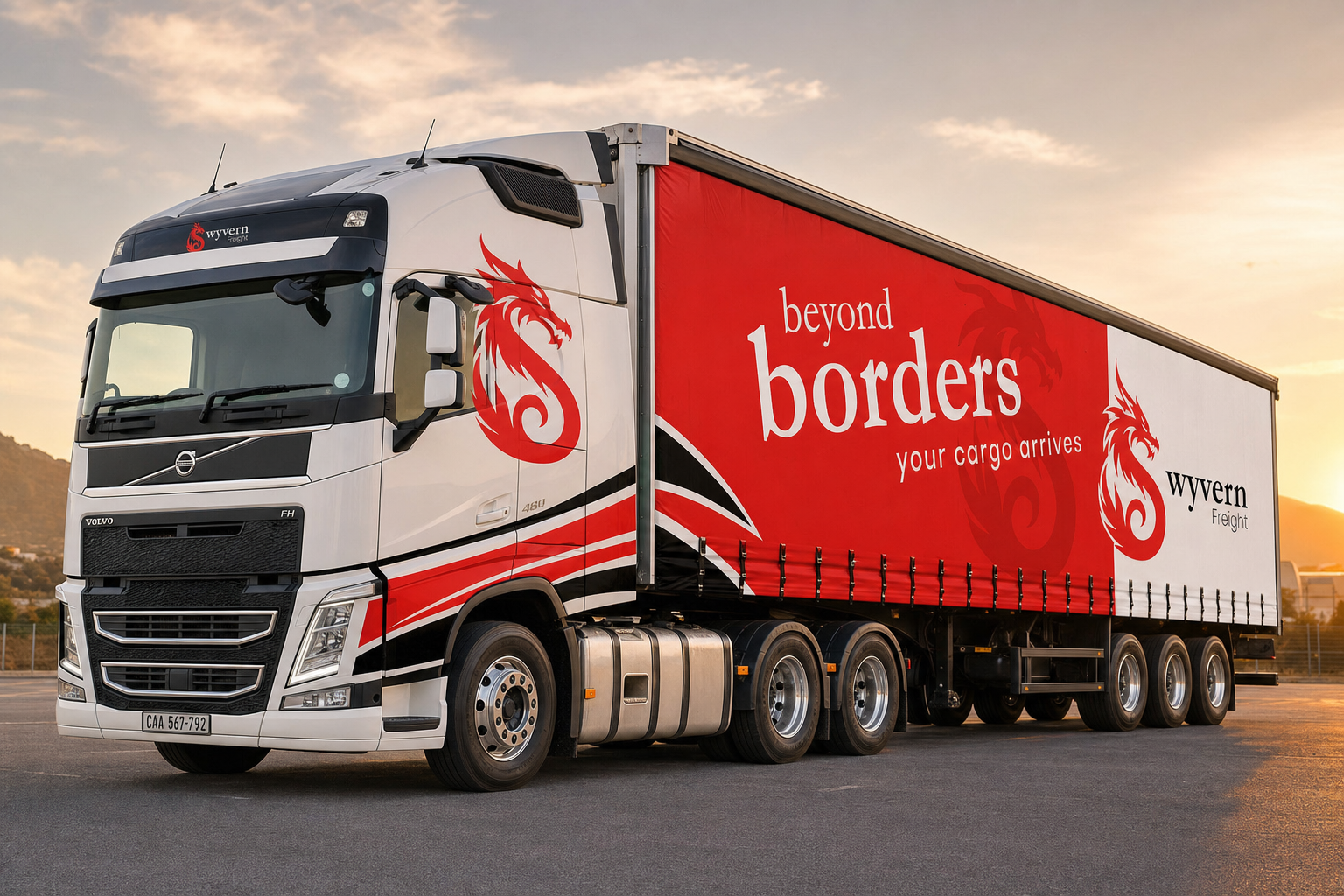
Sliding curtain trailers are commonly used for palletised goods, packaged products, industrial supplies, beverages, components, and general manufactured cargo. Their curtain-sided design allows side loading and unloading, which is useful for factories, warehouses, distribution centres, and retail supply chains.
Best suited for palletised, packaged, or general industrial cargo that needs flexible side access and protection during transport.
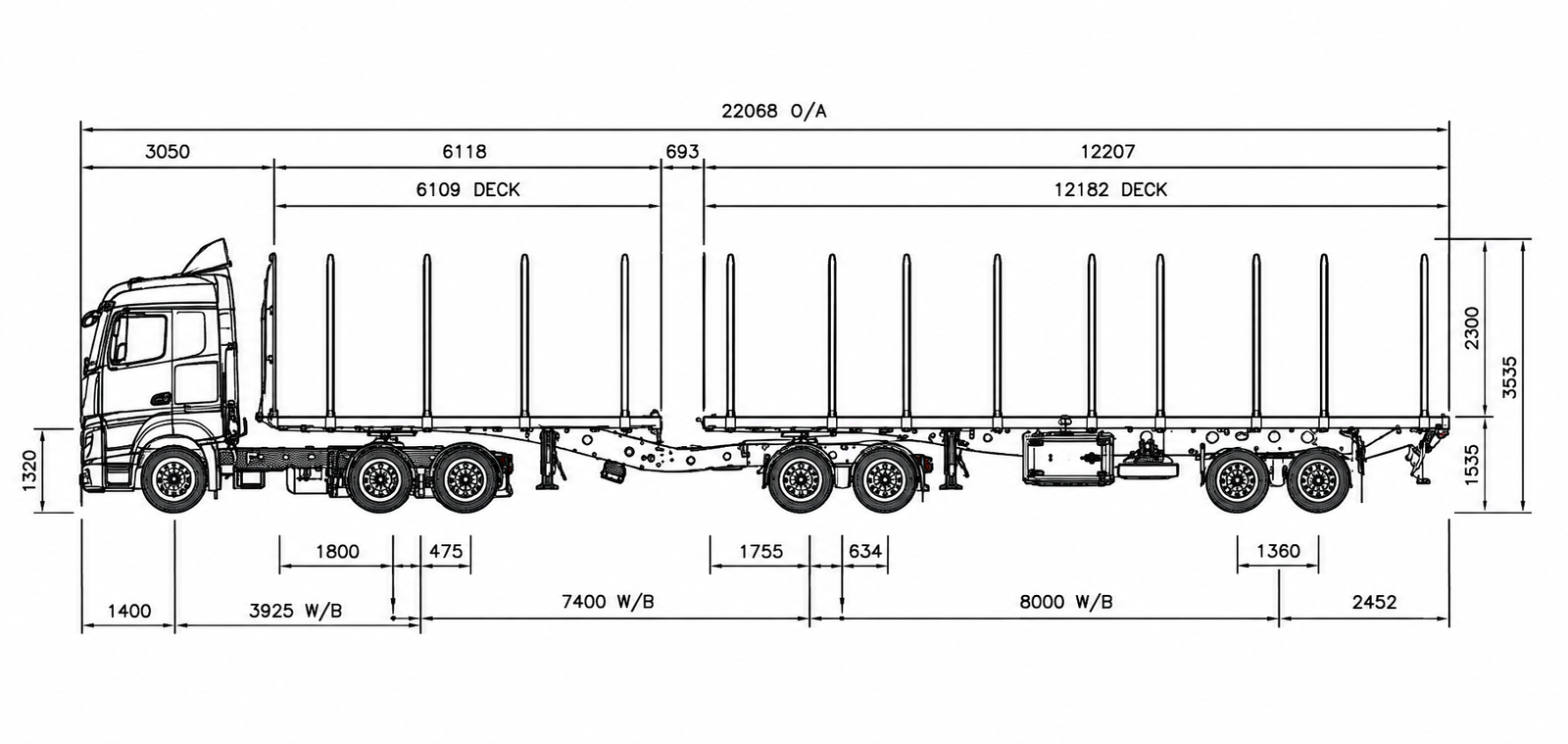
Flatbed trailers are widely used for machinery, steel, pipes, industrial equipment, crates, plant components, and oversized manufactured items. Their open platform makes them suitable for cargo that may need crane, forklift, or side loading.
Best suited for heavy, long, bulky, or irregular industrial loads that need open-platform transport.

Container trailers are commonly used for import and export movement where goods are packed into shipping containers. They support manufacturers that move cargo between factories, warehouses, dry ports, border points, and seaports.
Best suited for containerised industrial cargo moving locally, cross-border, or through port-linked routes.
Industrial manufacturing cargo often moves between factories, warehouses, suppliers, industrial hubs, border points, dry ports, seaports, and regional markets. These routes support raw material supply, finished goods distribution, imports, exports, and cross-border industrial trade.
Johannesburg → Beitbridge → Harare → Lusaka → Copperbelt
One of the most important regional trade routes linking South Africa, Zimbabwe, Zambia, and the Copperbelt. It supports industrial imports, manufactured goods, machinery, packaging, components, chemicals, spare parts, FMCG cargo, and regional distribution.
Harare → Mutare → Beira
Connects Zimbabwe to the Port of Beira in Mozambique. Useful for import and export cargo, containerised freight, raw materials, industrial machinery, packaging, chemicals, finished goods, and port-linked manufacturing supply chains.
Johannesburg / Gauteng → Maputo Port
Links South Africa's industrial regions to the Port of Maputo in Mozambique. Supports manufacturing cargo, industrial freight, cross-border supply, port-linked imports, exports, machinery, components, and regional distribution.
Zambia / Malawi / Mozambique → Nacala Port
Supports regional movement through Zambia, Malawi, and Mozambique, with access to the Port of Nacala. Can support industrial inputs, containerised goods, manufactured products, machinery, packaging, and regional import/export operations.
Factories → Warehouses → Distributors → Borders / Ports
Local industrial routes connect factories, suppliers, warehouses, distribution centres, industrial parks, wholesalers, retailers, border points, railheads, dry ports, and ports , including Harare, Bulawayo, Gweru, Mutare, Masvingo, Beitbridge, Kwekwe, Kadoma, Chinhoyi, and other industrial or manufacturing centres.
Industrial transport can support raw materials, finished goods, palletised products, machinery, packaging, chemicals, components, spare parts, containers, steel, pipes, fabricated items, crates, equipment, and general factory cargo.
Sliding curtain trailers are commonly used for palletised and packaged goods, flatbed trailers are used for machinery and irregular industrial loads, and container trailers are used for import/export container movement.
Sliding curtain trailers are suitable for palletised goods because they provide side access for loading and unloading while offering protection for packaged cargo during transport.
Flatbed trailers are suitable for machinery, steel, pipes, fabricated items, equipment, and other bulky or irregular industrial cargo that requires open-platform loading.
Container or skeletal trailers are suitable for containerised cargo moving between factories, warehouses, dry ports, border points, and seaports.
Yes. Local industrial routes can support movement between factories, suppliers, warehouses, distribution centres, industrial parks, wholesalers, retailers, border points, and dry ports.
Yes. Manufacturing cargo can move through regional corridors connecting Zimbabwe with South Africa, Mozambique, Zambia, Botswana, Malawi, and other SADC markets depending on cargo type, documentation, and route requirements.
Common industrial manufacturing corridors include the North–South Corridor, Beira Corridor, Maputo Corridor, and Nacala Corridor. These routes support raw material supply, finished goods distribution, imports, exports, and regional industrial trade.
Yes. Inbound manufacturing movement can include imported raw materials, machinery, packaging, spare parts, chemicals, and components. Outbound movement can include finished goods, manufactured products, containerised cargo, and regional distribution.
Yes. Manufacturing cargo may require loading plans, route checks, delivery scheduling, warehousing coordination, customs documentation, cargo protection, handling instructions, and careful planning around production timelines.
Important details include cargo type, weight, dimensions, packaging type, loading point, delivery point, preferred route, loading method, unloading method, handling requirements, documentation, and delivery timeline.


End-to-end freight, courier, warehousing, and cross-border support for every shipment.
Services