Logistics services
End-to-end freight, courier, warehousing, and cross-border support for every shipment.
Services
Heavy, abnormal, breakbulk, and out-of-gauge cargo moved with tailored planning, specialised equipment, and coordinated door-to-site delivery.
Oversized, heavy and out-of-gauge loads need more than a suitable trailer. They need the route, permits, loading method and site access resolved before the move begins.
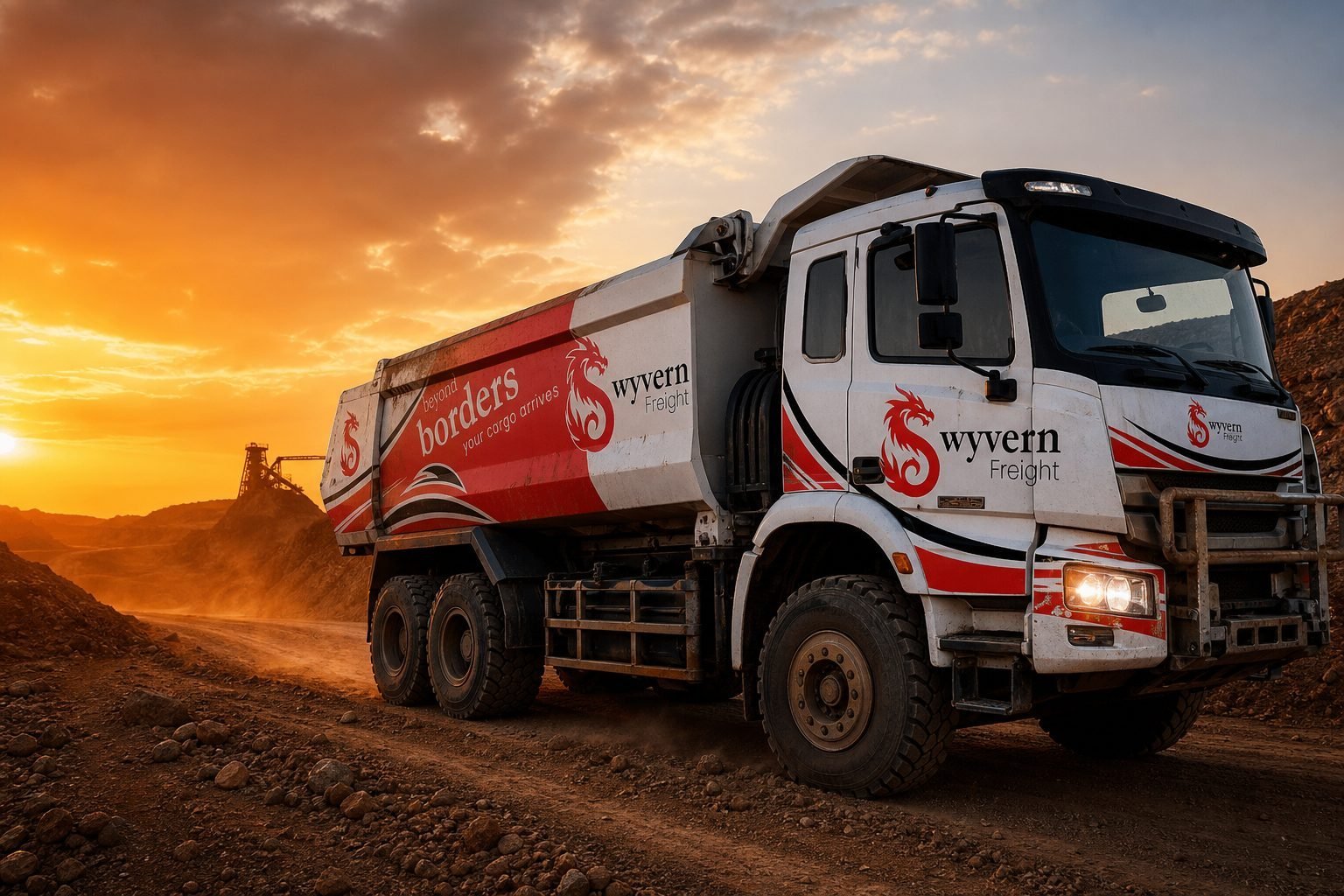
Wyvern Freight supports abnormal, breakbulk and project consignments across Zimbabwe and Southern Africa—from mining machinery and transformers to steel structures, generators and renewable-energy equipment.

From the first dimensions to the final site handover, one team owns the detail across the equipment, route, permissions and delivery sequence.
What your project gains // 4 planning stages
Dimensions, weight, loading method, road access and site conditions considered early.
The trailer, lifting method and securing approach match the cargo—not a standard template.
Route permissions, authority requirements and cross-border handovers are planned into the movement.
From port, supplier or border point through to the final project site and handover.
From a single abnormal load to full project consignments, we plan around the cargo’s dimensions, handling requirements and destination.
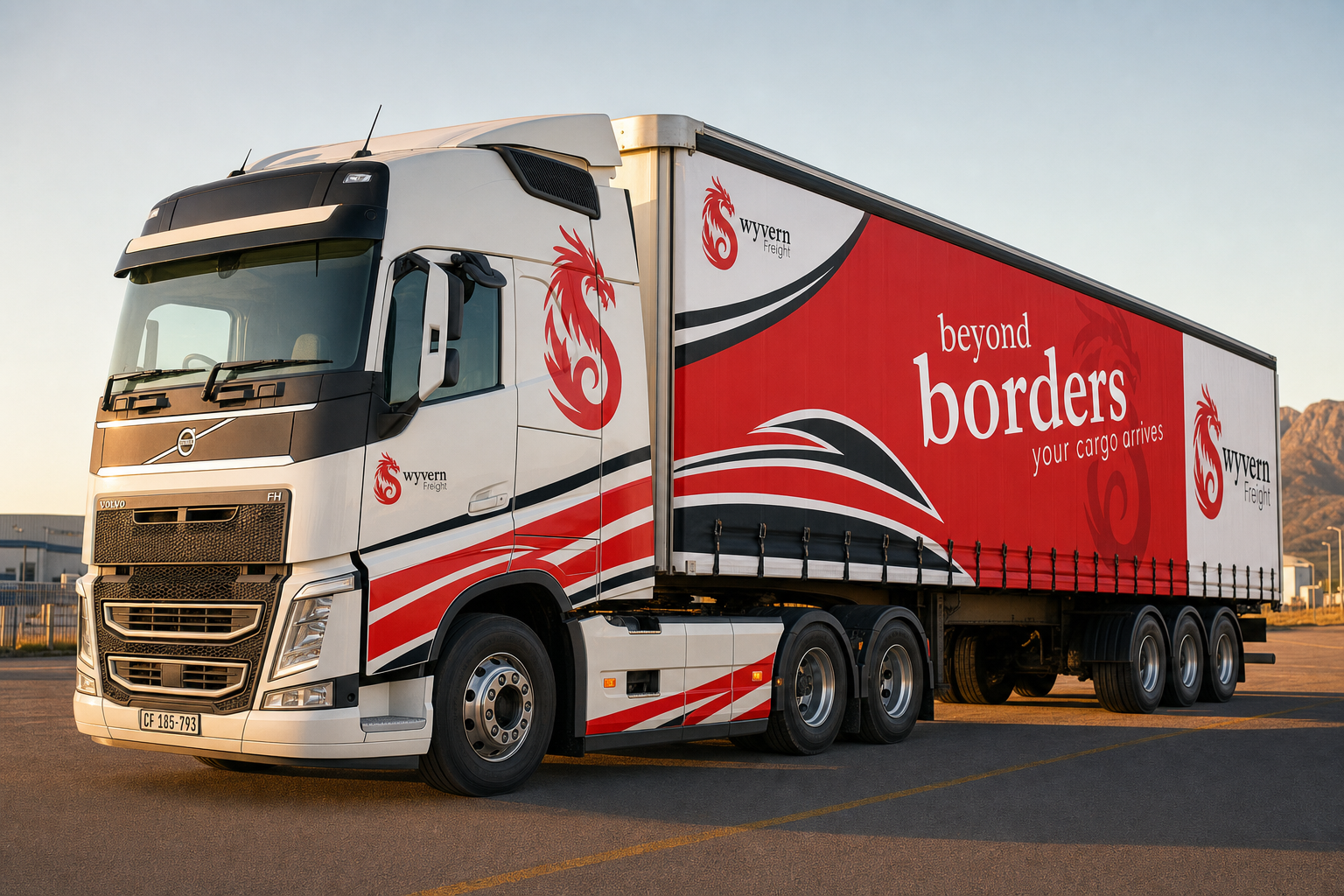
Send the cargo dimensions, weight, photos, loading point, delivery point, and preferred timeline. From there we review the route, equipment, permits, and handling requirements.
The right trailer or container depends on cargo size, weight, height, route, and loading method.
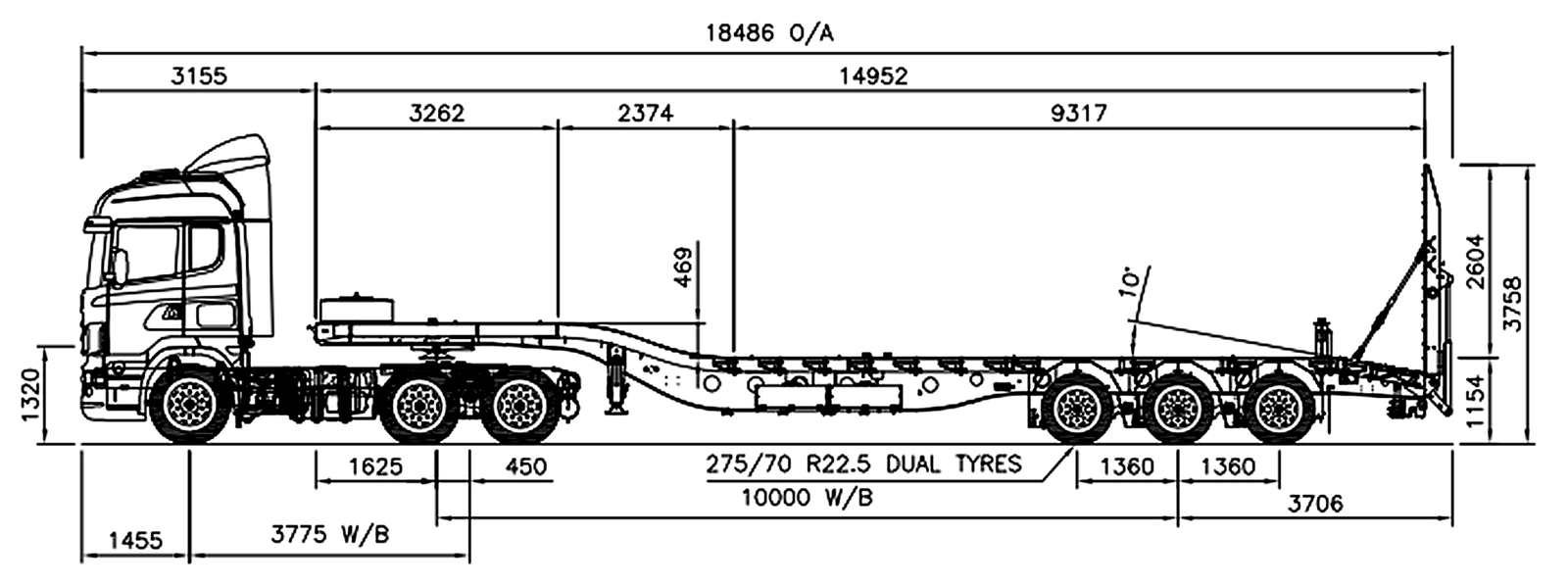
Lowbed trailers are commonly used for heavy, tall, or oversized equipment. Their low platform helps carry cargo that may be too high or too heavy for standard trailers.
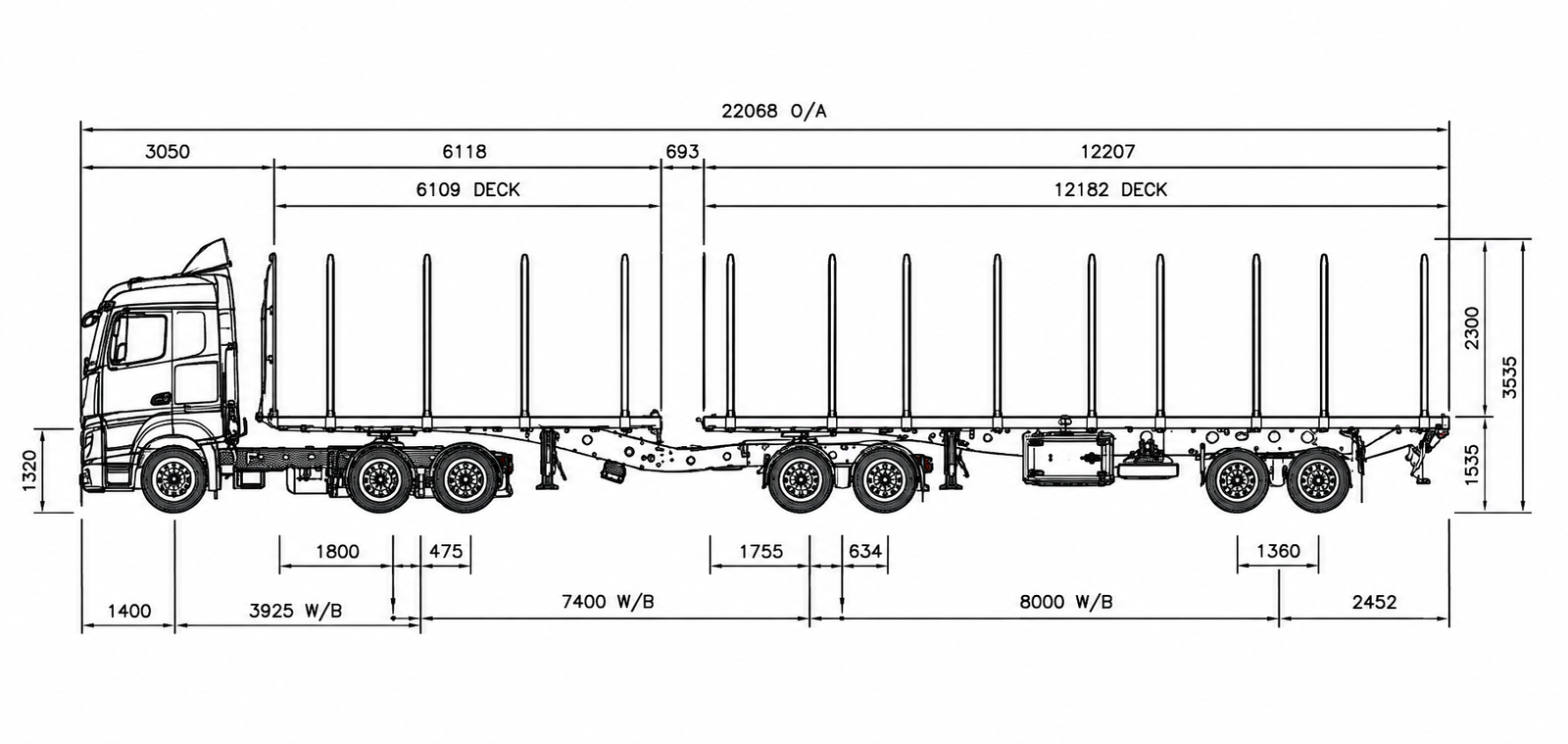
Flatbed trailers are used for cargo that needs open-platform loading. They suit steel structures, crates, machinery, project materials, pipes, frames, and irregular cargo.
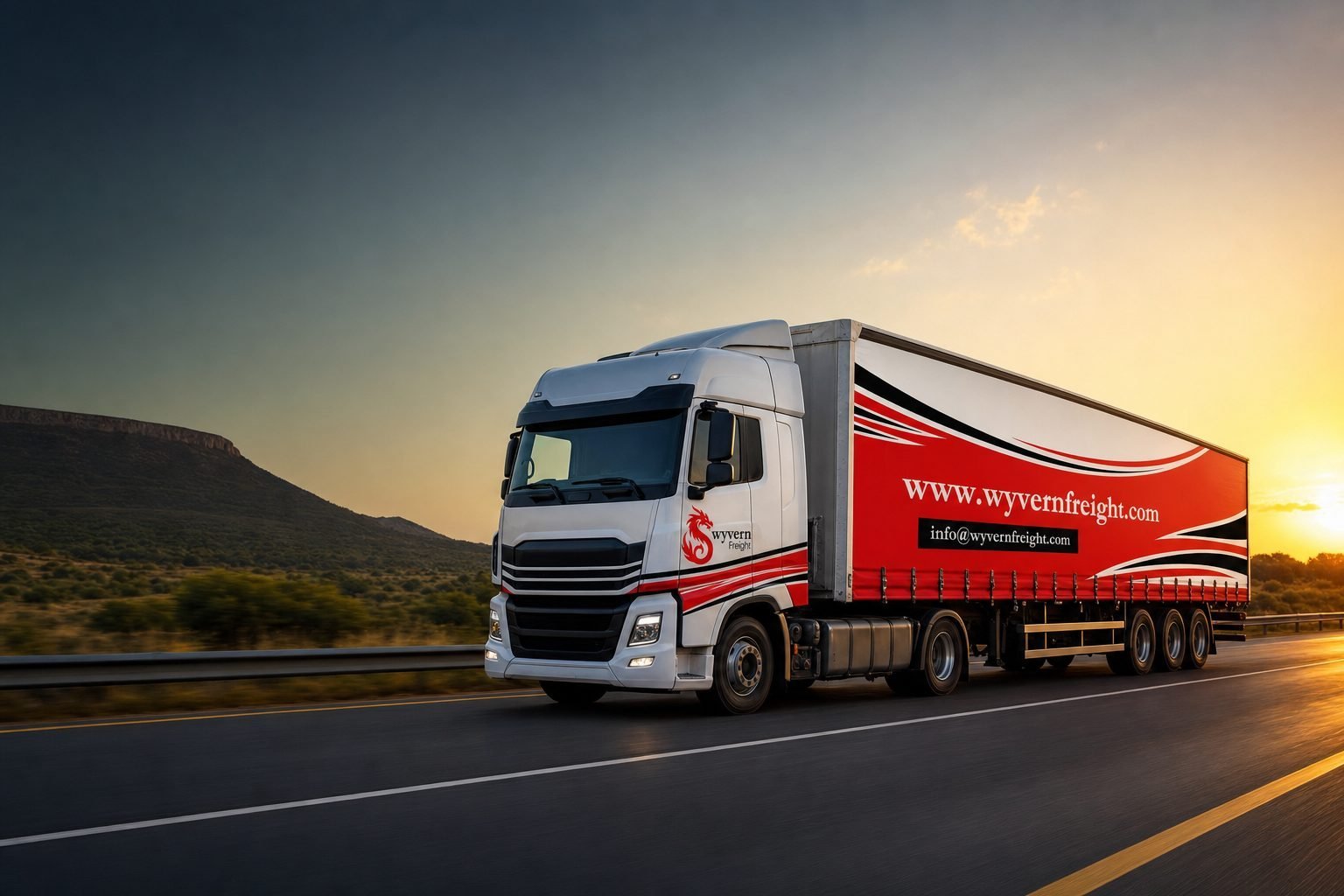
Extendable trailers use a telescopic deck or central spine to support structural steel, pipes, bridge components, wind-energy equipment and other cargo longer than a standard platform.
Multi-axle heavy-haul trailers distribute cargo weight across additional axle lines and can incorporate steerable axles, hydraulic suspension and adjustable ride height.
Interchangeable hydraulic platform modules can be coupled lengthwise or side by side to match cargo weight, dimensions and support positions.
Best suited for extremely heavy or unusually shaped cargo requiring a purpose-configured platform.
SPMT systems combine powered modular axle lines with electronically controlled steering for precise low-speed movement and positioning.
Best suited for extremely heavy loads requiring exceptional manoeuvrability and positioning accuracy.
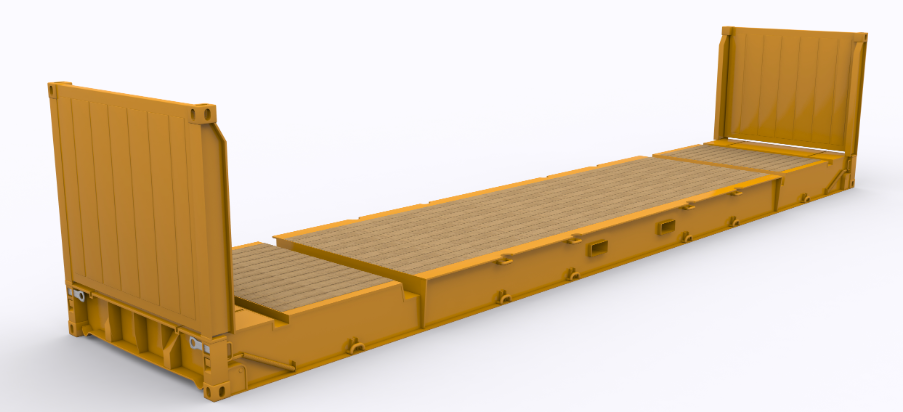
Designed for transporting heavy, oversized and irregular cargo, flat rack containers provide an open loading platform with reinforced flooring and fixed or collapsible end walls.
The open-sided design allows cargo to be loaded from the top or sides, making flat racks suitable for machinery, vehicles, industrial equipment, steel structures, pipes and project cargo that cannot fit inside a standard enclosed container.
Container dimensions and payload limits vary by manufacturer, shipping line and equipment type. Always confirm exact specifications and permitted load distribution before booking or loading.
Open-top containers use a removable roof covering and allow over-height machinery, stone, steel, timber and other heavy cargo to be loaded vertically by crane.
Breakbulk moves individual lifted pieces, while RoRo moves wheeled cargo or cargo carried on lowbeds, mafi trailers, roll trailers or modular transporters.
Best suited for cargo too large or heavy for practical containerisation.
Engineered lifting and transfer systems are selected from verified cargo weight, centre of gravity, lifting points, structural strength and site conditions.
Best suited for loading, unloading, transferring and positioning heavy or oversized cargo.
Cargo securing is engineered for the forces expected during road, sea or multimodal transport and considers weight, centre of gravity, friction, acceleration forces and lashing geometry.
Project cargo is large, heavy, complex, high-value, or specialised cargo that needs detailed transport planning. It is common in mining, construction, energy, industrial, telecom, infrastructure, and public-sector projects.
Project cargo is needed when cargo is too large, too heavy, too complex, or too sensitive for normal transport. This may include machinery, transformers, generators, tanks, steel structures, mining equipment, construction equipment, or renewable energy components.
Out-of-gauge cargo is cargo that does not fit within standard container or trailer dimensions. It may be too long, wide, high, or heavy and may need specialised equipment such as lowbeds, flat racks, open-top containers, or extendable trailers.
Breakbulk cargo is cargo moved as individual pieces rather than inside a standard container. This may include machinery, tanks, crates, steel components, plant equipment, and oversized project materials.
The best trailer depends on cargo size, weight, height, route, and loading method. Lowbed trailers are common for heavy machinery, flatbeds for steel and equipment, extendable trailers for long cargo, and flat racks or open-top containers for port-linked out-of-gauge cargo.
Yes. Oversized, abnormal, or heavy cargo may require route checks, permits, escorts, police or road authority notifications, border planning, and special delivery coordination depending on the route and cargo dimensions.
Some project cargo movements may require route surveys to check bridges, height restrictions, turning points, narrow roads, border facilities, site access, and unloading areas.
Yes. Project cargo can move across borders depending on documentation, permits, route access, customs requirements, equipment availability, and destination requirements.
Yes. Port-linked project cargo can move through regional ports such as Beira, Maputo, Durban, Nacala, and other suitable ports depending on the origin, destination, vessel options, and inland route planning.
Yes. Project cargo can be planned from port, warehouse, factory, supplier, or border point through to the final project site, depending on cargo type, route, and site access.
Important details include cargo type, weight, length, width, height, loading point, delivery point, photos, lifting points, loading method, unloading method, route, delivery timeline, and any special handling requirements.
Photos help assess cargo shape, lifting points, packaging, securing points, height, width, length, and whether special handling or equipment may be needed.
Yes. Renewable energy project cargo can include solar panels, mounting structures, inverters, transformers, battery systems, wind components, hydro equipment, cables, and steel structures.
Yes. Mining project cargo can include excavators, loaders, bulldozers, drilling rigs, crushers, screens, generators, compressors, containers, and oversized mining machinery.
Yes. Construction project cargo can include graders, rollers, cranes, excavators, bulldozers, pavers, compressors, precast components, steel structures, and site equipment.
Normal freight usually follows standard loading, trailer, and route requirements. Project cargo needs more planning because the cargo may be oversized, heavy, sensitive, abnormal, high-value, or difficult to handle.
Start by sending the cargo dimensions, weight, photos, loading point, delivery point, preferred timeline, and any site access details. From there, the route, equipment, permits, and handling requirements can be reviewed. Contact us.


End-to-end freight, courier, warehousing, and cross-border support for every shipment.
Services