Equipment profile & condition review
Review dimensions, weight, fragility, packaging, lifting points, and any special handling requirements.
Solar components, transformers, battery storage, and project cargo moved from port and supplier to project site.
Renewable energy equipment is high-value, project-specific, and often fragile or oversized. Its movement needs a plan that protects the component and supports the installation schedule.
We connect suppliers, ports, warehouses, border points, and project sites with practical logistics matched to the equipment, route, access conditions, and handover sequence.
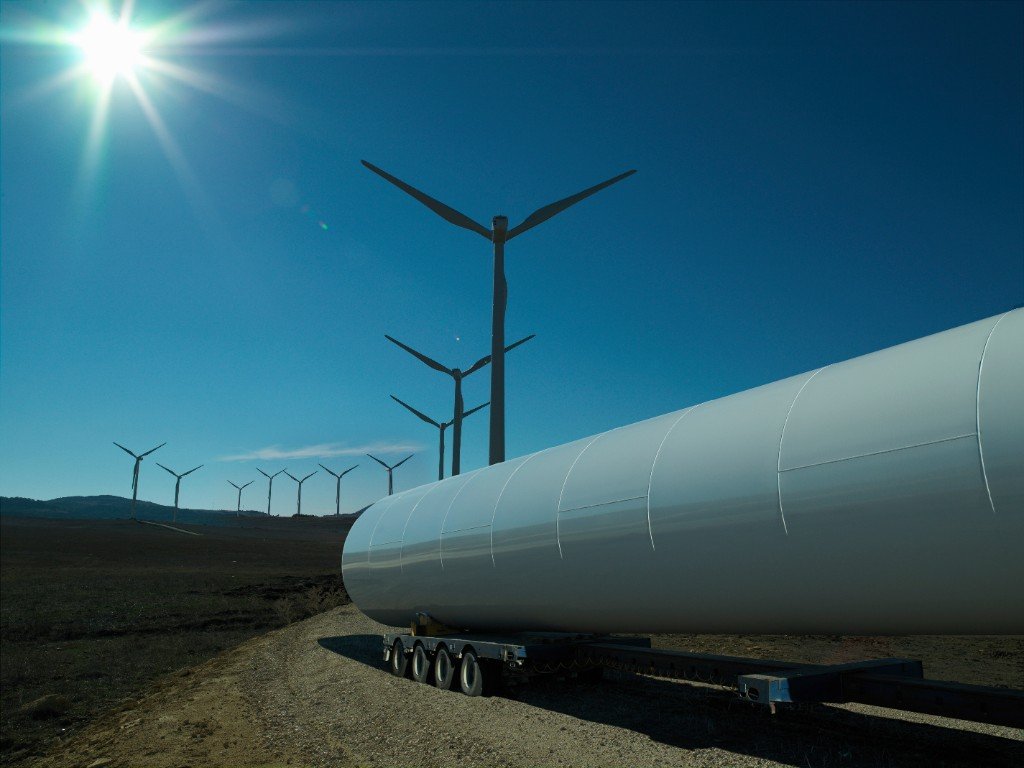
We work through the practical details early so equipment, access, handling, and project sequencing stay aligned from collection through to installation.
Review dimensions, weight, fragility, packaging, lifting points, and any special handling requirements.
Check the route, permits, delivery windows, site access, and conditions around the final installation point.
Match the transport equipment, loading method, restraint, and protection to the project cargo.
Deliver in the right order, at the right point, with a controlled handover that supports site progress.
Our planning connects the key equipment categories, supply points, and project environments that make renewable energy delivery work.
Panels, frames, structures, and associated equipment handled with appropriate protection.
Project components planned around their packaging, condition, and site delivery sequence.
Heavy and specialist equipment assessed for practical handling and movement requirements.
Connected movement from incoming supply points through to installation locations.
Send the equipment list, dimensions, weights, collection point, delivery site, project schedule, and any access, lifting, or handling requirements.
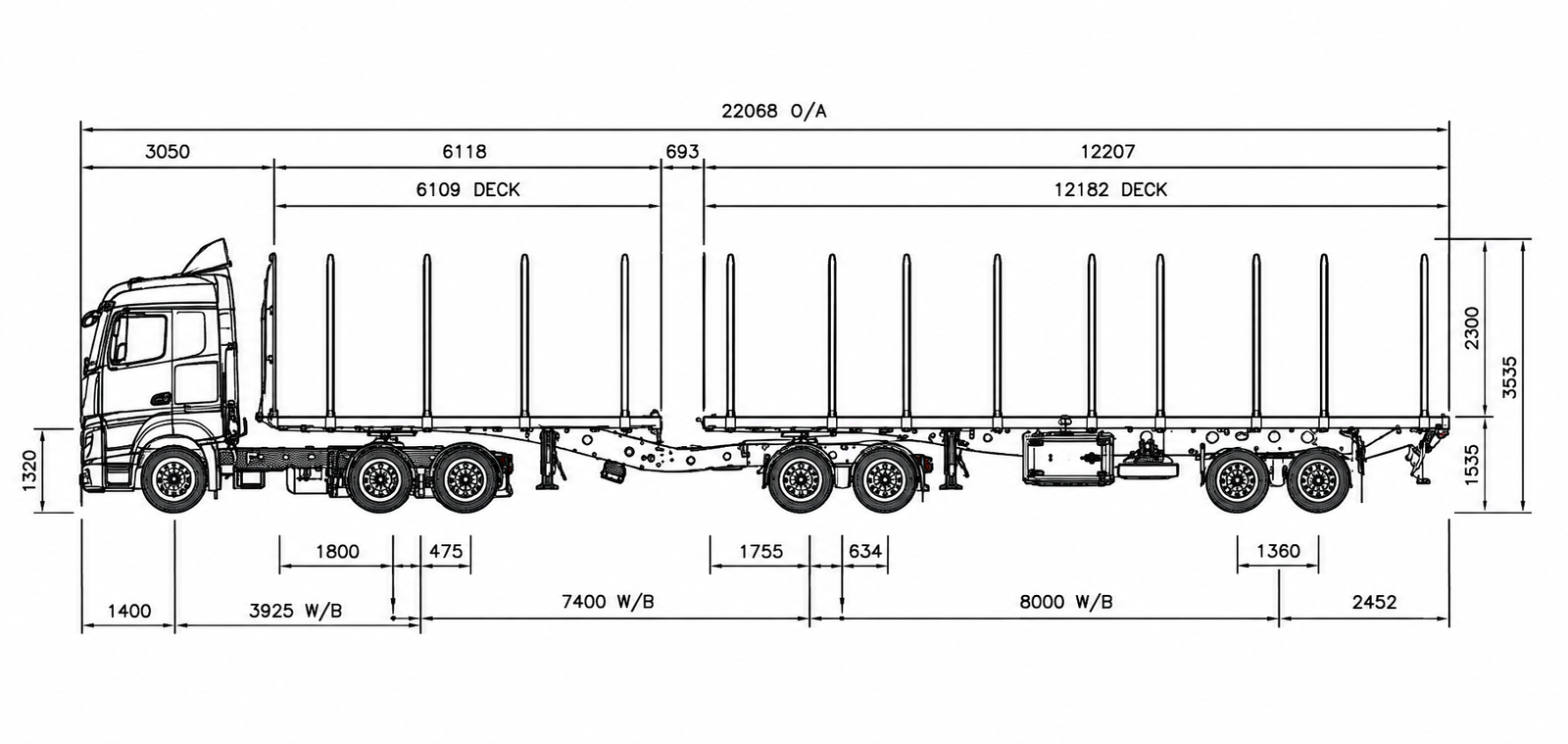
Flatbed trailers are commonly used for solar mounting structures, steel frames, cables, pallets, crates, site materials, and general renewable energy equipment. Their open platform allows crane, forklift, and side loading, making them useful for project cargo and construction-style deliveries.
Best suited for steel structures, palletised equipment, crates, cables, and irregular renewable energy cargo that requires open-platform loading.
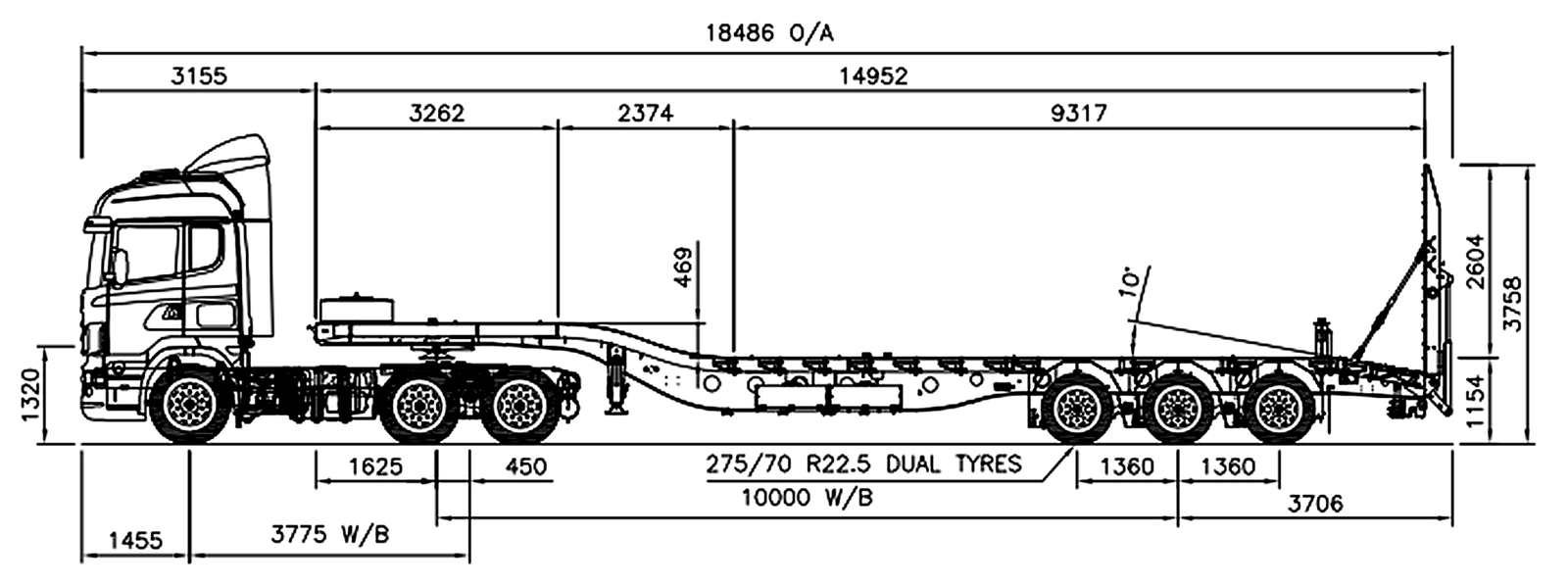
Lowbed trailers are used for heavy or oversized renewable energy equipment such as transformers, substations, battery storage units, generators, large inverters, wind components, and heavy project cargo. Their low deck height makes them suitable for tall or heavy loads that require stable transport.
Best suited for heavy, tall, oversized, or abnormal renewable energy equipment that requires stable low-platform transport.

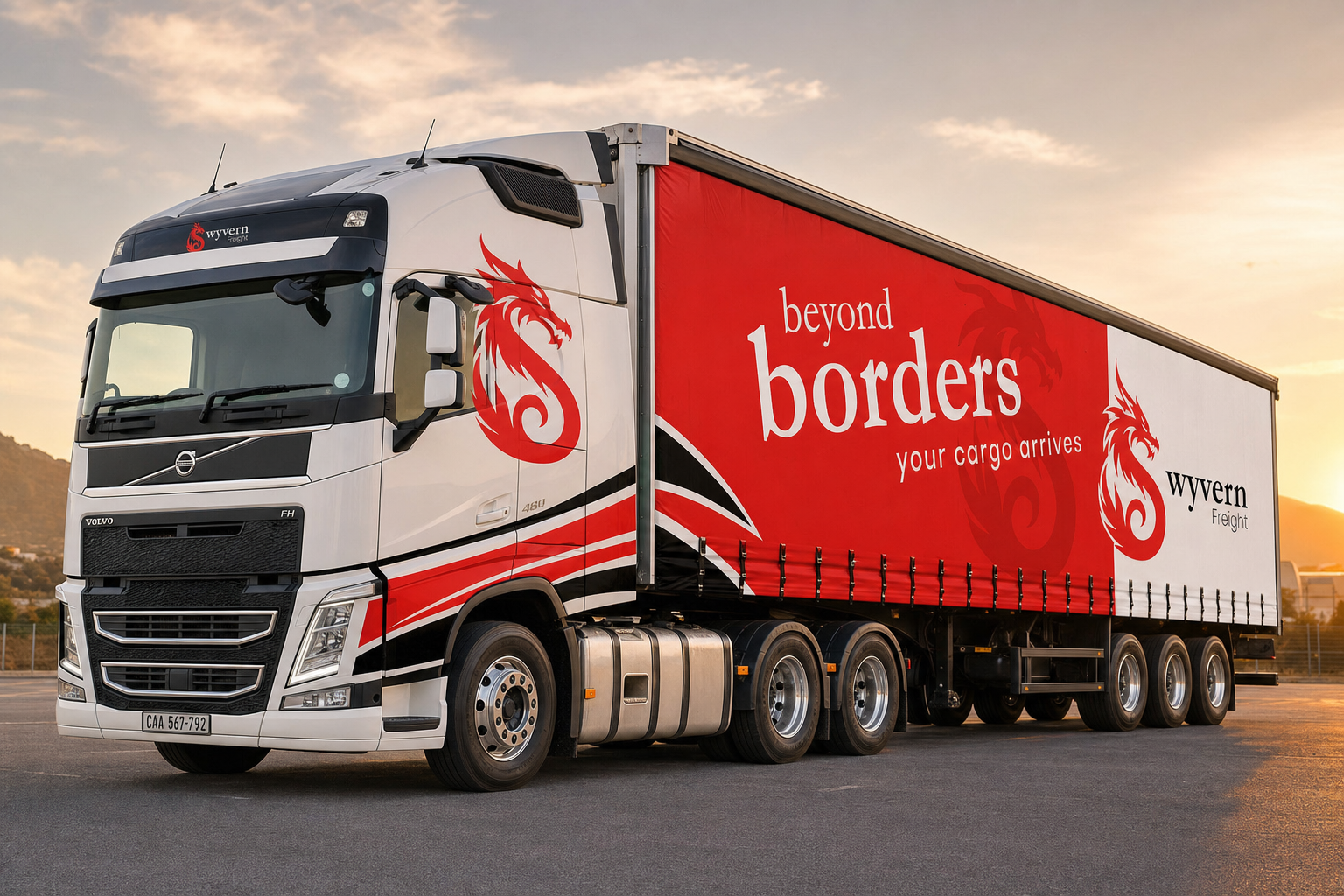
Container or skeletal trailers are commonly used for imported renewable energy equipment packed into shipping containers. This can include solar panels, inverters, batteries, cables, electrical components, mounting kits, and project materials.
Best suited for containerised renewable energy equipment, imported project cargo, and port-linked deliveries.
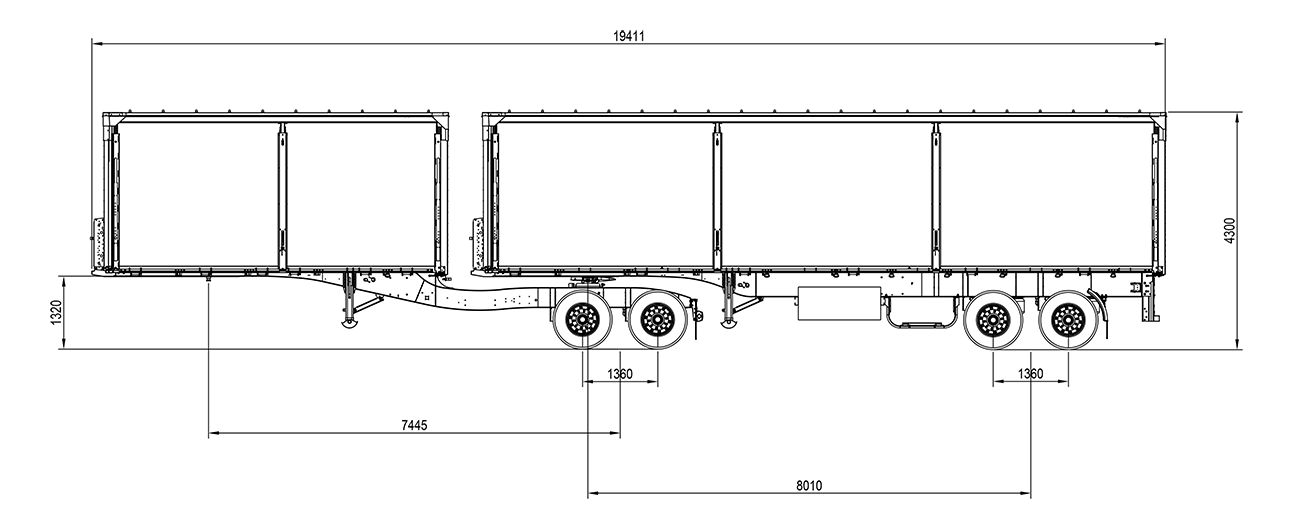
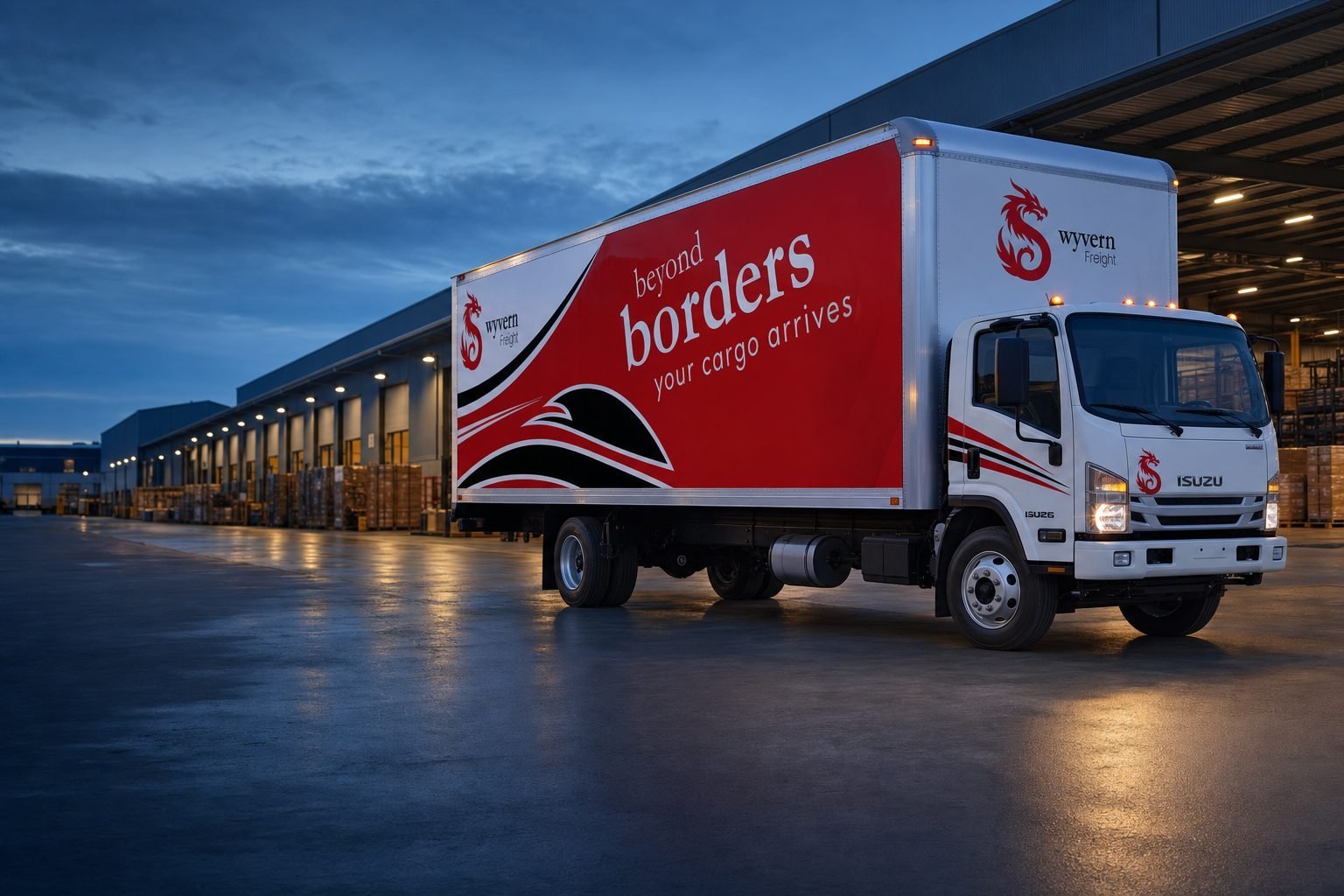
Enclosed trailers can be used for high-value, fragile, or weather-sensitive renewable energy cargo such as solar panels, control systems, inverters, monitoring equipment, smaller batteries, and delicate electrical components.
Best suited for fragile, high-value, packaged, or weather-sensitive renewable energy cargo that requires additional protection.
Beira Port → Mutare → Harare → Project Sites
Connects Zimbabwe to the Port of Beira in Mozambique and is useful for imported renewable energy equipment, solar components, containers, electrical equipment, steel structures, and project cargo moving into Zimbabwe and surrounding markets.
Johannesburg → Beitbridge → Harare → Lusaka → Copperbelt
Supports renewable energy cargo moving between South Africa, Zimbabwe, Zambia, and the Copperbelt. Useful for solar panels, inverters, batteries, transformers, cables, steel structures, project equipment, and regional energy infrastructure supply.
Johannesburg / Gauteng → Maputo Port
Links South Africa's industrial regions to the Port of Maputo in Mozambique. Supports renewable energy imports, exports, industrial equipment, project cargo, solar components, electrical systems, and regional logistics.
Nacala Port → Malawi / Zambia / Mozambique
Supports regional cargo movement through Mozambique, Malawi, and Zambia. Can support solar equipment, electrical infrastructure, battery systems, containers, and project cargo for regional renewable energy development.
Warehouses / Borders → Solar Farms → Commercial Sites → Infrastructure Projects
Local renewable energy routes connect ports, border points, warehouses, industrial hubs, EPC contractors, solar project sites, commercial installations, telecom sites, farms, mines, water infrastructure, and public-sector energy projects.
Renewable energy cargo may include solar panels, mounting structures, inverters, transformers, batteries, battery energy storage systems, cables, control systems, steel frames, containers, substations, wind components, hydro equipment, and project cargo.
Flatbed trailers are commonly used for steel structures and project materials, lowbed trailers are used for heavy transformers and oversized equipment, container or skeletal trailers are used for imported containerised cargo, and enclosed trailers can be used for fragile or weather-sensitive equipment.
Container trailers or enclosed trailers are suitable for solar panels, depending on packaging and movement type. Container trailers are useful for imported solar panels, while enclosed trailers can support protected local deliveries.
Lowbed trailers are suitable for heavy transformers, substations, containerised battery energy storage systems, and oversized electrical equipment that require stable low-platform transport.
Flatbed trailers are suitable for solar mounting structures, steel frames, cables, crates, pallets, and other bulky renewable energy project materials.
Yes. Renewable energy cargo may require route checks, permits, crane or forklift planning, cargo securing, weather protection, site access checks, border documentation, delivery sequencing, and careful handling to avoid damage.
Yes. Local routes can support delivery from warehouses, border points, suppliers, and distribution centres to solar farms, commercial installations, mining sites, farms, telecom sites, industrial facilities, and infrastructure projects.
Yes. Renewable energy cargo can move through regional corridors connecting Zimbabwe with South Africa, Mozambique, Zambia, Malawi, Botswana, and other SADC markets, depending on cargo type, documentation, and project requirements.
Common renewable energy corridors include the Beira Corridor, North–South Corridor, Maputo Corridor, and Nacala Corridor. These routes support imported equipment, project cargo, solar components, batteries, transformers, and regional energy infrastructure movement.
Important details include cargo type, weight, dimensions, packaging, fragility, loading point, delivery point, route, loading method, unloading method, site access conditions, equipment requirements, documentation, and delivery timeline.


End-to-end freight, courier, warehousing, and cross-border support for every shipment.
Services