Stock, packaging & condition review
Review the product type, packaging, quantities, protection needs, and any presentation-sensitive requirements.
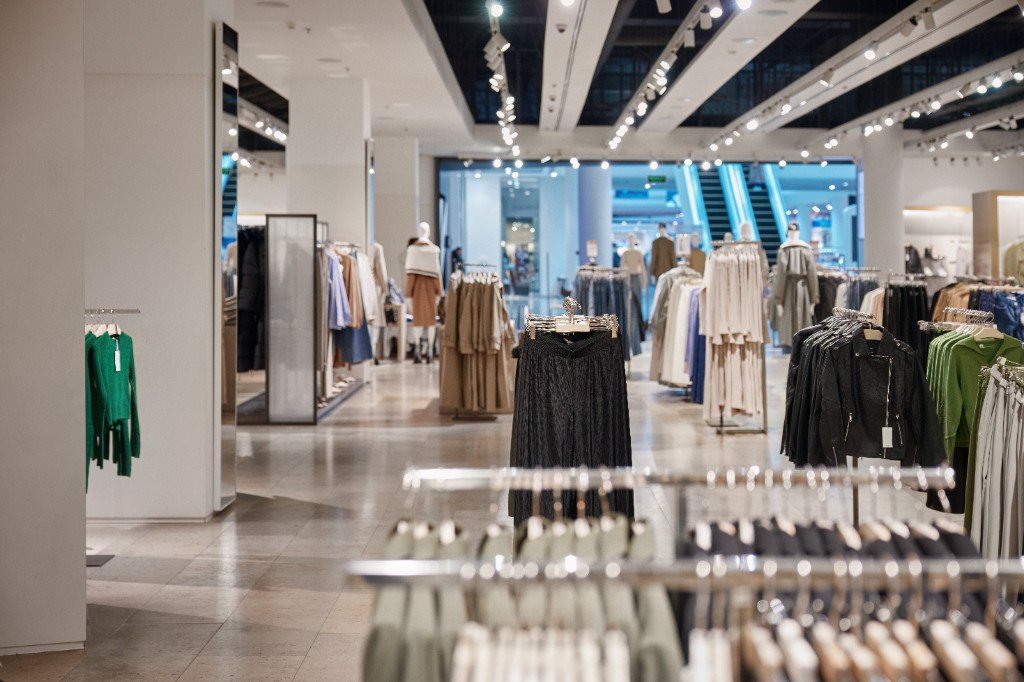
Clothing, footwear, store fixtures, and containerised stock moved from supplier and port to warehouse, store, and customer.
Retail and fashion stock is seasonal, presentation-sensitive, and often time-critical. The movement plan has to protect the products while meeting the delivery window that the store, fulfilment hub, or customer needs.
We connect suppliers, ports, warehouses, boutiques, malls, e-commerce fulfilment points, and customers with accountable movement from incoming stock through to final handover.
We plan the details that keep stock protected, visible, and ready for the next warehouse, store, fulfilment point, or customer.
Review the product type, packaging, quantities, protection needs, and any presentation-sensitive requirements.
Align collection, route, store access, delivery slots, and the timing that keeps replenishment on track.
Match vehicle, security, cargo handling, and protection to the stock and the delivery environment.
Complete a clear, retail-ready handover at the warehouse, shop, mall, fulfilment hub, or final customer.
Our planning supports the product categories, distribution points, and supply paths that keep retail and fashion operations moving.
Presentation-sensitive stock planned around protection, timing, and retail-ready delivery.
Specialist and seasonal products supported through their collection and distribution cycle.
Connected movement to the real locations where stock is stored, sold, and dispatched.
Practical support for inbound stock, regional movement, reverse logistics, and returns flows.
Send the stock type, volume, packaging, collection point, delivery locations, required dates, and any access, security, or handling requirements.
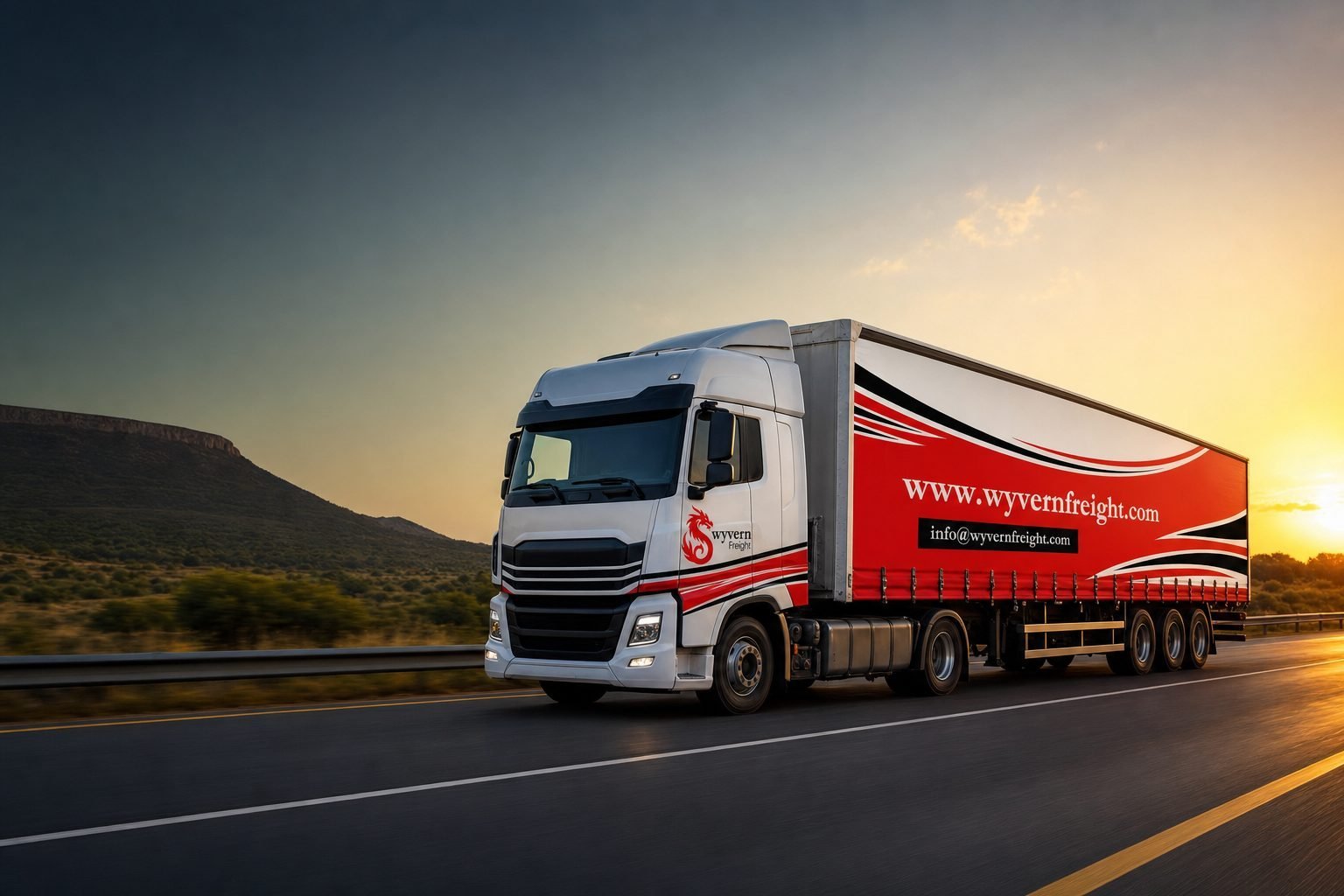
Enclosed trailers are commonly used for clothing, footwear, accessories, cosmetics, cartons, branded merchandise, samples, store fittings, and high-value retail stock. They help protect cargo from dust, rain, handling damage, and visibility during transit.
Best suited for high-value, packaged, branded, or presentation-sensitive retail cargo that requires protected movement.
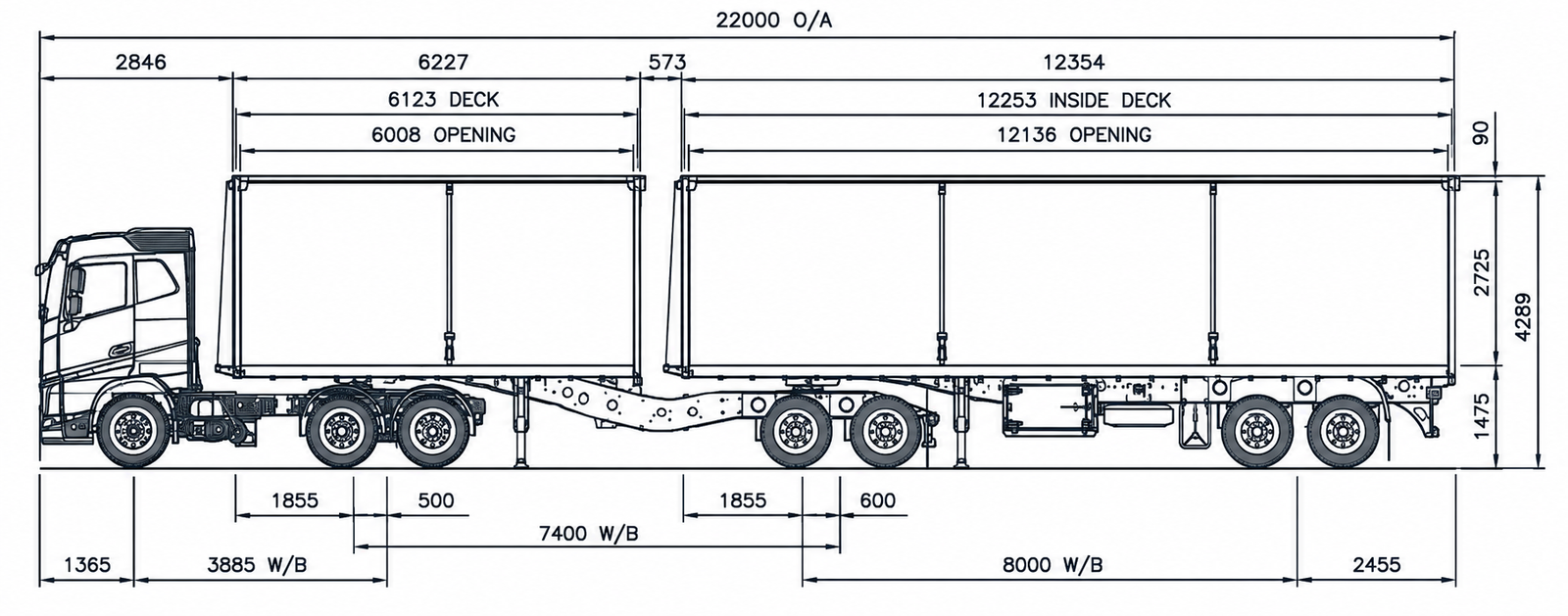
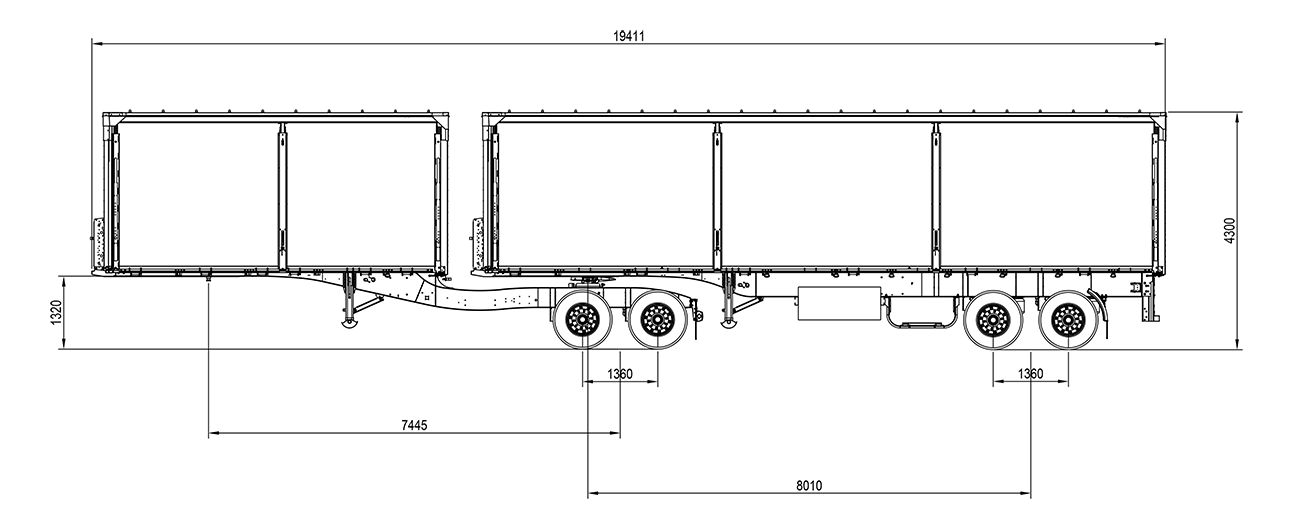
Sliding curtain trailers are useful for palletised retail stock, cartons, textiles, packaged goods, FMCG-style retail cargo, and larger warehouse-to-store deliveries. Their side access allows faster loading and unloading at warehouses, depots, and distribution centres.
Best suited for palletised, cartonised, or high-volume retail cargo that needs efficient access and cargo protection.

Container or skeletal trailers are commonly used for imported fashion stock, textiles, footwear, accessories, cosmetics, and retail goods packed into shipping containers. They support port-linked and cross-border retail supply chains.
Best suited for containerised retail cargo, imported stock, export shipments, and regional supply movement.
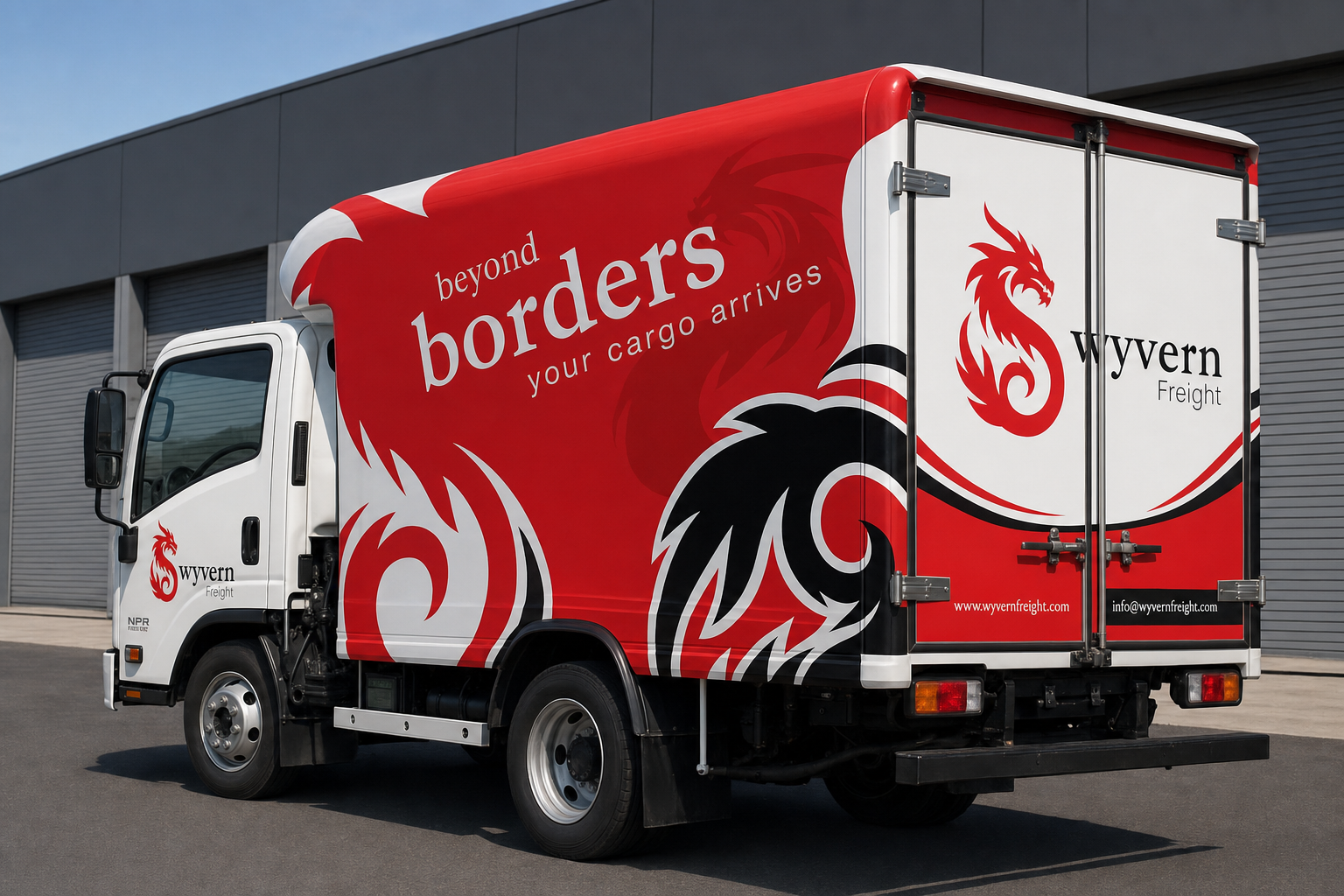
Small rigid trucks are useful for final-mile retail deliveries, shopping centre deliveries, boutique deliveries, e-commerce parcels, small cartons, and scheduled store replenishment. They are practical where large trailers cannot access delivery points easily.
Best suited for short-distance retail distribution, urban deliveries, and smaller delivery points with limited access.
Johannesburg / Durban / Gauteng → Beitbridge → Harare / Bulawayo
One of the most important retail and fashion supply routes into Zimbabwe, supporting clothing, footwear, cosmetics, accessories, textiles, store fittings, promotional materials, and general retail goods.
Beira Port → Mutare → Harare
Supports port-linked retail and fashion cargo moving through Mozambique into Zimbabwe. Can support imported stock, containerised goods, textiles, accessories, cartons, retail fixtures, and distribution cargo.
Johannesburg / Gauteng → Maputo Port
Supports retail and fashion cargo moving between South Africa's industrial and consumer markets and the Port of Maputo. Can support containerised cargo, imported stock, regional distribution, and export movement.
Johannesburg → Beitbridge → Harare → Lusaka → Copperbelt
Supports retail and fashion movement between South Africa, Zimbabwe, Zambia, and the Copperbelt. Useful for regional retail stock, clothing, footwear, cosmetics, packaged goods, promotional rollouts, and cross-border distribution.
Warehouses → Stores → Malls → Boutiques → Customers
Local retail routes connect warehouses, wholesalers, shopping centres, boutiques, supermarkets, department stores, fashion outlets, e-commerce fulfilment points, courier hubs, and customer delivery locations across Harare, Bulawayo, Gweru, Mutare, Masvingo, Victoria Falls, Beitbridge, and other commercial centres.
Retail and fashion cargo may include clothing, footwear, textiles, accessories, cosmetics, handbags, cartons, pallets, store fixtures, display materials, mannequins, promotional items, imported stock, e-commerce parcels, and containerised goods.
Enclosed trailers are commonly used for protected fashion cargo, sliding curtain trailers are used for palletised and cartonised goods, container or skeletal trailers are used for imported stock, and small rigid trucks are used for urban and final-mile deliveries.
Enclosed or box trailers are suitable for clothing, footwear, accessories, branded merchandise, samples, and high-value fashion cargo because they help protect cargo from weather, dust, visibility, and handling damage.
Sliding curtain trailers are suitable for palletised and cartonised retail cargo because they allow faster side loading and unloading at warehouses, depots, and distribution centres.
Container or skeletal trailers are suitable for imported fashion stock, footwear, textiles, accessories, cosmetics, and other retail goods moving in shipping containers.
Small rigid or distribution trucks are suitable for deliveries to malls, boutiques, stores, urban retail points, e-commerce customers, and locations where large trailers may not have easy access.
Yes. Retail and fashion cargo may require delivery windows, stock security, packaging checks, cargo protection, store access planning, customs documentation, warehouse coordination, stock sequencing, and returns planning.
Yes. Local routes can support movement between warehouses, wholesalers, shopping centres, boutiques, supermarkets, fashion outlets, courier hubs, e-commerce fulfilment points, and customer delivery locations.
Yes. Retail and fashion cargo can move through regional corridors connecting Zimbabwe with South Africa, Mozambique, Zambia, Botswana, Malawi, and other SADC markets, depending on cargo type, documentation, and route requirements.
Common retail and fashion corridors include South Africa to Beitbridge to Zimbabwe, the Beira Corridor, the Maputo Corridor, and the North–South Corridor. These routes support imported stock, regional distribution, e-commerce supply chains, and retail replenishment.
Important details include cargo type, carton count, pallet count, weight, packaging type, value, loading point, delivery point, delivery window, route, handling instructions, documentation, and whether the cargo requires enclosed, containerised, or final-mile delivery.


End-to-end freight, courier, warehousing, and cross-border support for every shipment.
Services