Equipment profile & protection review
Review value, dimensions, packaging, fragility, security, handling, and installation requirements.

IT hardware, electronics, data centre equipment, and containerised tech cargo moved from port and supplier to site.
Technology cargo is valuable, fragile, security-sensitive, and often critical to the next installation, rollout, office, retail environment, or data facility. Its movement needs control from collection to handover.
We connect suppliers, warehouses, ports, borders, project sites, retail networks, and technology facilities with logistics built around asset protection and a clear delivery plan.

We align the profile, security, route, handling, access, and handover requirements that keep sensitive technology cargo protected through every stage.
Review value, dimensions, packaging, fragility, security, handling, and installation requirements.
Plan secure movement, access conditions, delivery windows, documentation, and the final receiving environment.
Match the vehicle, cargo protection, restraint, loading approach, and handling controls to the equipment.
Complete a controlled delivery to the office, store, school, data facility, project team, or final customer.
Our planning supports the devices, infrastructure, supply points, and technical destinations that keep digital operations moving.
High-value end-user equipment handled with protection, security, and accountable delivery.
Infrastructure equipment planned around its physical requirements and delivery sequence.
Connected delivery to the teams, locations, and projects where technology must be ready to use.
Practical movement from regional supply points through to secure technical facilities.
Send the equipment list, quantities, dimensions, collection point, receiving site, required date, and any packaging, security, access, or handling requirements.
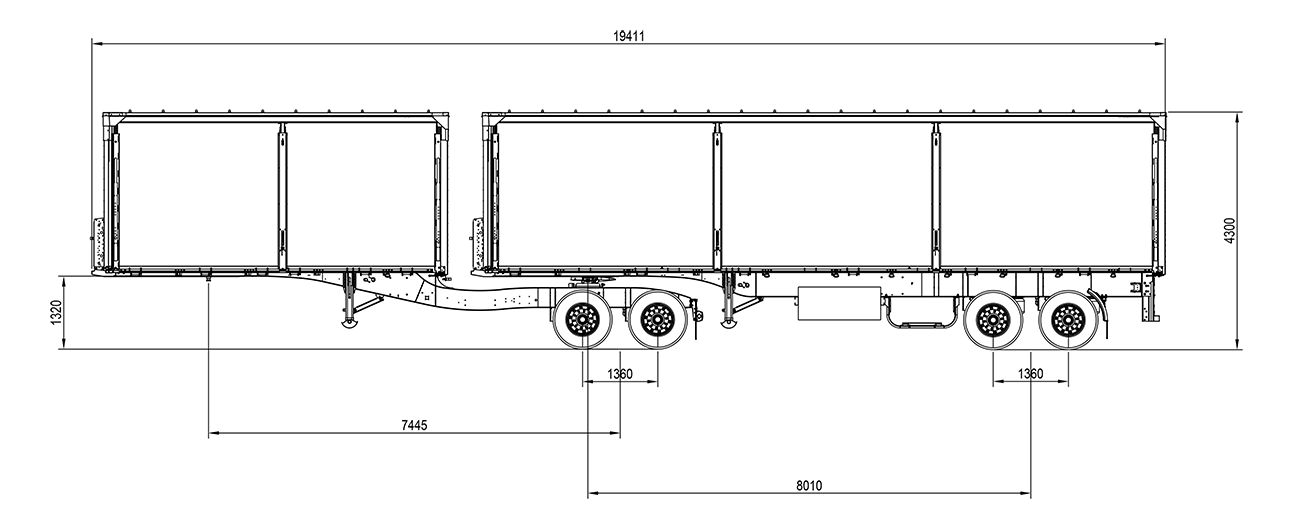
Enclosed trailers are commonly used for laptops, desktops, screens, printers, electronics, routers, switches, POS systems, CCTV equipment, access control systems, cartons, and high-value packaged technology cargo. They help protect cargo from dust, rain, visibility, and handling damage.
Best suited for high-value, fragile, packaged, or security-sensitive technology cargo that requires protected movement.

Container or skeletal trailers are commonly used for imported technology equipment packed into shipping containers. This may include electronics, IT hardware, servers, accessories, cables, office equipment, smart devices, and project stock.
Best suited for containerised technology cargo, imported IT stock, electronics, accessories, and port-linked deliveries.
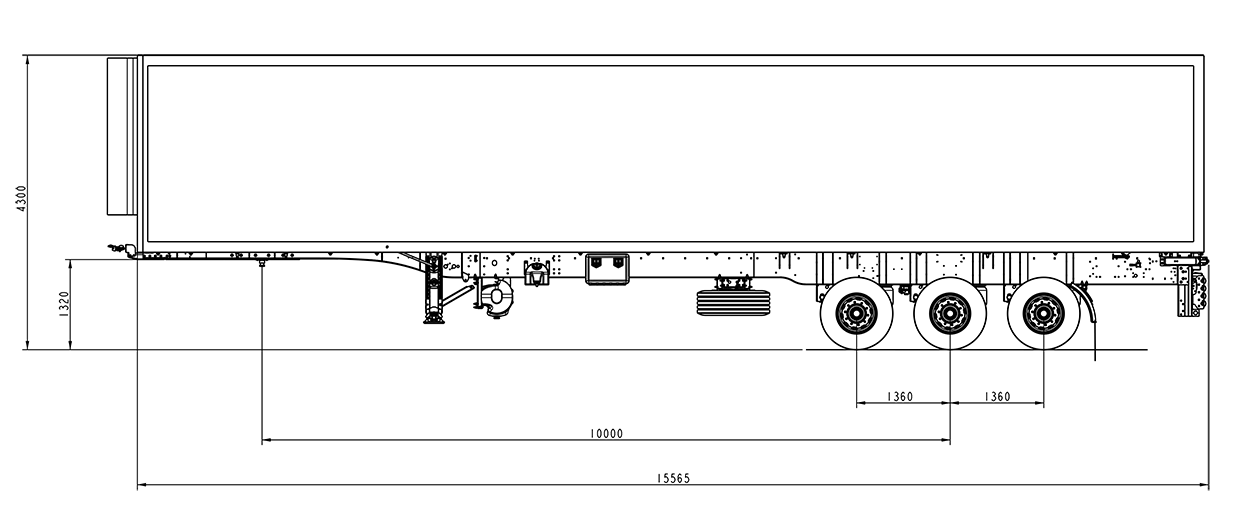
Temperature-controlled trailers can be used for sensitive electronics, specialised batteries, certain laboratory technology, high-value equipment, and cargo that needs stable transport conditions. This depends on the product's handling instructions and manufacturer requirements.
Best suited for technology cargo that has temperature, humidity, or handling sensitivity based on product requirements.
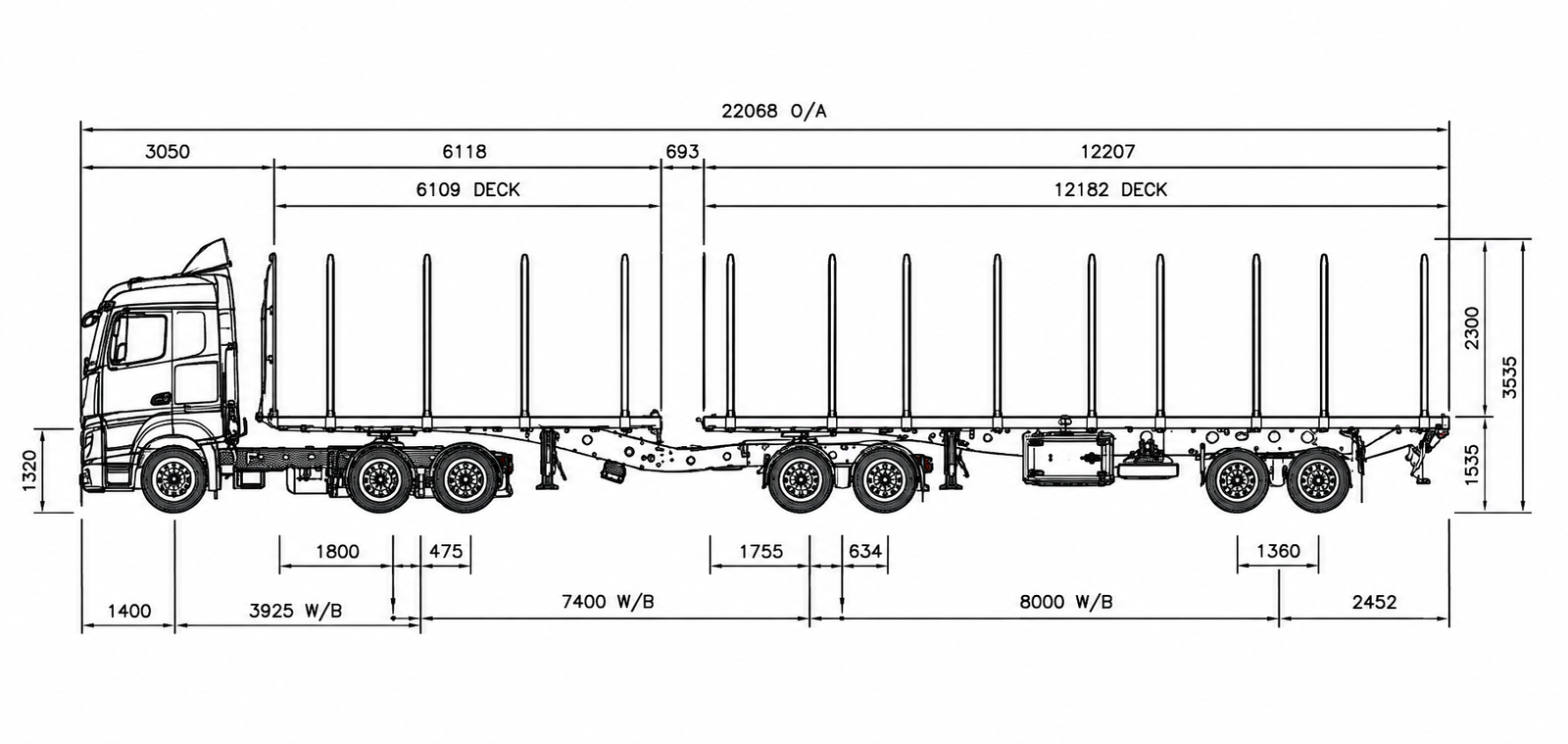
Open-platform transport for cabinets, server-room infrastructure, prefabricated ICT units, containers and irregular technology project cargo.
Best suited for bulky or irregular technology cargo requiring open side or overhead loading.

Low-platform transport for large UPS units, generators, heavy prefabricated shelters and oversized technology infrastructure.
Best suited for heavy, tall or abnormal technology infrastructure requiring stable low-platform transport.
Johannesburg / Durban / Gauteng → Beitbridge → Harare / Bulawayo
One of the most important routes for technology imports and distribution into Zimbabwe. Can support IT hardware, electronics, servers, networking equipment, POS systems, batteries, accessories, office equipment, and retail technology stock.
Beira Port → Mutare → Harare
Can support imported technology cargo, containerised electronics, data centre equipment, IT hardware, batteries, cables, office technology, and project stock moving from Mozambique into Zimbabwe.
Johannesburg → Beitbridge → Harare → Lusaka → Copperbelt
Supports technology cargo movement between South Africa, Zimbabwe, Zambia, and the Copperbelt. Useful for electronics distribution, IT infrastructure, data centre equipment, fintech systems, networking equipment, and regional digital projects.
Johannesburg / Gauteng → Maputo Port
Links South Africa's industrial and technology supply regions to the Port of Maputo. Can support imported electronics, IT hardware, containerised cargo, data centre equipment, and regional distribution.
Warehouses → Offices → Retailers → Schools → Data Centres
Local technology routes connect importers, wholesalers, warehouses, retailers, corporate offices, banks, schools, universities, government offices, data centres, telecom depots, e-commerce fulfilment centres, and customer delivery points across Harare, Bulawayo, Gweru, Mutare, Masvingo, Victoria Falls, Beitbridge, and other towns.
Technology cargo may include laptops, desktops, servers, storage systems, networking equipment, routers, switches, UPS units, batteries, screens, smart devices, POS systems, CCTV equipment, printers, scanners, cables, electronics, containers, and data centre equipment.
Enclosed trailers are commonly used for protected IT and electronics cargo, container or skeletal trailers are used for imported containerised equipment, temperature-controlled trailers may be used for sensitive cargo, and flatbed or lowbed trailers are used for large technology infrastructure equipment.
Enclosed or box trailers are suitable for laptops, electronics, IT hardware, POS systems, printers, screens, routers, and other fragile or high-value technology cargo that needs protection from weather, dust, visibility, and handling damage.
Container or skeletal trailers are suitable for imported IT hardware, electronics, servers, accessories, cables, office equipment, and smart devices packed into shipping containers.
Enclosed trailers can support protected movement of server racks and sensitive equipment, while flatbed or lowbed trailers may be needed for large UPS units, generators, prefabricated ICT shelters, containers, and heavy infrastructure equipment.
Yes. Technology cargo may require security planning, careful packaging, cargo protection, route checks, insurance coordination, customs documentation, delivery scheduling, site access planning, and handling instructions to reduce damage or loss.
Yes. Local routes can support deliveries from warehouses and suppliers to offices, banks, retailers, schools, universities, data centres, telecom depots, government offices, and customer sites.
Yes. Technology cargo can move through regional corridors connecting Zimbabwe with South Africa, Mozambique, Zambia, Botswana, Malawi, and other SADC markets, depending on cargo type, documentation, value, and route requirements.
Common technology logistics corridors include South Africa-to-Beitbridge-to-Zimbabwe, the Beira Corridor, the North–South Corridor, and the Maputo Corridor. These routes support imported electronics, IT hardware, data centre equipment, networking systems, and regional digital infrastructure cargo.
Important details include cargo type, value, fragility, weight, dimensions, packaging, loading point, delivery point, route, delivery window, handling instructions, insurance needs, security requirements, documentation, and whether the cargo requires enclosed, containerised, temperature-controlled, or heavy-equipment transport.


End-to-end freight, courier, warehousing, and cross-border support for every shipment.
Services