Bale & load review
Review bale condition, packaging, stack plan, quantities, and the practical requirements before loading.
Cured bales, packaged tobacco, inputs, and export cargo moved across farms, auction floors, processors, and ports.
Tobacco freight demands care from bale condition and load planning through to secure handling, traceable handovers, and export-ready delivery.
We connect farms, auction floors, processors, warehouses, ports, and regional markets with transport that keeps the chain moving responsibly.

Each movement is planned around bale quality, secure handling, route timing, and the point where the cargo changes hands.
Review bale condition, packaging, stack plan, quantities, and the practical requirements before loading.
Set handling controls, secure the load, and plan the touchpoints that protect product integrity.
Match the vehicle, route, collection time, and delivery plan to the real operating conditions.
Coordinate the final handover at an auction floor, processor, warehouse, border point, or port.
Our planning connects the specialist products, locations, and routes that make up a tobacco supply chain.
Collection and delivery planned around product condition, packaging, and secure loading.
Finished products, materials, and agricultural inputs supported across the supply cycle.
Connected movements between production, trading, processing, and storage locations.
Practical road links to border points, container facilities, and port-related cargo flows.
Send the cargo type, quantity, collection point, destination, required date, and any packaging, handling, security, or documentation requirements.
Tobacco transport often requires trailers that protect cargo from weather exposure, contamination, moisture, and damage during loading, movement, and delivery. The right trailer depends on whether the cargo is loose, baled, palletised, containerised, packaged, or export-ready.
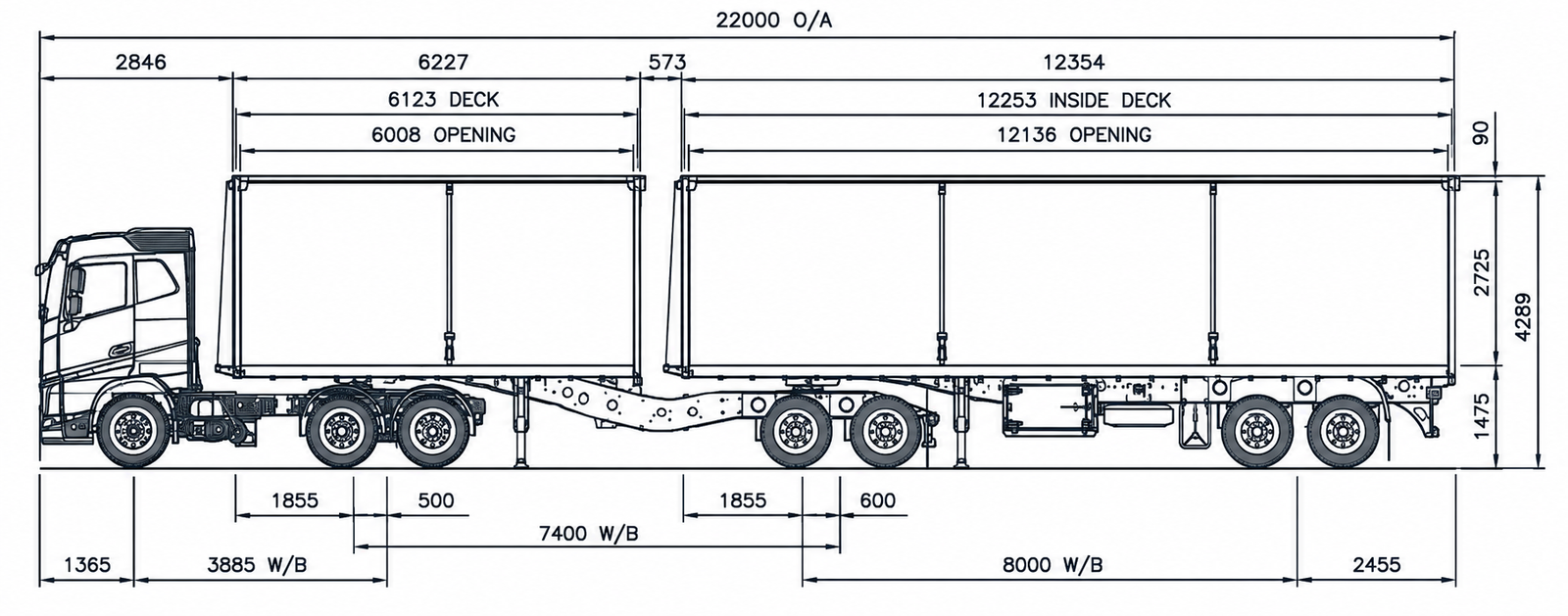
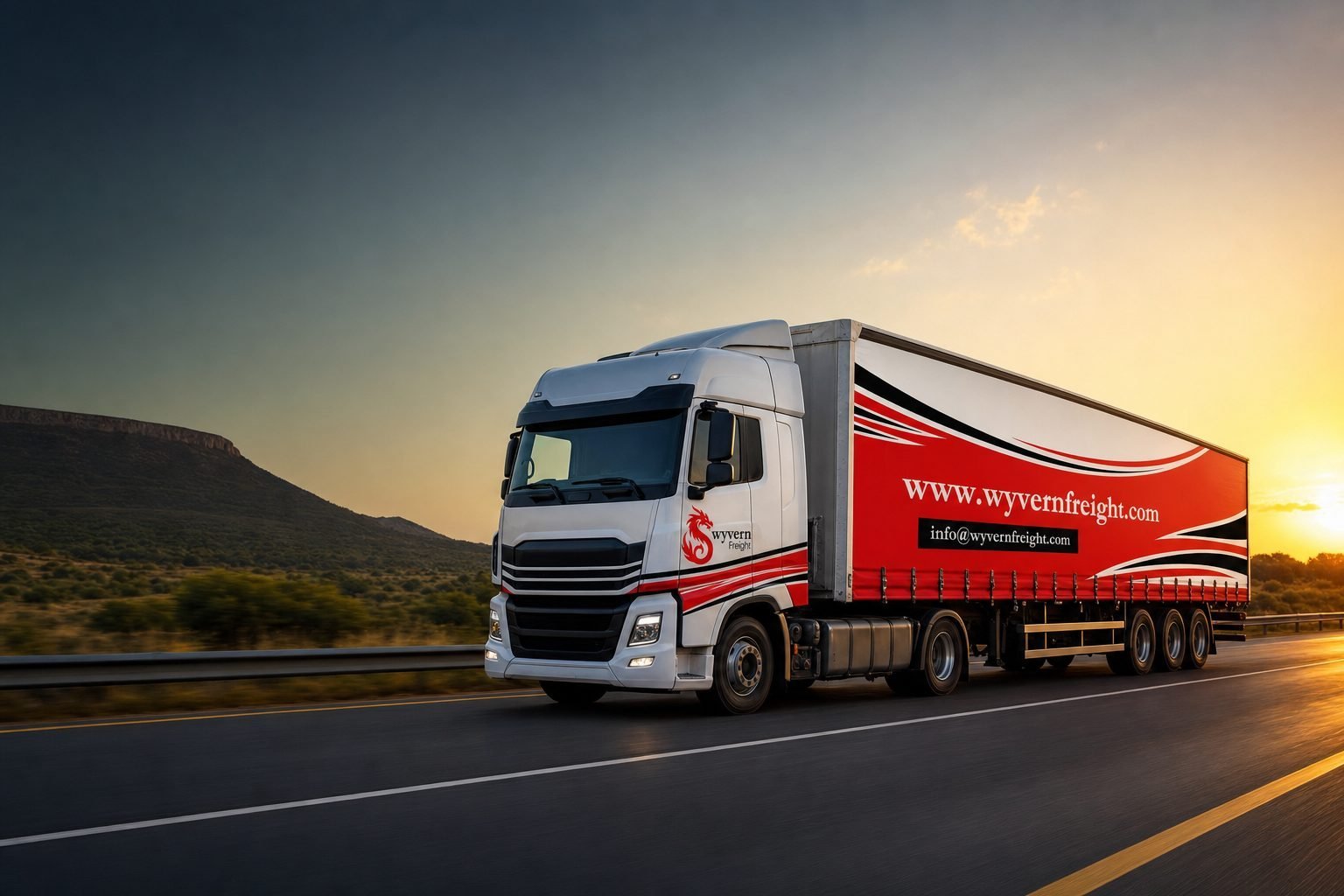
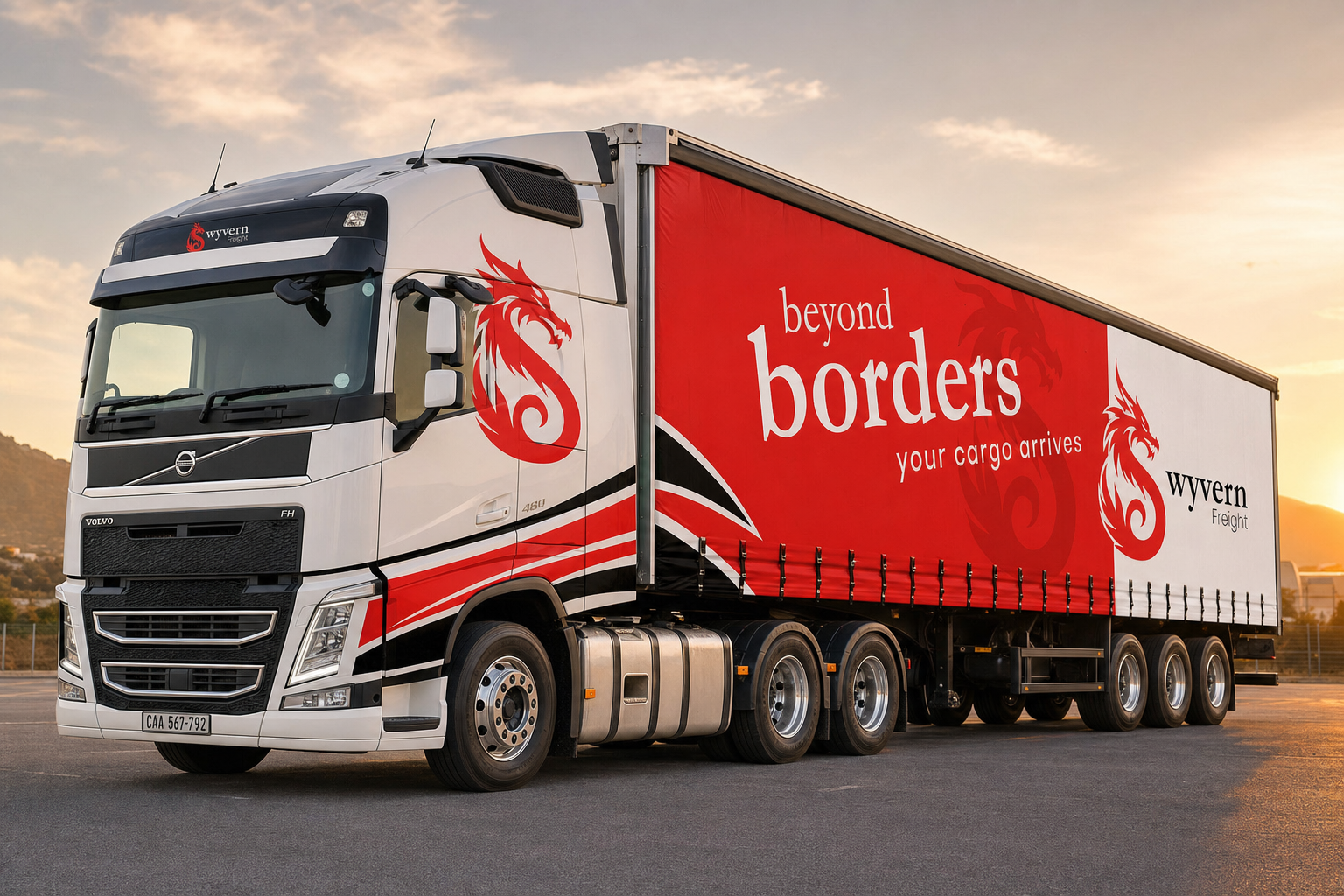
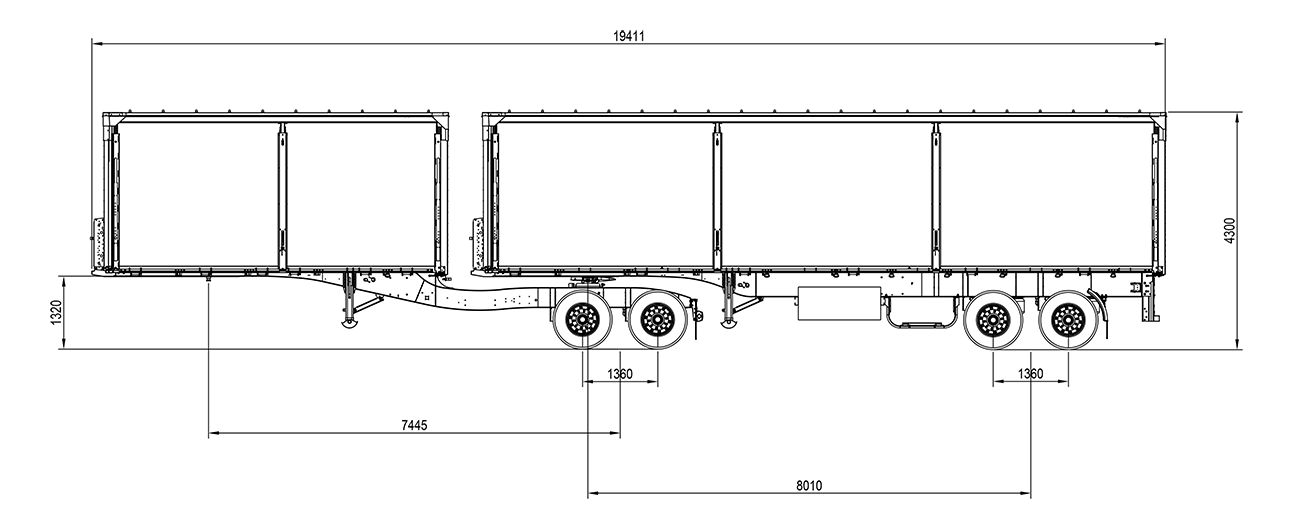
Sliding curtain trailers are commonly used for cured tobacco bales, palletised tobacco, packaged tobacco, cartons, inputs, and general agribusiness cargo. Their curtain-sided design allows side loading and unloading while helping protect cargo from weather exposure during transit.
Best suited for baled, packaged, or palletised tobacco cargo that needs flexible loading access and protection during transport.

Container or skeletal trailers are commonly used for export-ready tobacco and packaged cargo moving in shipping containers. They support movement between warehouses, processors, dry ports, border points, and seaports.
Best suited for containerised tobacco cargo, export shipments, and port-linked logistics.
Box or enclosed trailers can be used where cargo protection is important, especially for packaged tobacco, cartons, samples, high-value consignments, and weather-sensitive loads. These trailers help reduce exposure to dust, rain, and handling damage.
Best suited for protected, packaged, or high-value tobacco-related cargo that needs enclosed movement.
Tobacco cargo often moves between farms, auction floors, merchants, processors, warehouses, border points, dry ports, and regional ports. These routes support local marketing, input supply, processing, exports, and cross-border trade.
Mashonaland / Manicaland / Midlands → Harare
A key local movement pattern includes moving cured tobacco bales from farming areas to auction floors, contract floors, merchants, processors, and warehouses around Harare and other marketing centres.
Harare → Mutare → Beira Port
The Beira Corridor is important for port-linked cargo moving between Zimbabwe and Mozambique. For tobacco logistics, this route can support export movement, containerised cargo, warehouse-to-port movement, and inbound agricultural inputs.
Harare → Beitbridge → Johannesburg / Durban
This route supports cross-border movement between Zimbabwe and South Africa. It can be used for inputs, packaging, machinery, regional distribution, and port-linked cargo moving through South African trade routes.
Johannesburg → Beitbridge → Harare → Lusaka → Copperbelt
Supports regional freight movement between South Africa, Zimbabwe, Zambia, and the Copperbelt. For tobacco-related logistics, it can support inputs, packaging, machinery, export cargo, and regional agribusiness movement.
Farms → Auction floors → Merchants → Processors → Warehouses
Local tobacco routes connect farms, aggregation points, auction floors, contract floors, merchants, processors, warehouses, packaging suppliers, and input distributors , especially important during the tobacco marketing season.
Tobacco transport can support cured tobacco bales, palletised tobacco, packaged tobacco, cartons, tobacco inputs, packaging materials, export containers, farming supplies, processing equipment, and related agribusiness cargo.
Sliding curtain trailers are commonly used for baled and palletised tobacco, container or skeletal trailers are used for export cargo, and enclosed trailers can be used for packaged or weather-sensitive tobacco-related cargo.
Sliding curtain trailers are suitable for cured tobacco bales because they allow flexible loading and unloading while helping protect cargo from weather exposure during transport.
Container or skeletal trailers are suitable for export-ready tobacco packed in shipping containers and moving between warehouses, processors, dry ports, border points, and seaports.
Yes. Tobacco cargo should be protected from moisture, dust, contamination, rough handling, and unnecessary delays. Proper covering, loading, documentation, and route planning are important for quality-sensitive cargo.
Yes. Local movement can support transport from farms to auction floors, contract floors, merchants, processors, warehouses, packaging suppliers, and input distributors.
Yes. Tobacco-related cargo can move through regional corridors connecting Zimbabwe with Mozambique, South Africa, Zambia, Botswana, Malawi, and other SADC markets, depending on cargo type, documentation, and destination.
Common routes include Zimbabwe local tobacco routes, the Beira Corridor, the North–South Corridor, and cross-border routes through Beitbridge into South Africa. These routes can support input movement, export logistics, port-linked cargo, and regional distribution.
Yes. Inbound movement can include inputs, packaging, chemicals, fertilizers, machinery, and processing materials. Outbound movement can include cured tobacco bales, packaged tobacco, export containers, and related agribusiness cargo.
Important details include cargo type, number of bales or pallets, weight, packaging type, loading point, delivery point, route, delivery timeline, documentation, handling instructions, and whether the cargo requires covered, enclosed, or containerised movement.


End-to-end freight, courier, warehousing, and cross-border support for every shipment.
Services