Seasonal cargo profile
Align capacity to planting, harvesting, collection, and off-take schedules.
Inputs, harvests, and export crops moved between farms, depots, processors, and regional markets.
We support farmers, agribusinesses, investors, cooperatives, processors, and development partners with practical agricultural freight across Zimbabwe and the wider SADC region.
Inputs, harvests, equipment, and export crops need a movement plan that works around seasons, farm access, product condition, and the real market handover.
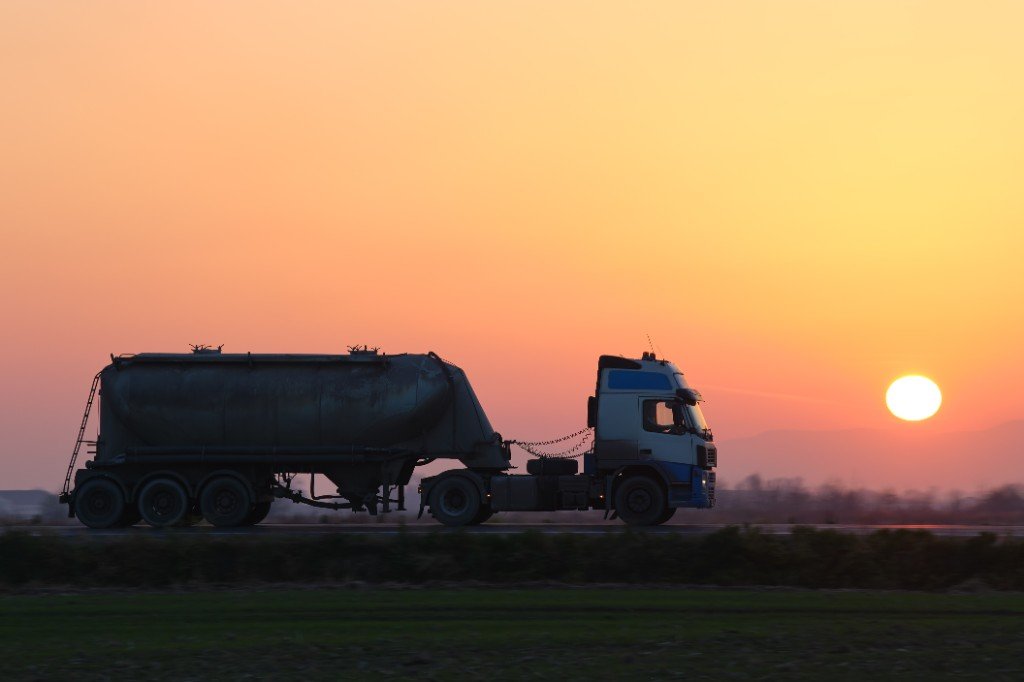
Each crop, input, and destination has a different timing, risk profile, access condition, and handling requirement. The freight plan needs to reflect that.
Align capacity to planting, harvesting, collection, and off-take schedules.
Plan collection routes, consolidation, access, and loading around the operating reality.
Match the right vehicle and conditions to bulk, fresh, temperature-sensitive, or farm equipment cargo.
Deliver to processors, depots, markets, ports, or buyers with clear proof of delivery.
Integrated support connects crop production, livestock, irrigation, mechanisation, agricultural inputs, market access, agro-processing, and regional trade.
Fertiliser, seed, chemicals, feed, irrigation equipment, tractors, and implements.
Maize, wheat, sorghum, soya beans, tobacco, cotton, and bulk agricultural commodities.
Horticulture, fruit, vegetables, dairy, meat, and temperature-sensitive products.
Cross-border transport connecting agricultural producers to buyers across SADC.
Tell us the cargo type, collection point, delivery point, quantity, required date, product condition, and any loading, cold-chain, or special handling needs.
See common trailer types used to move farm produce, inputs, equipment, and bulk agricultural materials.
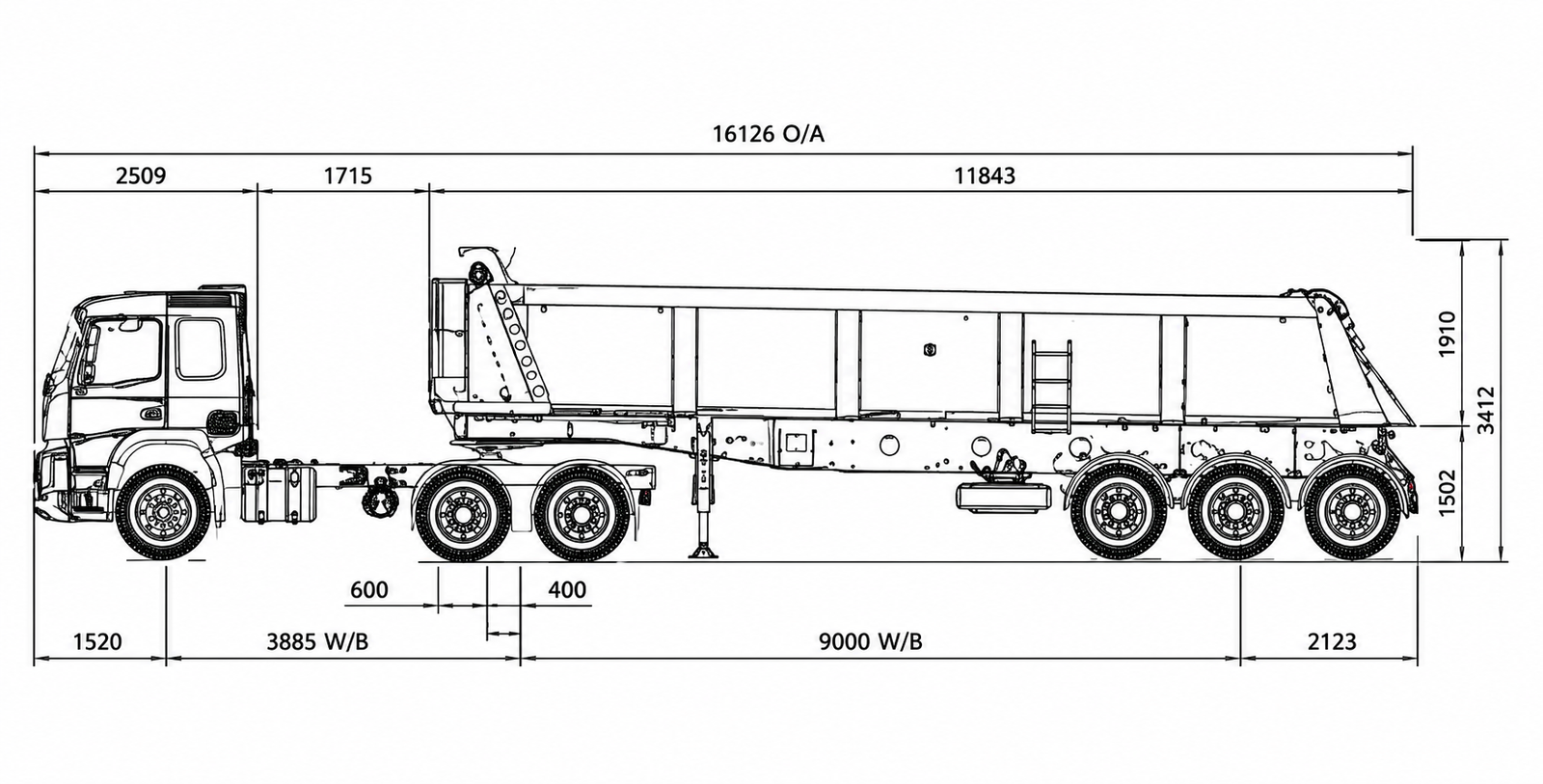
A tipper trailer is commonly used in agriculture for carrying and offloading bulk materials. It is useful for transporting grain, maize, soil, manure, compost, fertiliser, sand, and other loose farm materials.
Best suited for bulk farm loads that need quick loading, transport, and tipping.
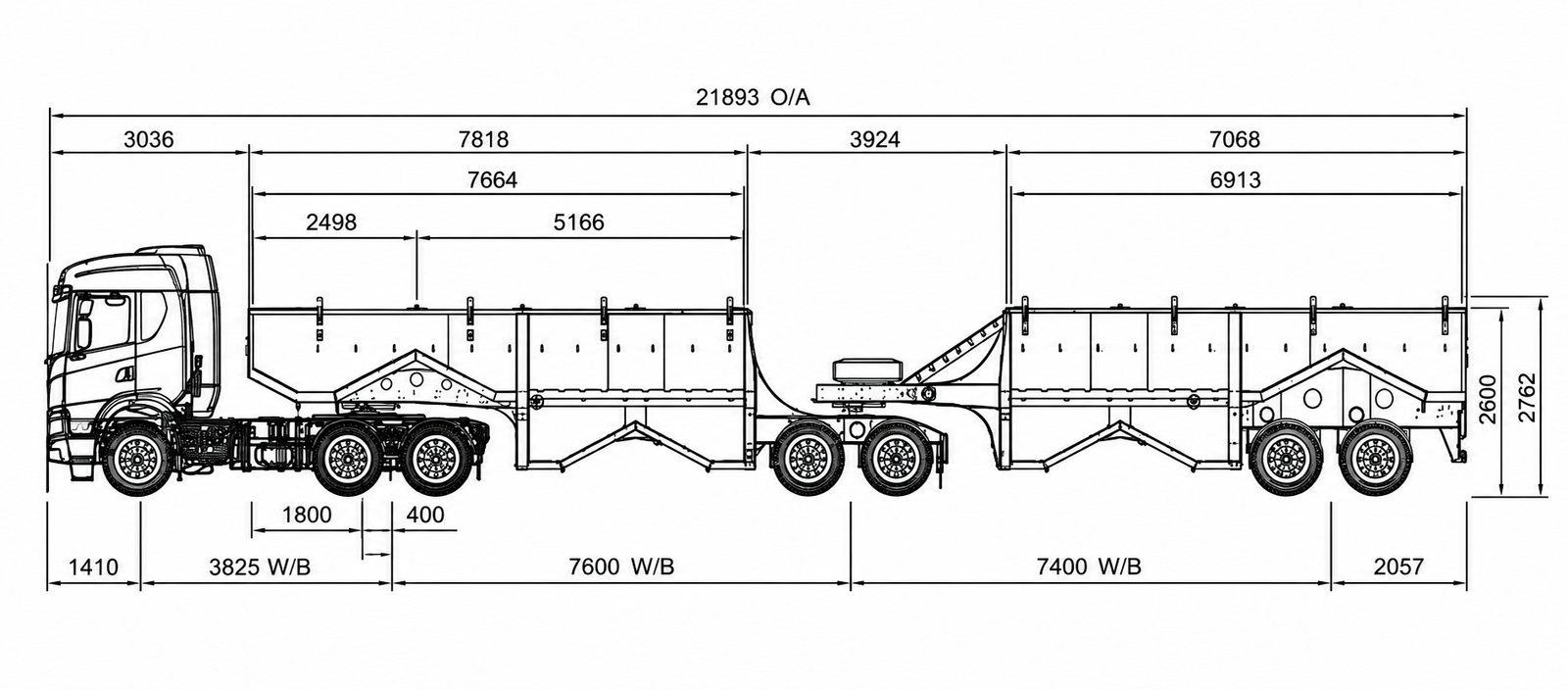
A 52 m³ bottom dump interlink for controlled discharge of grain and other free-flowing bulk agricultural materials.
Best suited for free-flowing bulk agricultural products requiring controlled bottom discharge.
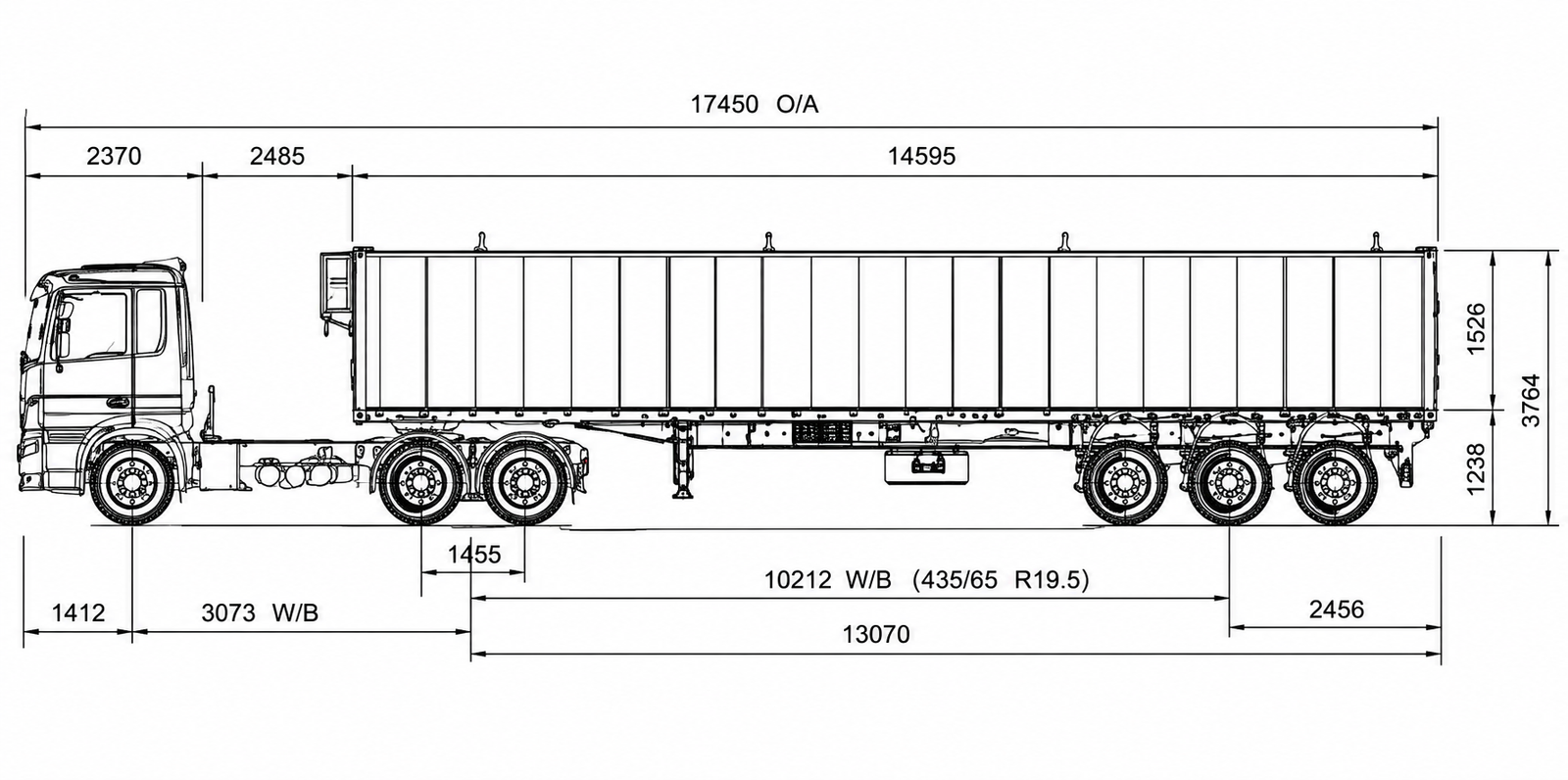
A 65 m³ moving floor semi-trailer for high-volume agricultural products and controlled unloading without tipping the body.
Best suited for high-volume loose agricultural loads requiring stable, controlled unloading.
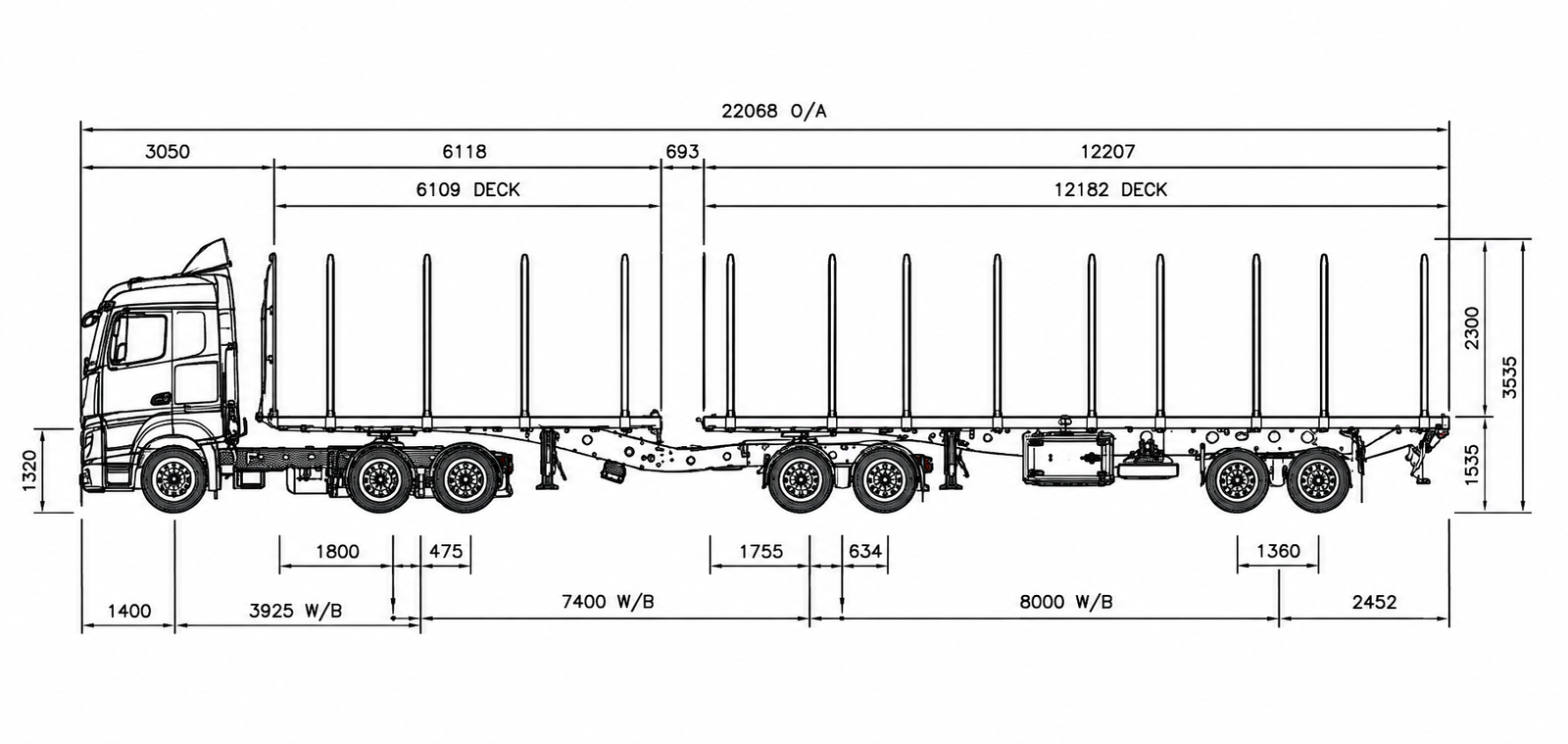
A flatbed trailer is commonly used for carrying farm equipment, machinery, hay bales, irrigation materials, tools, and other large or irregular loads. Its open platform makes it flexible for different agricultural transport needs.
Best suited for large, heavy, or irregular farm loads that need open-platform transport.

A flexible dropside trailer range for grain, animal feed, palletised goods and general agricultural freight.
Best suited for agricultural and general cargo requiring quick side access and flexible loading.
Our agriculture transport support covers important local and regional routes used to move farm produce, agricultural inputs, machinery, equipment, bulk materials, and commercial cargo across Zimbabwe and the wider Southern African region.
Johannesburg → Beitbridge → Harare → Lusaka → Copperbelt
One of the most important regional trade routes linking South Africa, Zimbabwe, Zambia, and the Copperbelt. It supports the movement of agricultural inputs, machinery, fertiliser, seed, packaged goods, mining supplies, and commercial freight across major Southern African markets.
Harare → Mutare → Beira
Connects Zimbabwe to the Port of Beira in Mozambique. A key route for import and export cargo, including agricultural commodities, fertiliser, fuel, machinery, containerised goods, and regional supply chain movement.
Johannesburg / Gauteng → Maputo Port
Links South Africa's Gauteng and Mpumalanga regions to the Port of Maputo in Mozambique. Useful for regional cargo movement, port-linked logistics, imports, exports, agricultural goods, and commercial freight across Southern Africa.
Malawi / Zambia / Mozambique → Nacala Port
Supports regional cargo movement through Mozambique, Malawi, and Zambia, with access to the Port of Nacala. Useful for bulk cargo, agricultural trade, fertiliser, grain, and regional import/export movement.
Farm areas → Collection points → Harare / Bulawayo / Mutare / Gweru / Local markets
Local routes support the movement of crops, livestock inputs, farm materials, equipment, and produce from farming areas to storage facilities, millers, packhouses, processors, depots, and buyers.
Whether goods are moving locally, cross-border, inbound, outbound, or through regional corridors, our focus is to help clients identify practical routes that support efficient agricultural movement and better market access.
Agricultural transport can support the movement of farm produce, grain, fertiliser, seed, animal feed, irrigation materials, machinery, equipment, bulk materials, and general agribusiness cargo.
Common agricultural trailer types include tipper trailers for bulk materials and flatbed trailers for machinery, hay bales, irrigation equipment, farm tools, and irregular farm loads.
Yes. Local route support can cover movement from farms to storage facilities, aggregation points, depots, millers, packhouses, processors, buyers, and local markets across Zimbabwe.
Yes. Agricultural cargo can move through regional routes connecting Zimbabwe with South Africa, Mozambique, Zambia, Botswana, Malawi, and other SADC markets, depending on cargo type and destination.
Common routes include the North–South Corridor, Beira Corridor, Maputo Corridor, and Nacala Corridor. These routes support regional trade, port access, import and export movement, and wider agricultural supply chains.
This route forms part of the wider North–South Corridor and is commonly used for cargo moving between South Africa and Zimbabwe, including agricultural inputs, equipment, packaged goods, and commercial freight.
This route connects Zimbabwe to the Port of Beira in Mozambique. It is useful for imports and exports, including fertiliser, fuel, machinery, agricultural commodities, containerised goods, and regional cargo.
Yes. Inbound movement can include goods coming into Zimbabwe or the region, such as fertiliser, seed, equipment, and machinery. Outbound movement can include farm produce, commodities, and agribusiness cargo moving to buyers, processors, ports, or regional markets.
The right trailer depends on the cargo type, weight, volume, loading method, road conditions, route, distance, and unloading requirements. Bulk loose materials usually require a tipper trailer, while machinery and irregular loads are better suited to flatbed trailers.
Yes. Route planning can depend on cargo type, border requirements, permits, seasonal demand, road conditions, port access, and delivery timelines. Agricultural goods may also require careful timing to reduce delays after harvest or before planting.


End-to-end freight, courier, warehousing, and cross-border support for every shipment.
Services