
Governance
How responsibility is set, who it applies to and the laws our work must follow.
Learn more about governance
Sustainability
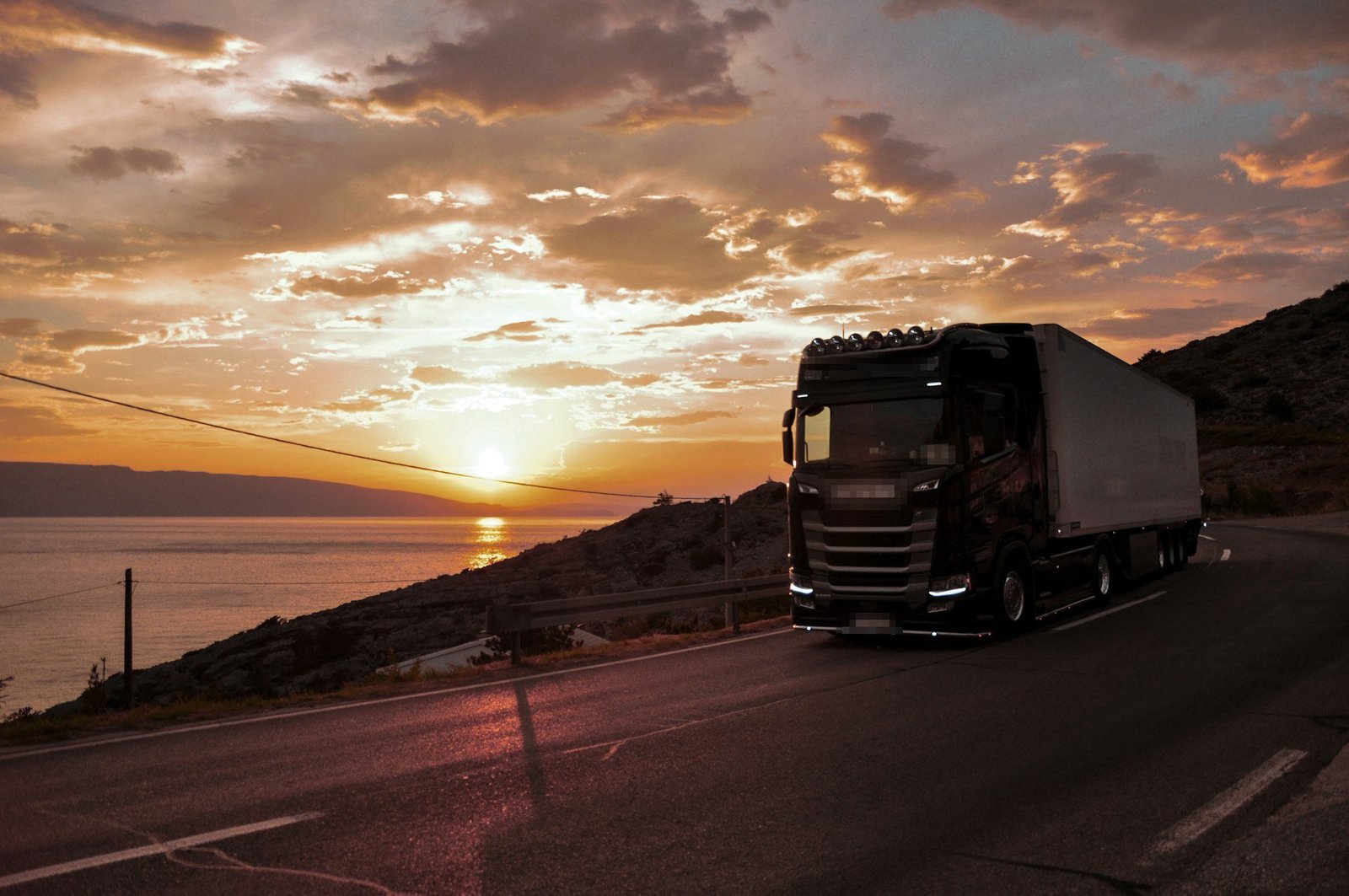
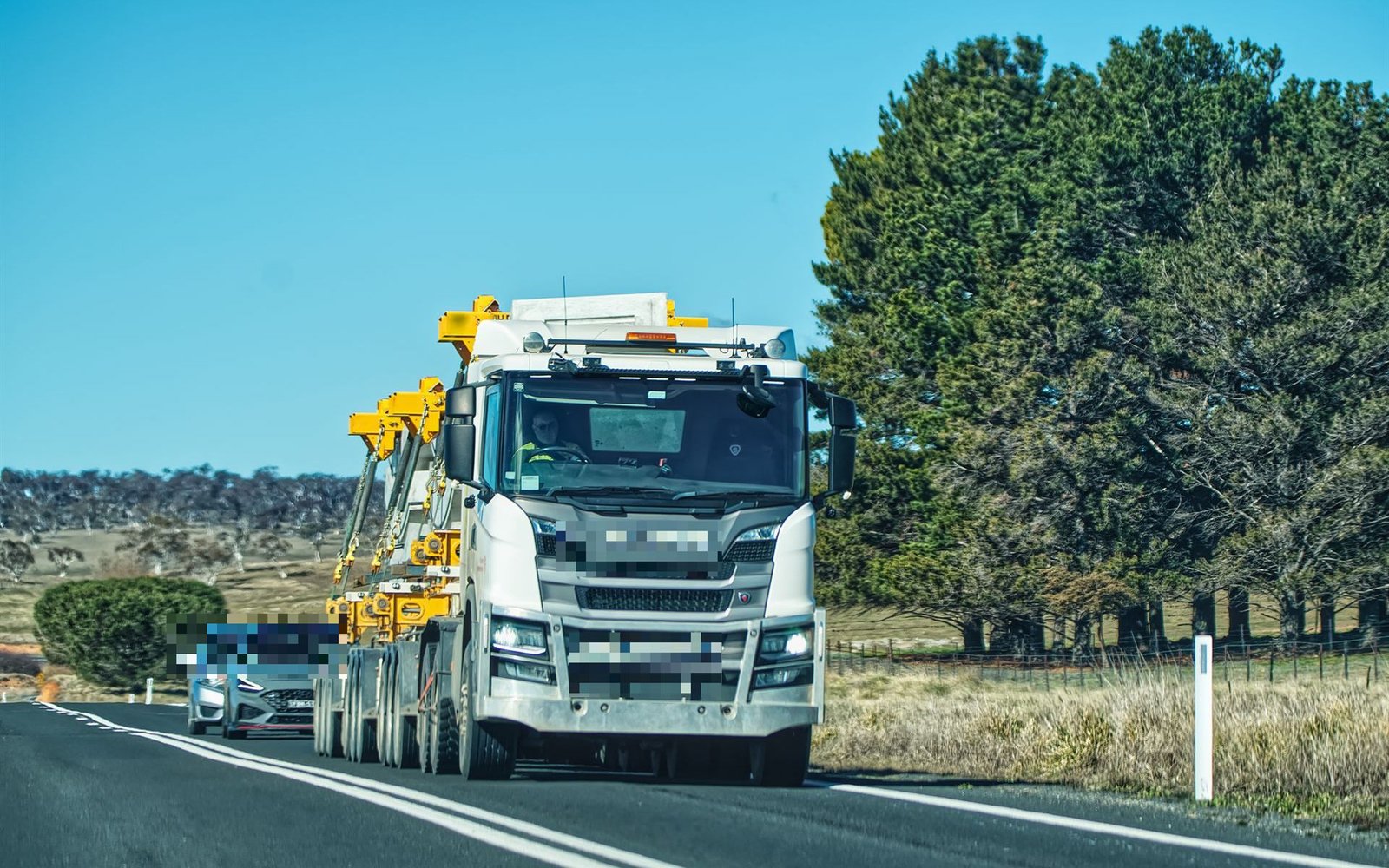
Much of the fuel a truck burns is decided by planning, vehicle condition and how it is driven.
Transport has an environmental impact. We aim to comply with the environmental requirements that apply to our work and to find practical ways to reduce waste, unnecessary fuel use and avoidable harm. Environmental incidents, spills and significant hazards connected with our operations must be reported and dealt with promptly.
On a road freight operation, much of the fuel burned and the wear on vehicles is set by planning: the route chosen, how well the vehicle fits the load, the condition it is in and how it is driven. Better operating decisions mean fewer wasted kilometres, less fuel and less impact.
These practices come from our SHEQ standard, which applies to every load we move.
Read the SHEQ environment commitmentChoosing a practical route and matching the vehicle and trailer to the load keeps kilometres and fuel to what the job needs.
Avoiding detours, repeat trips and running empty where the planning allows it.
Preventive maintenance and pre-trip vehicle and trailer checks keep trucks safe and running as they should.
Responsible fuel use on the road, including cutting unnecessary idling at loading points and borders.
Controlled handling of oils and chemicals, spill-prevention arrangements and responsible waste and packaging.
Spills, leaks, vehicle defects and unsafe conditions should be reported as soon as they are found. Reporting is there to support accountability and improvement, not to hide problems.
Read about incident reportingWe do not yet publish fleet fuel or emission figures. When we do, they will be measured, verifiable and reported with the method used.
How we will reportHow responsibility is set, who it applies to and the laws our work must follow.
Learn more about governance
Our priorities, how they sit inside daily operations and what comes next.
Learn more about strategy
Safety and wellbeing, human and labour rights and the communities on our routes.
Learn more about social responsibility
Honest business, zero tolerance for bribery, fair partners and a way to speak up.
Learn more about integrity
Our published policies and how sustainability information will be reported.
Learn more about reporting & policiesTell us what you are moving and where. We will plan the route, equipment and handover around your cargo.