Cold Storage & Warehousing
Refrigerated, frozen and controlled-temperature storage.
Learn more on the Cold Storage & Warehousing page
Cold Chain Services
Pre-cooling and freezing that prepare products for refrigerated storage or shipment, before they are loaded.
Freshly harvested produce carries field heat, and freshly processed food is often warm. A refrigerated vehicle is not designed to remove that heat, so product needs to be cooled or frozen before loading.
Pre-cooling brings fresh produce down to its storage temperature quickly. Blast freezing brings food down to frozen temperatures fast, ready for frozen storage or shipment.
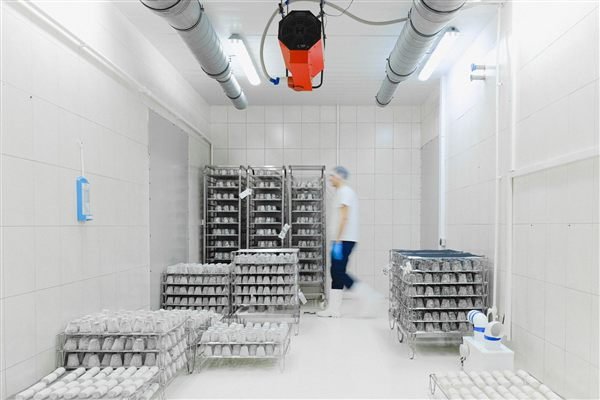
Pre-cooling and blast freezing both remove heat before transport, but for different products.
Removes field heat from fresh produce soon after harvest, by cold air, cold water, ice or vacuum, depending on the crop.
A common pre-cooling method that pulls cold air through packed produce to cool it faster than a cold room alone.
Freezes food quickly with very cold, fast-moving air, so it reaches frozen storage temperature before it is stored or shipped.
Once at temperature, the product moves into cold storage or a refrigerated vehicle without warming up again.
Refrigerated, frozen and controlled-temperature storage.
Learn more on the Cold Storage & Warehousing page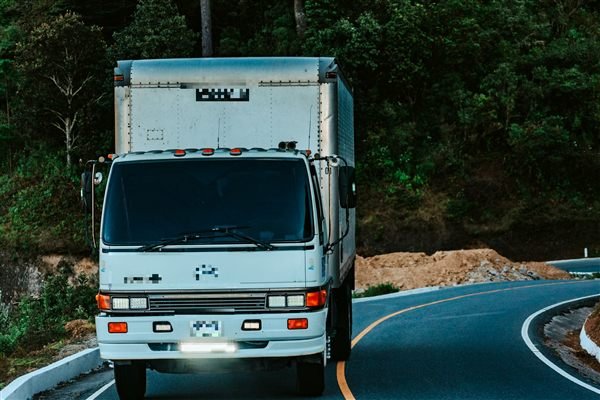
Chilled, frozen and temperature-controlled freight movements.
Learn more on the Refrigerated Road Transport page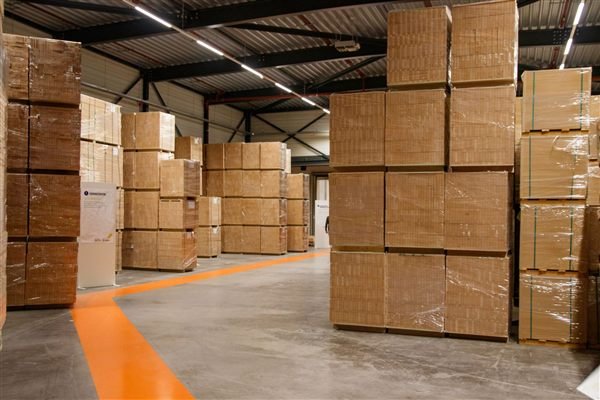
Specialised packing, palletisation, loading and temperature-protected handling.
Learn more on the Cold Chain Packing & Handling pageRemoving heat from a product, usually field heat from fresh produce, before it is stored or transported.
Transport refrigeration is designed to hold a load at temperature, not to remove heat from warm product. Warm product loaded into a trailer may not reach its carrying temperature in time.
Freezing food quickly with very cold, fast-moving air, so it reaches frozen storage temperature before it is stored or shipped.
Mostly fresh fruit, vegetables and cut flowers, which keep their quality longer when field heat is removed soon after harvest.
The product, quantity, packaging, its temperature on arrival, the target temperature, and where it goes next.
Send the product, carrying temperature, packaging, quantity or pallet count, collection and delivery points, and the required date.