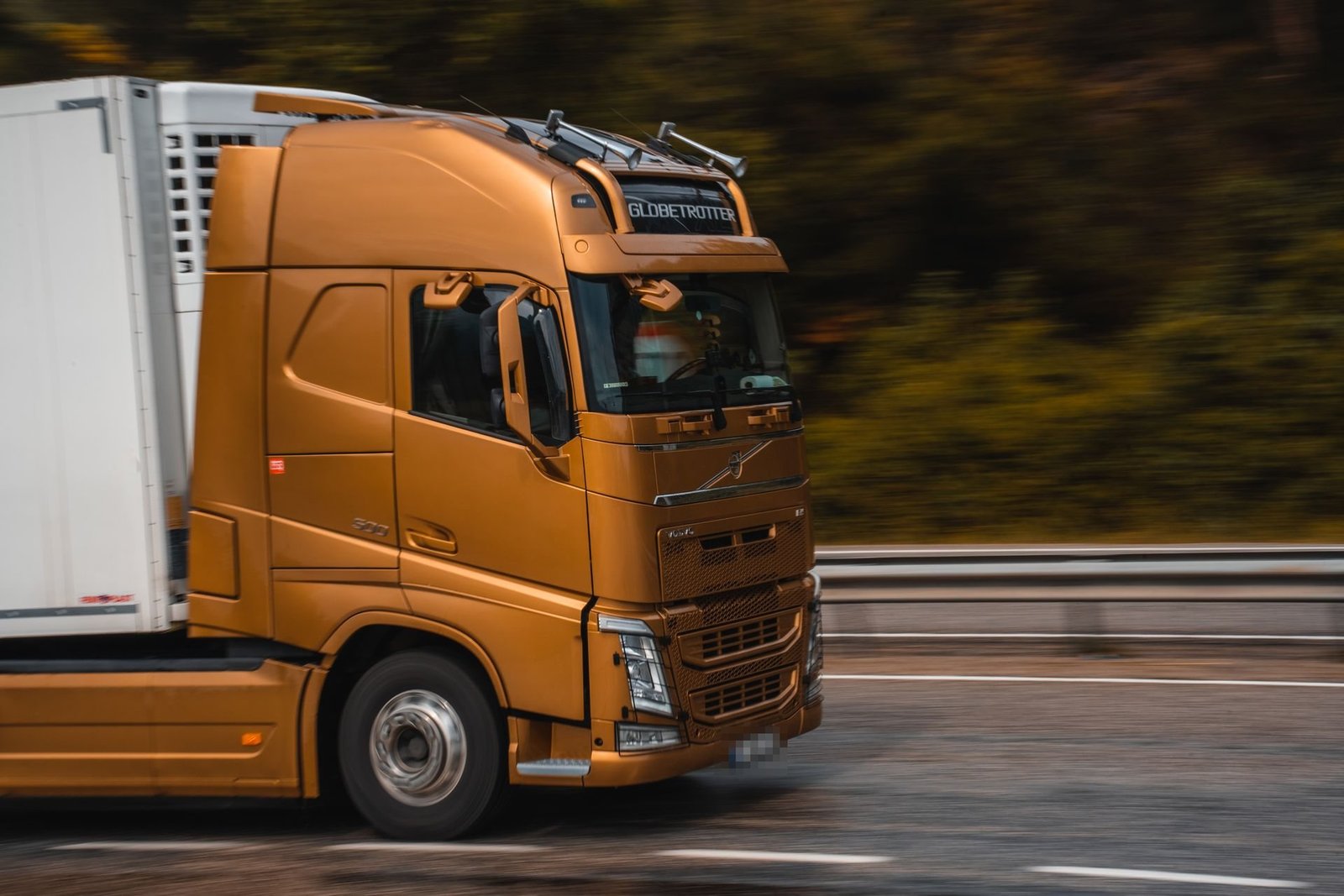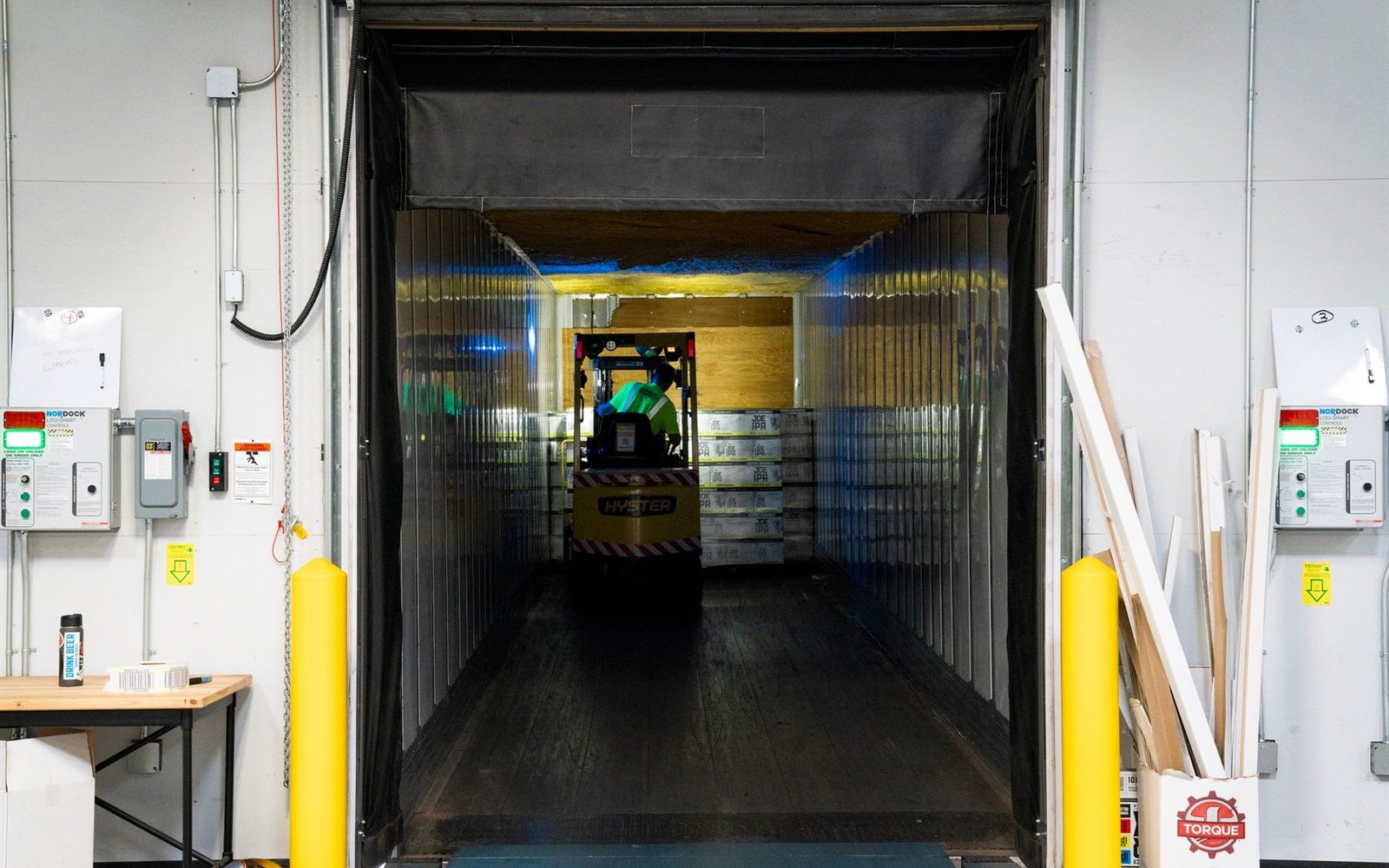

Refrigerated Road Transport
Chilled, frozen and temperature-controlled freight movements.
Learn more on the Refrigerated Road Transport page
Cold Chain Services
Temperature-sensitive goods moved from inbound to outbound vehicles or facilities with as little time out of refrigeration as possible.
When goods change vehicle, they leave the refrigerated space they arrived in and wait for the next one. Cross-docking keeps that wait short and controlled, instead of putting goods into storage they do not need.
We plan inbound and outbound movements together, so the transfer happens on time and the product goes straight from one cold space to the next.
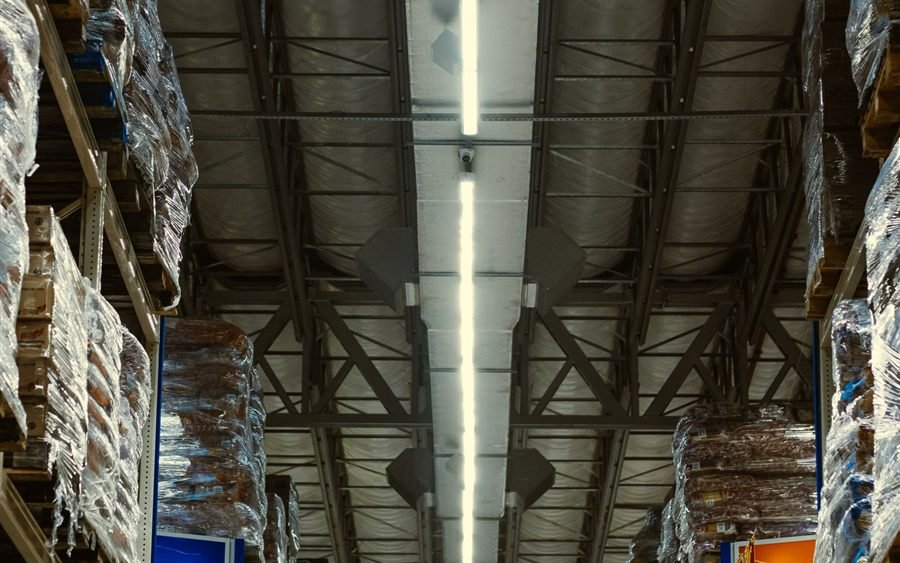
The transfer itself is short. The planning around it is what keeps it that way.
Inbound and outbound vehicles are scheduled together, so goods do not wait for transport that is not there.
Product temperature and packaging are checked when the inbound load arrives.
Goods are sorted by destination and drop order before the outbound vehicle is loaded.
Outbound vehicles are at their set point before loading begins.
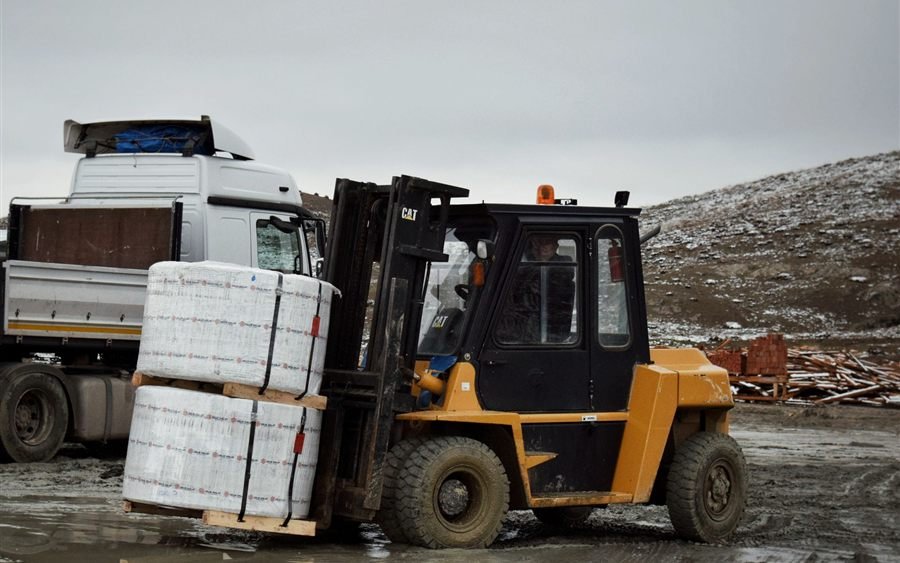
Cross-docking suits goods that are changing vehicle, not goods that need to wait.
Deliveries from different suppliers combined onto one vehicle for the same destination.
A full load broken down into local delivery runs.
Cargo moved from a reefer container into refrigerated trailers for the next leg.
Goods held for a buyer, clearance or a later date are better kept in cold storage.
Chilled, frozen and temperature-controlled freight movements.
Learn more on the Refrigerated Road Transport page
Specialised packing, palletisation, loading and temperature-protected handling.
Learn more on the Cold Chain Packing & Handling page
Temperature recording, tracking, alerts and shipment-condition reporting.
Learn more on the Cold Chain Monitoring & Visibility pageMoving goods directly from an inbound vehicle to an outbound one, with little or no storage in between.
It cuts the time goods spend waiting and handled at a facility, which reduces their time outside refrigeration and speeds them to their destination.
By scheduling inbound and outbound vehicles together, checking product on arrival, cooling the outbound vehicle before loading and keeping the transfer short.
When goods need to wait for a buyer, for clearance or for a later delivery date. In that case cold storage keeps them in condition until they move.
Yes, where their temperature ranges and handling needs are compatible. See Cold Chain Consolidation & Groupage.
The products and temperature ranges, quantities, inbound and outbound vehicle details, arrival and departure times, and the delivery points.
Send the products, temperature ranges, inbound and outbound details, and the times each vehicle arrives and leaves.