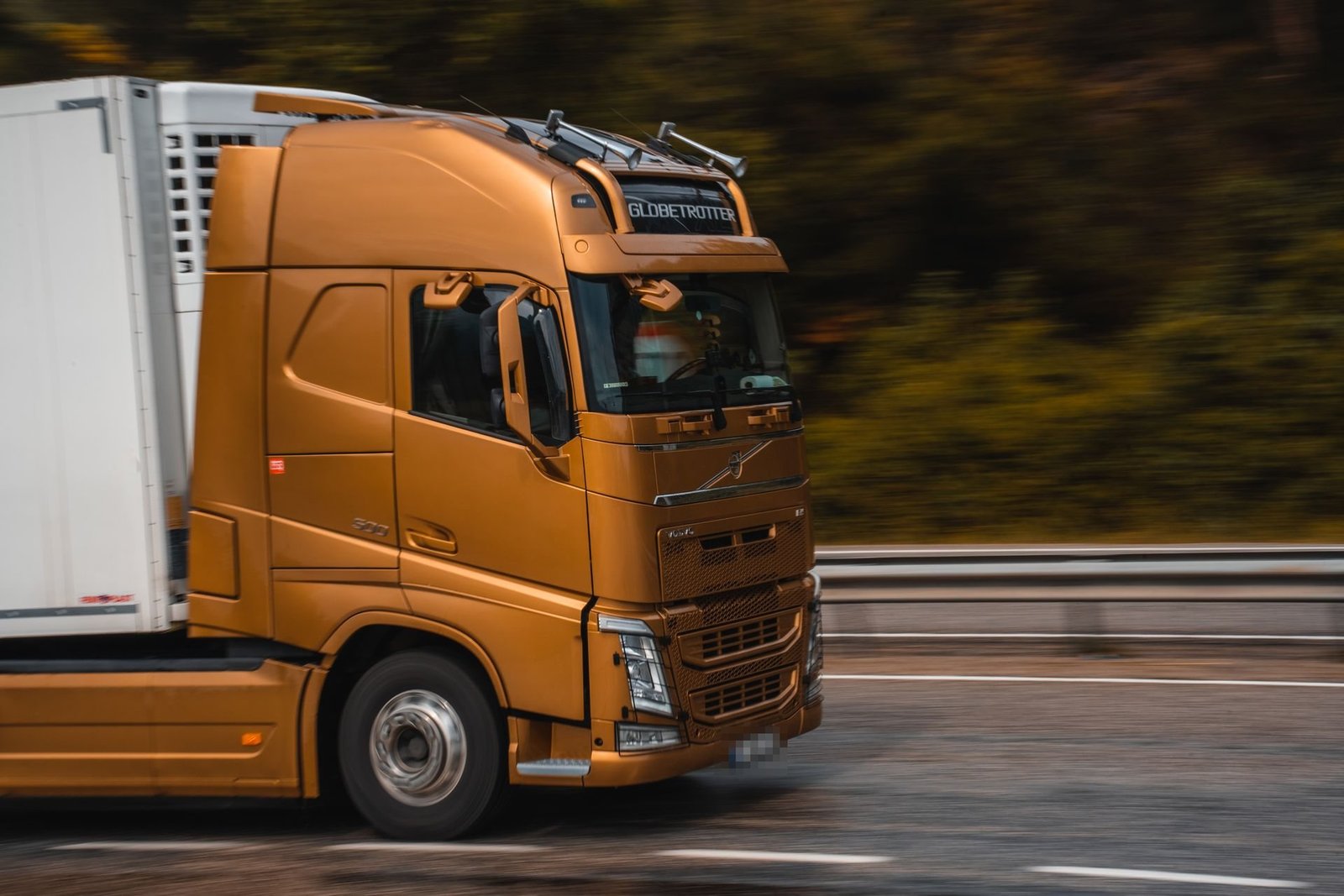
Refrigerated trailers
Temperature-controlled trailers for chilled and frozen seafood loads moving by road.
Learn more on the Refrigerated Road Transport page
Cold Chain Cargo
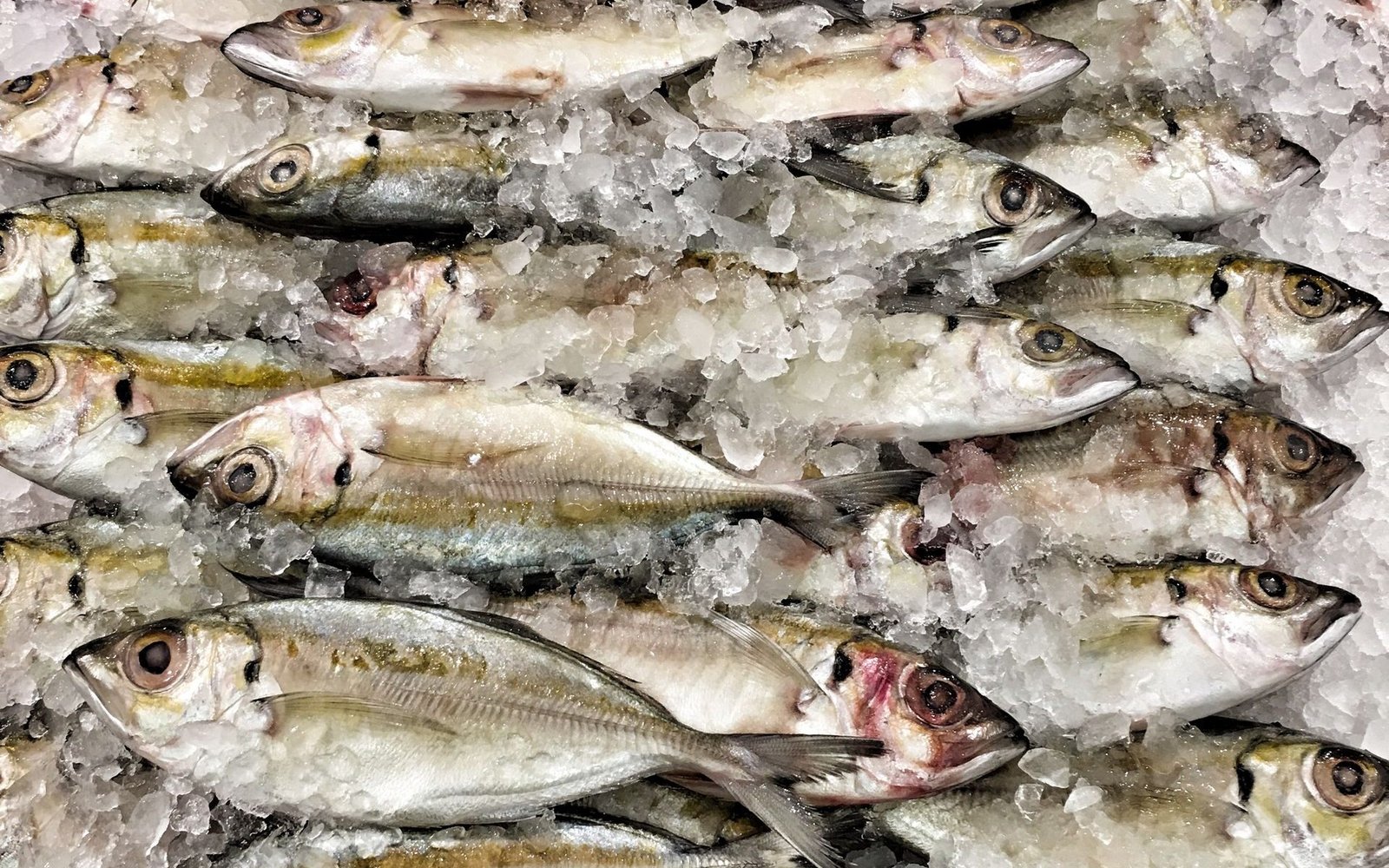
Fresh, chilled and frozen fish and seafood moved by road, planned around each product's state and carrying temperature.
Fish and seafood start to lose quality as soon as they leave the water. Time spent too warm shortens shelf life, and some species can form histamine when they are not kept properly chilled, a hazard that later cooling or cooking does not remove.
We plan each seafood movement around the product's state, its specified carrying temperature, packaging, journey time and the receiving point, so the cold chain holds from collection to handover.
Seafood is not one cargo type. How it is handled depends on the state the product is in when it is collected.
Held as close as possible to 0°C, the temperature of melting ice, from packing to receipt, with meltwater drained away from the product.
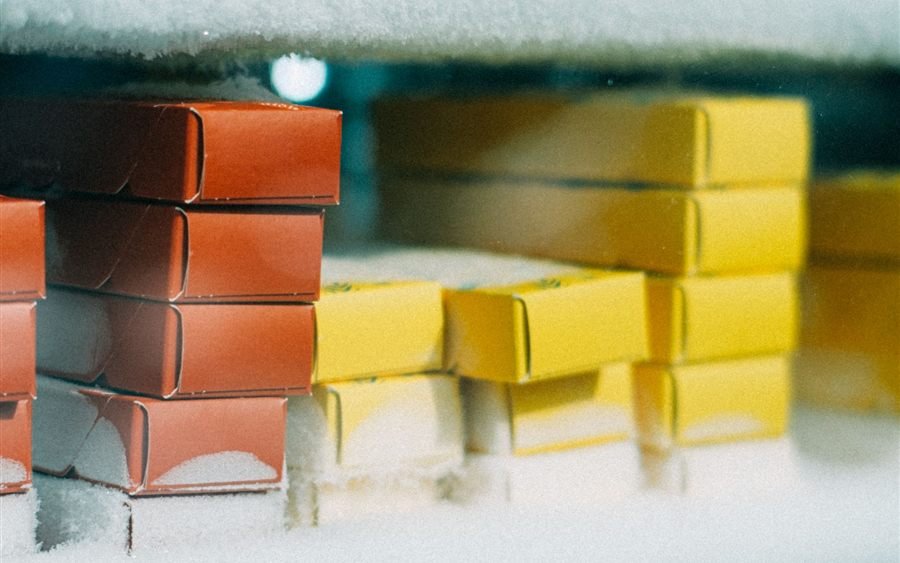
Kept frozen throughout, usually at -18°C or colder at the core, with no partial thawing during loading, transit or transfers.
These and similar species need continuous chilling, because warm handling can form histamine that cannot be removed afterwards.
Live molluscs and crustaceans need cool, protected conditions, but can be harmed by temperatures that are too low. They are assessed case by case.
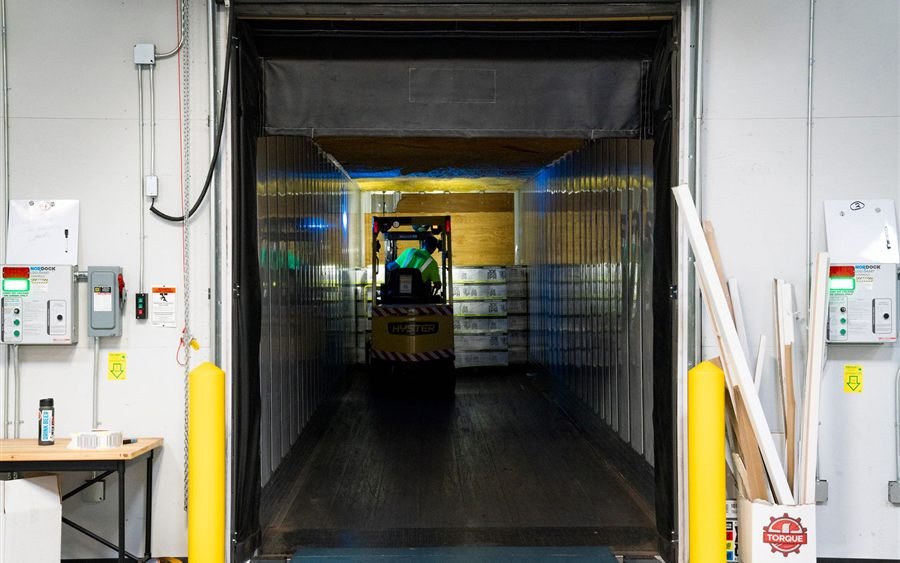
A short planning check before collection keeps the product, the equipment and the receiving point aligned.
Species, product form, chilled or frozen state, and the carrying temperature the shipper or buyer specifies.
Insulated boxes or cartons, ice and drainage for chilled fish, and a load pattern that lets cold air reach every pallet.
Clean, food-suitable equipment, with seafood kept apart from cargo that could taint it or be tainted by it.
Collection time, route, any health certificates or permits the destination requires, and a receiving point ready to take the load into cold storage.
Road freight built on refrigerated equipment and the cold chain routes Wyvern plans.
Temperature-controlled trailers for chilled and frozen seafood loads moving by road.
Learn more on the Refrigerated Road Transport page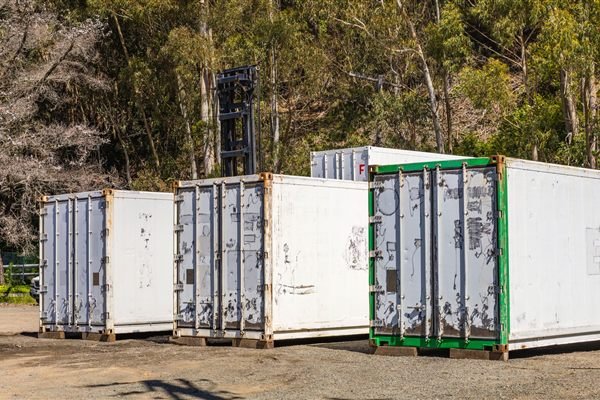
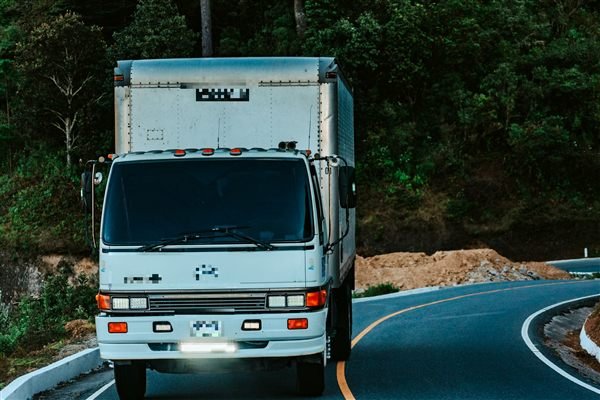
Refrigerated containers moved on skeletal trailers between ports, cold stores and receivers.
Learn more on the Reefer Container Logistics page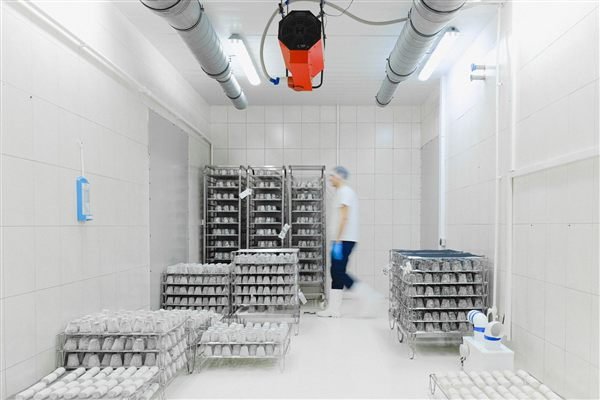
Beitbridge to South Africa, and routes within Zimbabwe to cold stores, retailers and food service.
Learn more on the Cold Chain routes page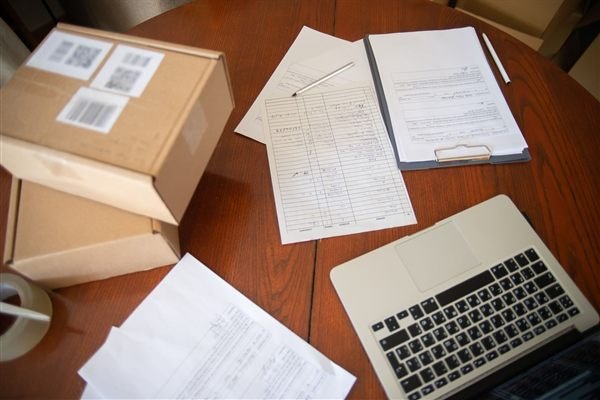
Cross-border documents and customs clearance arranged for each crossing.
Learn more on the Cross-Border Cold Chain Logistics page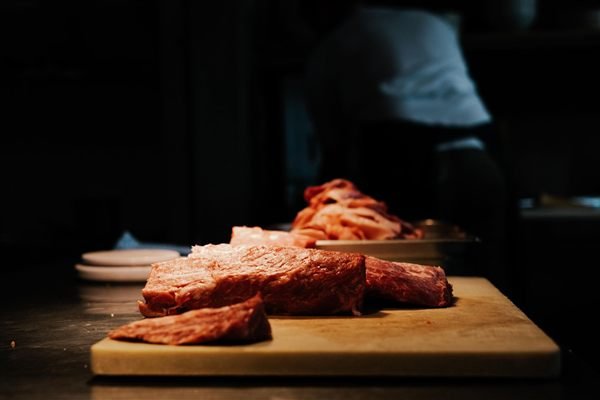
Chilled and frozen meat and poultry, kept apart from other food.
Learn more on the Meat & Poultry Logistics page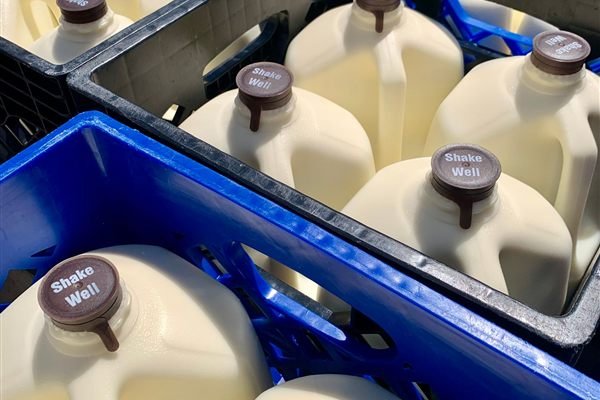
Fresh dairy kept chilled from collection to the receiving point.
Learn more on the Dairy Products Logistics page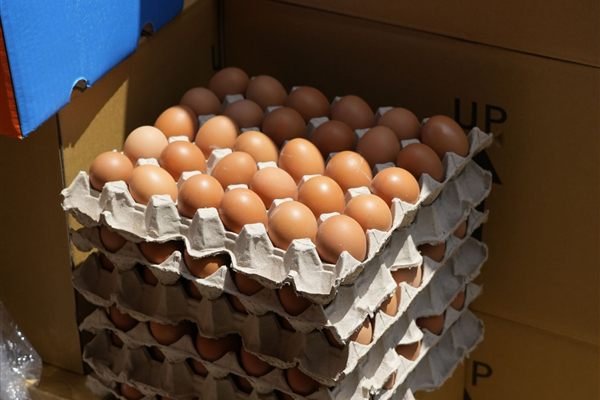
Eggs, dairy ingredients, chocolate and other ingredients that need a steady temperature.
Learn more on the Temperature-Sensitive Food Ingredients Logistics pageFresh and chilled fish on ice, frozen fish and seafood, and processed seafood products, by road in refrigerated trailers or reefer containers. Live shellfish and other specialist loads are assessed case by case.
It depends on the product. Chilled fish is normally kept as close as possible to 0°C, the temperature of melting ice, and frozen fish at -18°C or colder. Each load travels at the carrying temperature the shipper or buyer specifies, confirmed before collection.
In clean insulated boxes or cartons with enough ice to keep the fish cold, and with a way for meltwater to drain away from the product. We confirm the packing method before loading.
Only where the equipment can hold each at its own temperature. A single refrigerated compartment runs at one set temperature, so chilled and frozen seafood are normally moved separately.
Only with compatible cargo. Seafood can taint other food and be contaminated by it, so it is kept apart from products that could transfer odour, moisture or contamination.
Partial thawing and refreezing damages texture and quality and can raise food-safety risk. Frozen seafood is kept frozen through loading, transit and transfers, with door openings kept short.
They belong to a group of species that can form histamine when they are not kept properly chilled. Histamine is not removed by later chilling, freezing or cooking, so these fish need continuous cold handling from the start.
Cross-border seafood movements are planned case by case. Fish and seafood usually need documents such as health certificates and import permits, which depend on the product and the destination, and we confirm them before the load is planned.
The product and species, chilled or frozen state, carrying temperature, packaging, quantity or pallet count, weight, collection and delivery points, the required date, and any monitoring or document requirements.
Send the product, its chilled or frozen state, carrying temperature, packaging, quantity, and collection and delivery points.