Seafood
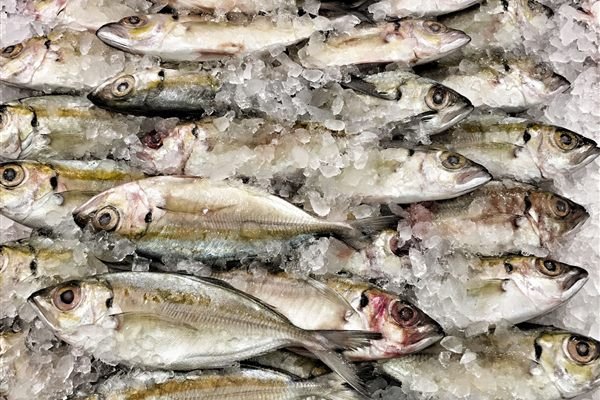
Chilled and frozen fish and seafood, each to its own carrying temperature.
Learn more on the Fish & Seafood Logistics page
Cold Chain Cargo
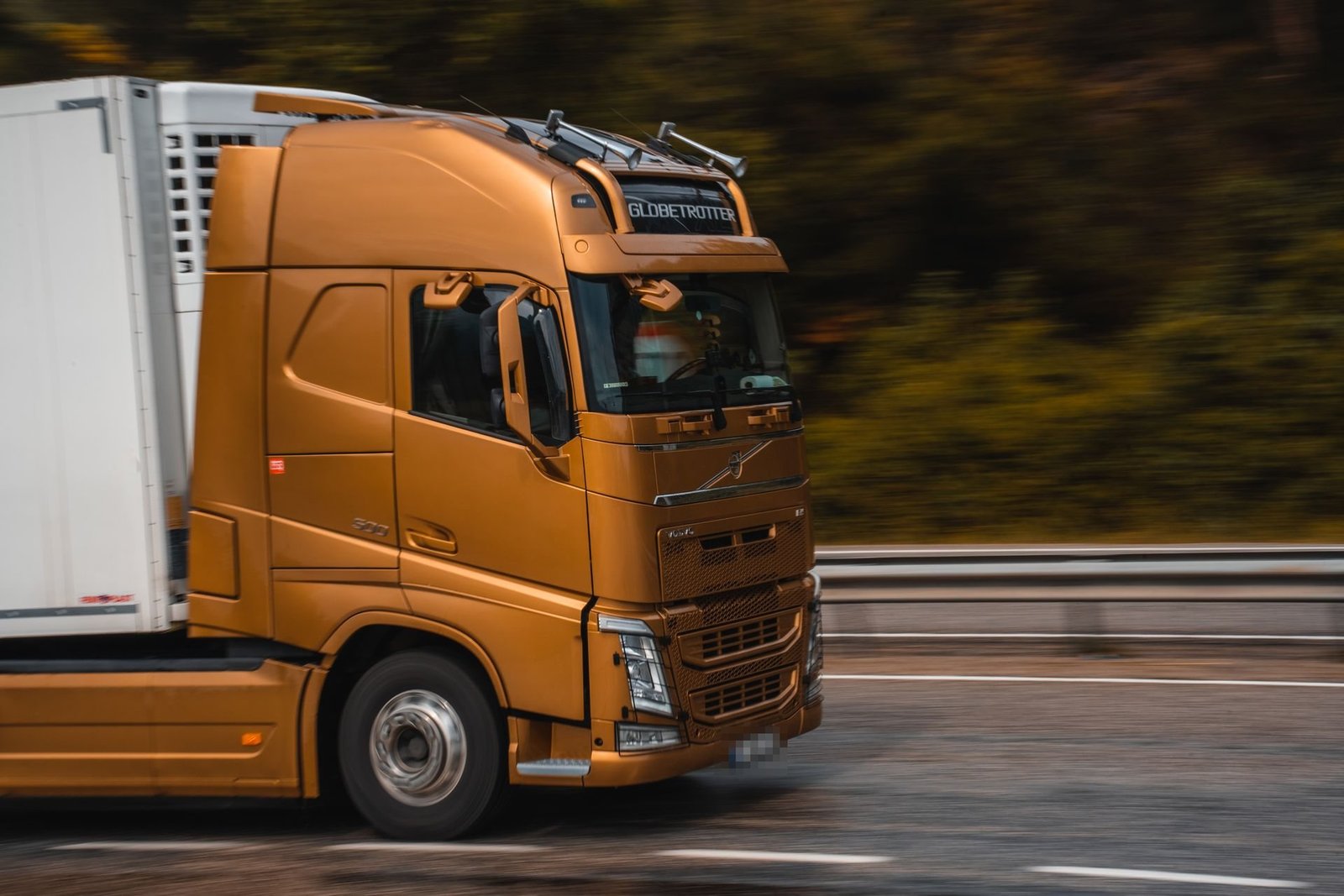
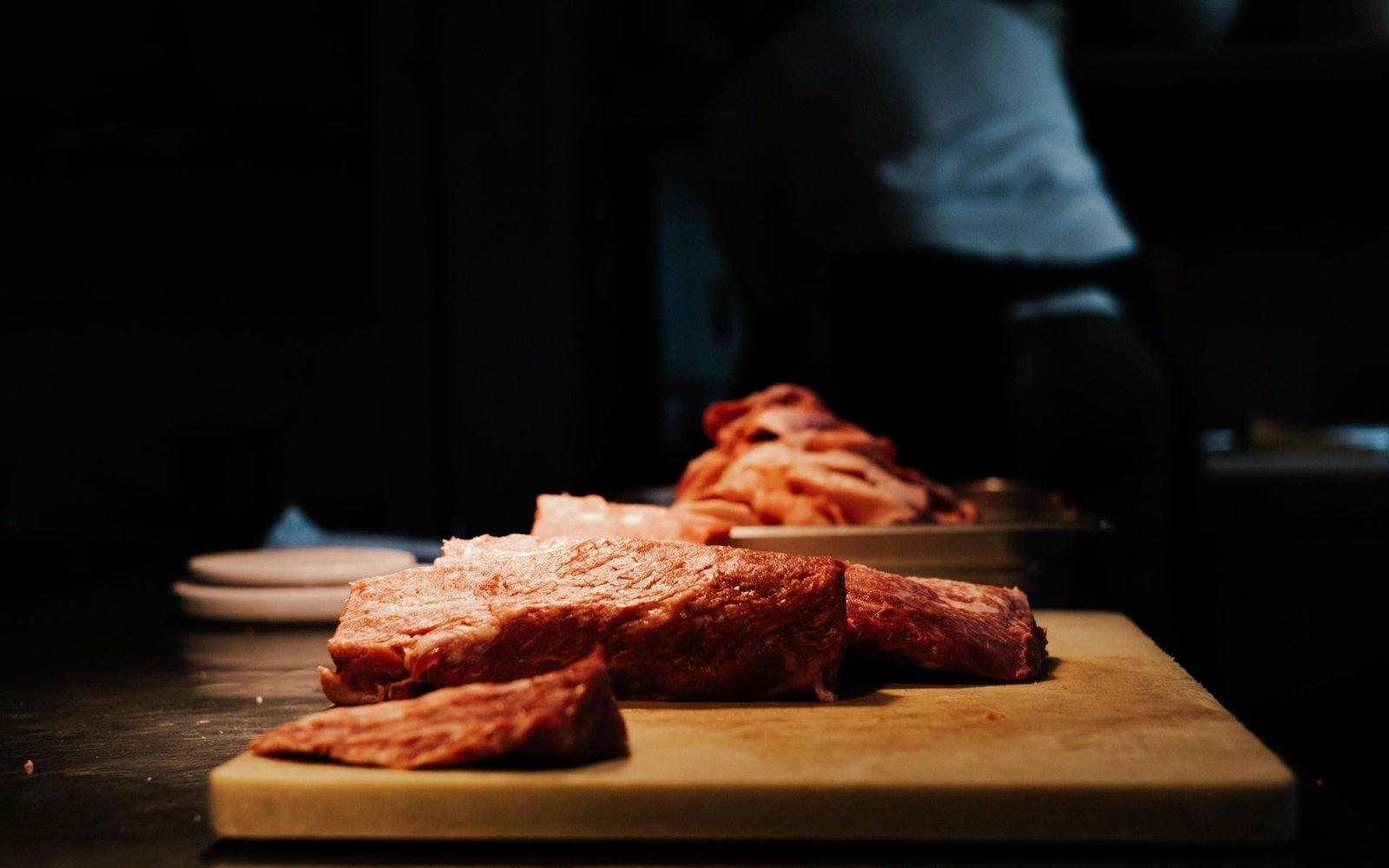
Chilled and frozen meat and poultry moved by refrigerated road transport, with hygiene, separation and veterinary documents planned before loading.
Raw meat and poultry can carry bacteria that grow quickly when the product warms, and they can contaminate other food they touch. Keeping them cold and keeping them apart are equally important.
We plan meat and poultry loads around the product's state, its carrying temperature, how it is packed or hung, and the documents the destination requires.
The controls that protect product safety from the processor to the receiver.
Chilled meat stays chilled and frozen meat stays frozen, with no partial thawing during loading or transfers.
Raw meat and poultry do not share space with ready-to-eat food, so drip and contact cannot spread contamination.
Vehicles are cleaned before loading, and packed product is protected from contact with floors and walls.
Carcasses that travel hanging need a vehicle fitted for it, and are assessed case by case.
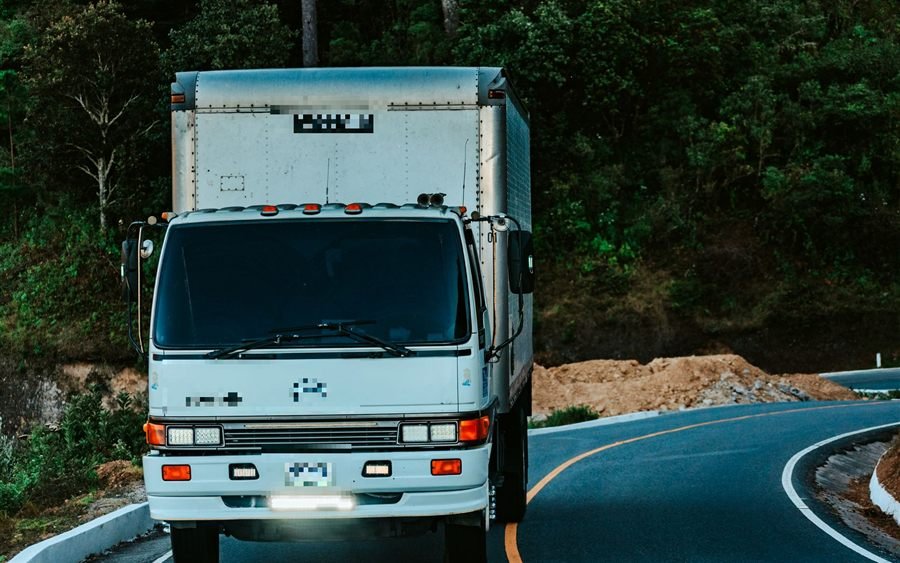
The Cold Chain services that carry meat and poultry from processor to customer.
Chilled or frozen loads at the set point the product needs.
Veterinary health certificates, import permits and customs documents prepared before the border.
Deliveries to butchers, retailers, wholesalers and food service.
Chilled and frozen fish and seafood, each to its own carrying temperature.
Learn more on the Fish & Seafood Logistics page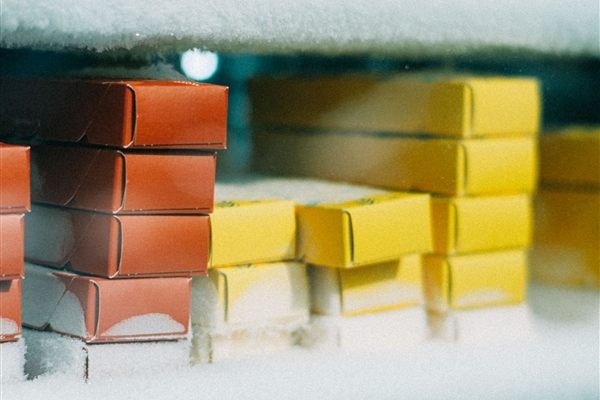
Frozen products that must stay frozen from plant to freezer.
Learn more on the Frozen Foods & Prepared Meals Logistics page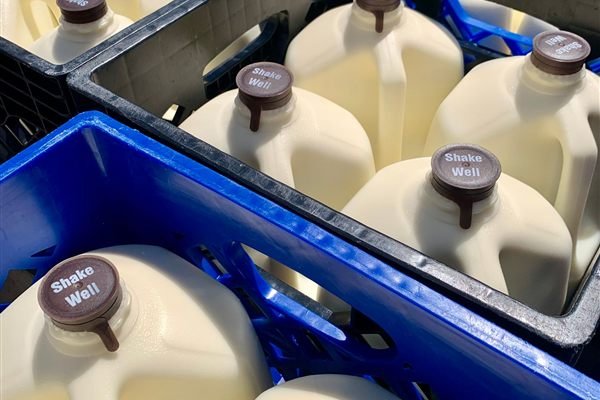
Fresh dairy kept chilled from collection to the receiving point.
Learn more on the Dairy Products Logistics pageOnly where the equipment can hold each at its own temperature. A single compartment runs at one set point, so chilled and frozen meat usually travel separately.
Raw meat and poultry are kept apart from ready-to-eat food and other products they could contaminate. Compatible packed products may share a load where the temperature and packaging allow.
Carcasses that travel hanging need a vehicle fitted with rails or hooks. These loads are assessed case by case.
Usually a veterinary health certificate and an import permit from the destination's veterinary authority, as well as customs documents. In Zimbabwe, import permits for animal products are issued by the Director of Veterinary Services. Requirements are confirmed before the load is planned.
Thawing and refreezing damages quality and can raise food-safety risk, so frozen meat is kept frozen through loading, transit and transfers.
The product, chilled or frozen state, carrying temperature, packaging or hanging, quantity and weight, documents, and the collection and delivery points.
Send the product, chilled or frozen state, packaging or hanging, quantity, documents, and the collection and delivery points.