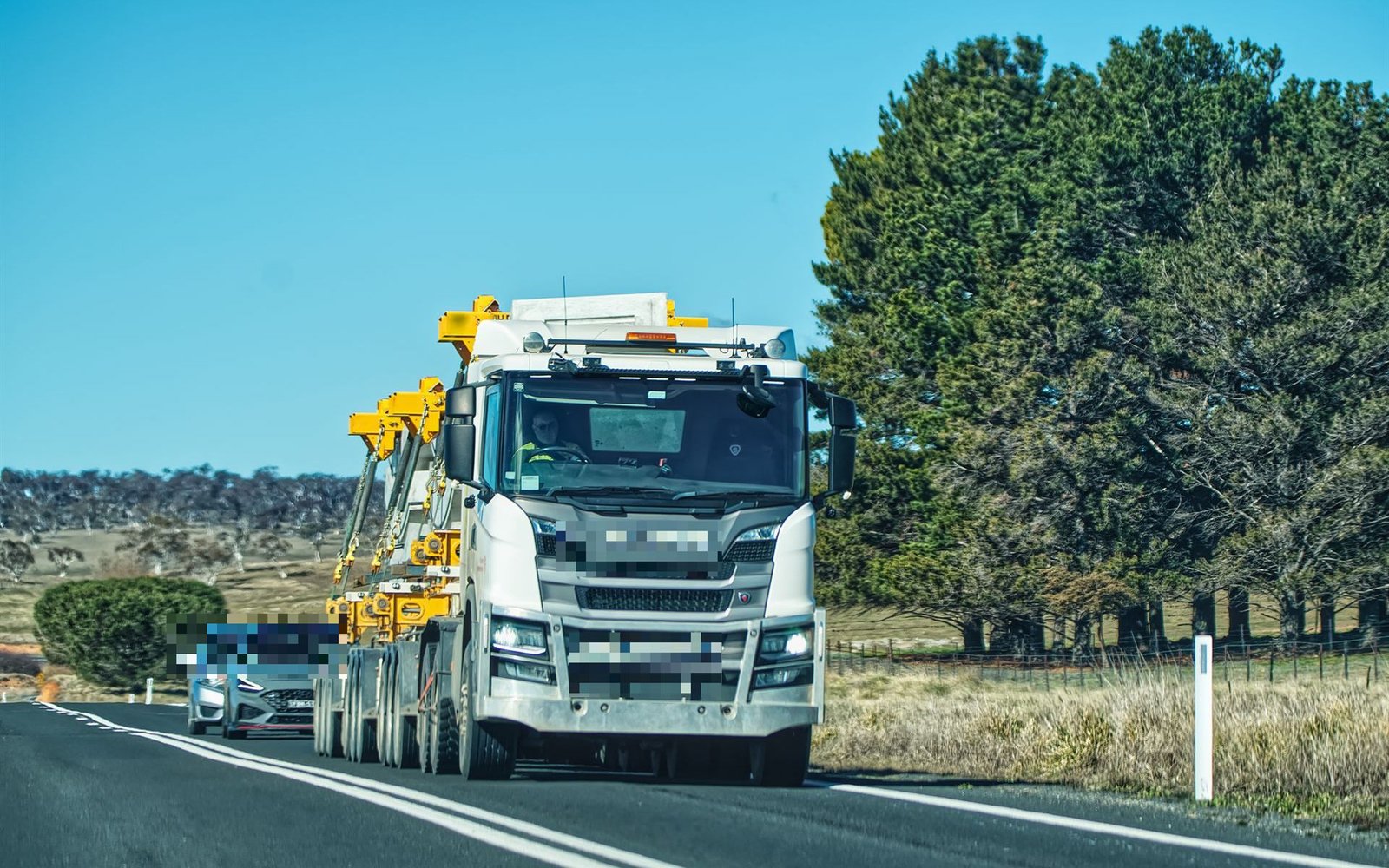

Refrigerated Road Transport
Chilled, frozen and temperature-controlled freight movements.
Learn more on the Refrigerated Road Transport page
Cold Chain Services
Refrigerated road movements between Zimbabwe and South Africa through Beitbridge, with border documents prepared before the truck departs.
A refrigerated load at a border post is still a working cold chain. The unit has to keep running, the paperwork has to be right the first time, and any inspection has to happen without leaving the product exposed.
We prepare the documents and the vehicle before departure, so the time at Beitbridge is spent clearing the load, not fixing the paperwork.
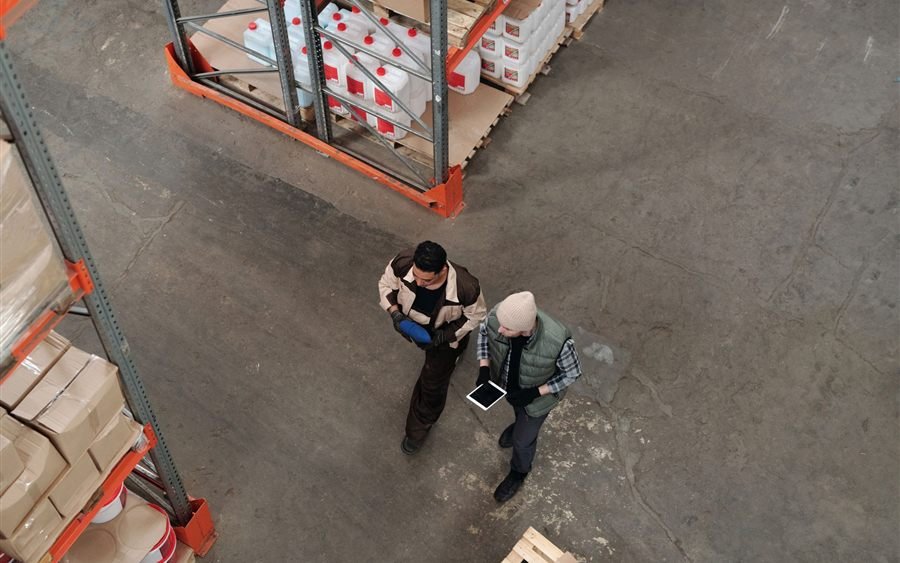
Most delays at a border can be traced back to something that was not ready before the truck left.
Phytosanitary certificates for plant products, veterinary or health certificates for animal products, and import permits, as the product and destination require.
Cross-border documents and customs clearance arranged for the crossing.
The unit, its fuel and the set point checked for the full journey, including time at the border.
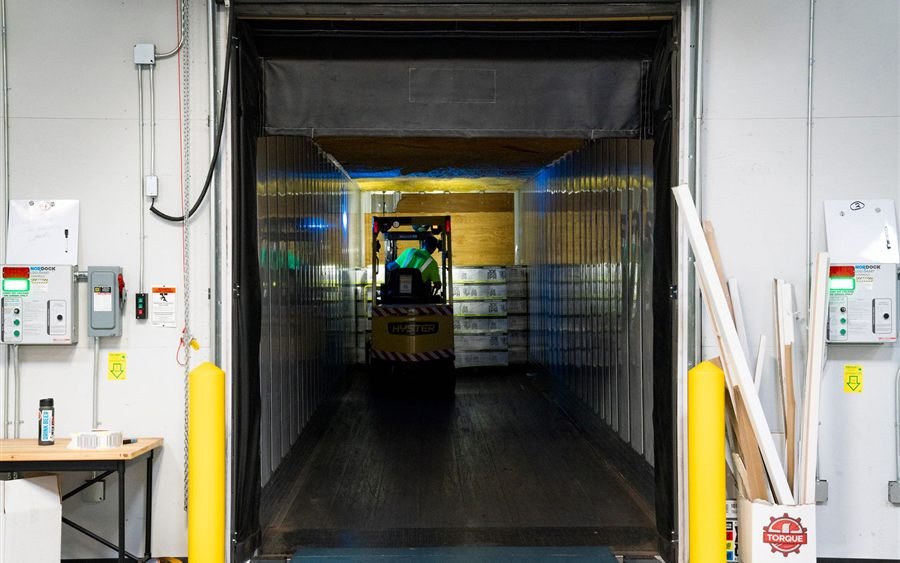
Where officials need to inspect the load, the opening is kept as short as possible.
The exact set depends on the product, its origin and the destination, and is confirmed before the load is planned.
Commercial invoice, packing list, customs declaration, and a certificate of origin where required.
A phytosanitary certificate for fresh produce, flowers and other plant products.
A veterinary or health certificate for fish, seafood, meat and dairy.
Import permits or authorisations where the destination requires them.
Chilled, frozen and temperature-controlled freight movements.
Learn more on the Refrigerated Road Transport page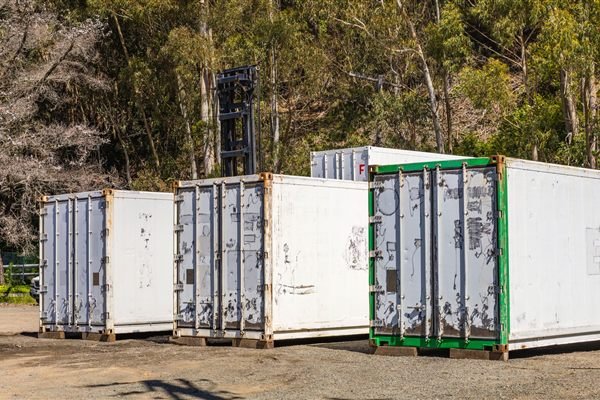
Handling and transporting refrigerated shipping containers.
Learn more on the Reefer Container Logistics page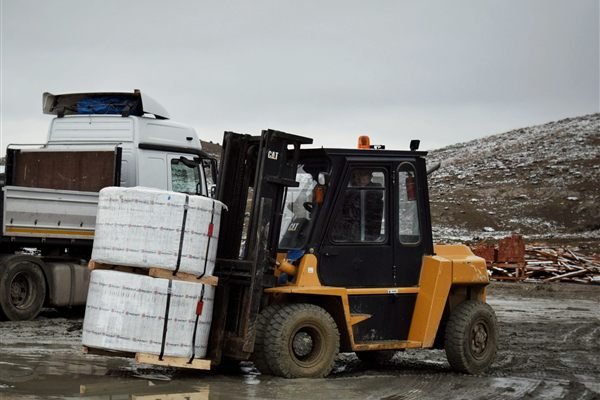
Combining compatible temperature-sensitive shipments for transport.
Learn more on the Cold Chain Consolidation & Groupage pageBetween Zimbabwe and South Africa through Beitbridge, the cold chain route on Wyvern's current plan. Other cross-border movements are assessed case by case.
Usually a commercial invoice, packing list and customs declaration, and depending on the product, a certificate of origin, phytosanitary or veterinary certificate and import permit. The set is confirmed before the load is planned.
The refrigeration unit keeps running. Its fuel and set point are checked before departure for the whole journey, including time at the border.
Yes, inspections can require the doors to be opened. The opening is kept as short as possible and the doors are closed again as soon as the inspection allows.
Yes. Cross-border documents and customs clearance are arranged for each crossing. See Customs Clearance for how clearance works.
The product, carrying temperature, quantity, origin and destination, the importer and exporter details, and any certificates or permits already issued.
Send the product, carrying temperature, origin and destination, and the documents you already have.