Flowers & Plants
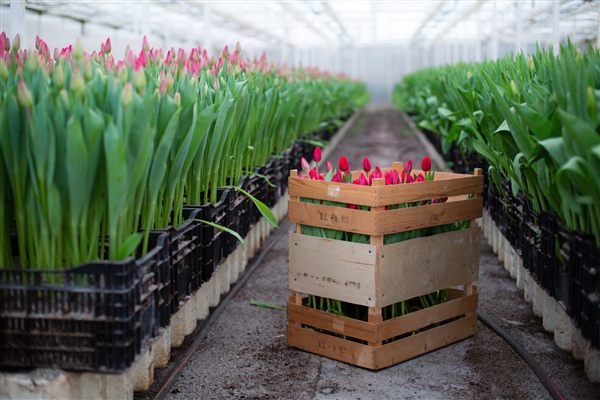
Cut flowers and plants kept cool from grower to market.
Learn more on the Flowers & Plants Logistics page
Cold Chain Cargo
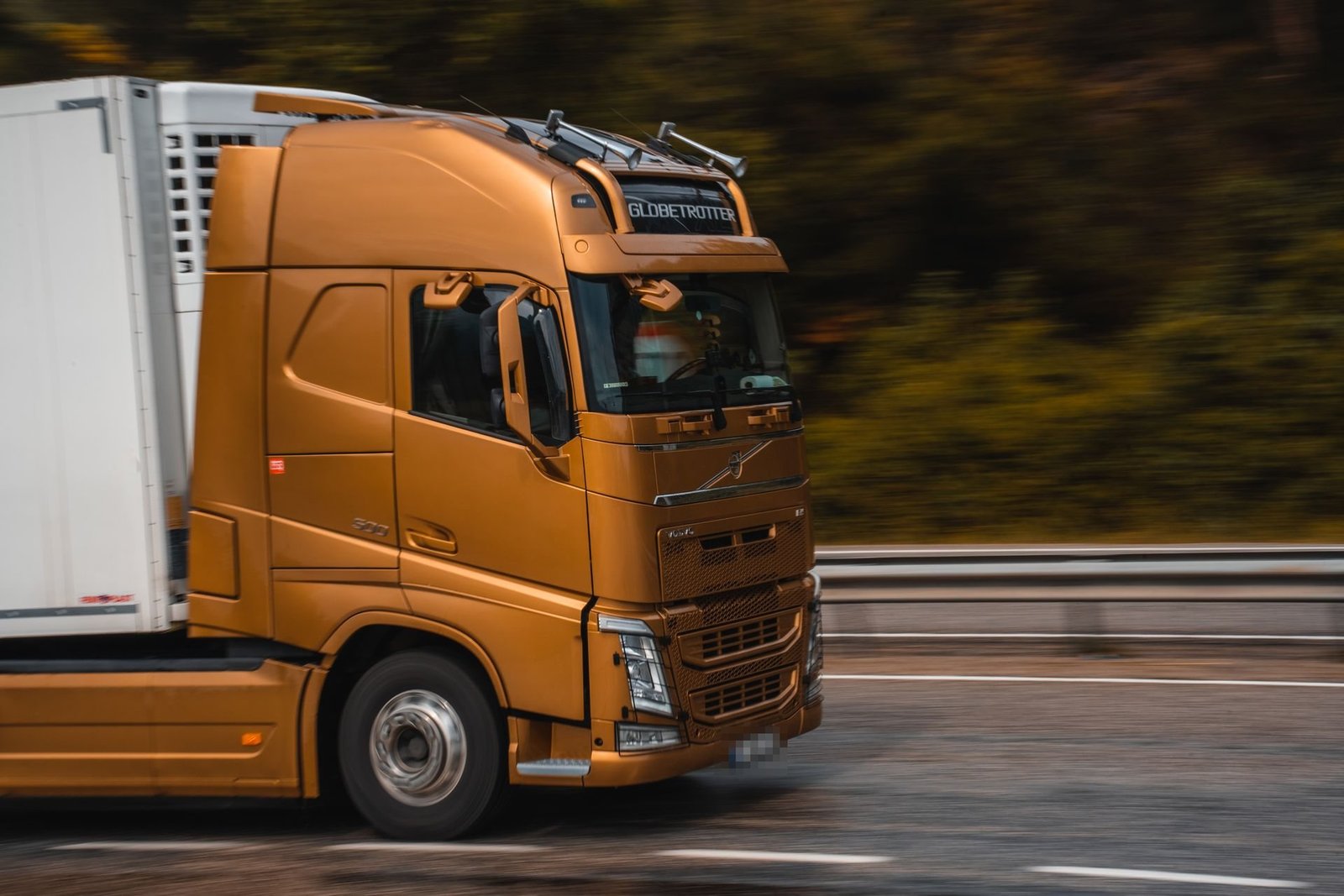
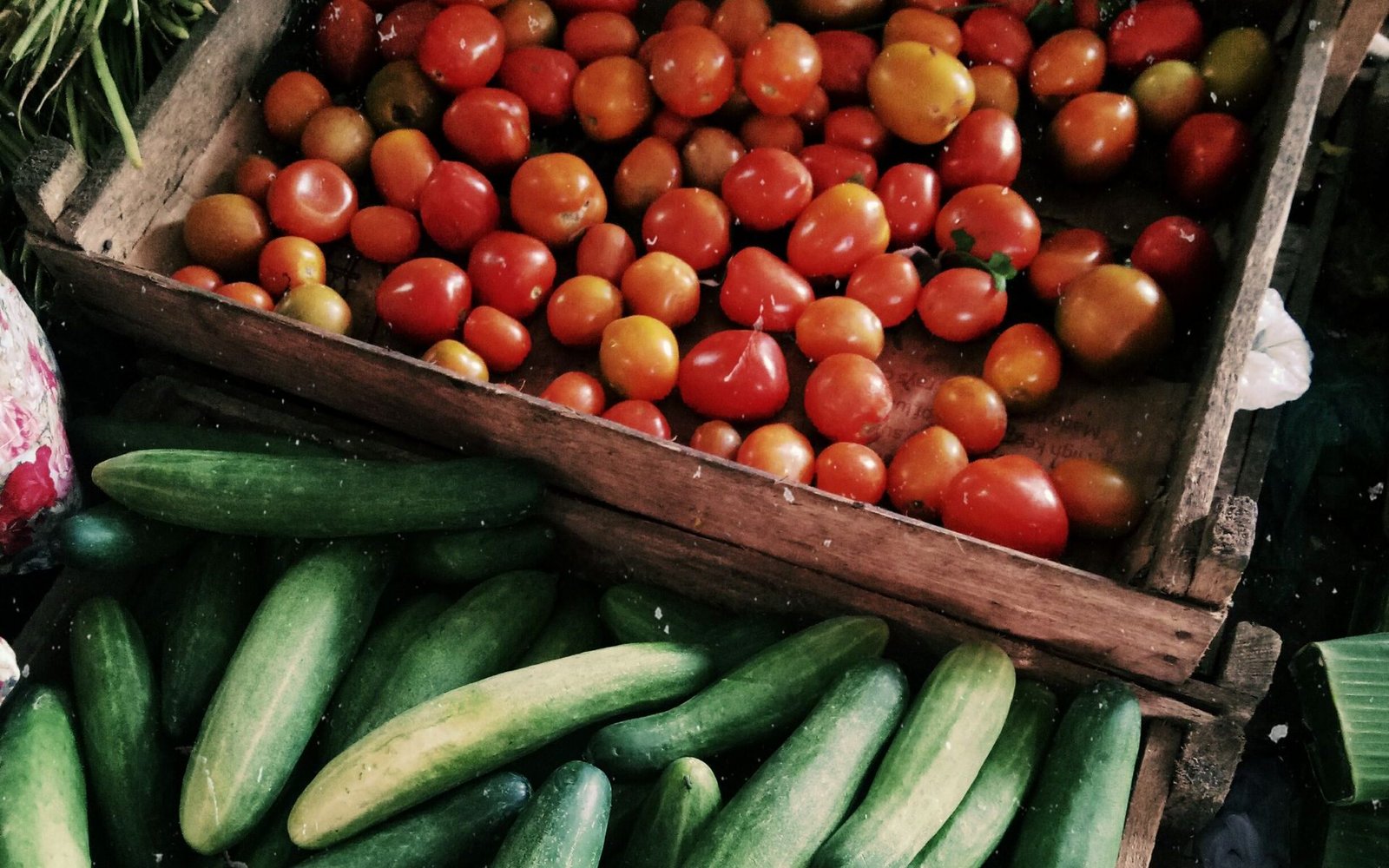
Fruit and vegetables moved by refrigerated road transport from farm and packhouse to market, planned around each crop's needs.
Fruit and vegetables keep breathing after harvest. Warmth speeds that up and shortens shelf life, while too much cold can injure some crops just as surely. There is no single right temperature for "produce".
We plan each produce load around the crop, its carrying temperature, how it was cooled and packed, and what it can and cannot travel with.
Each crop has its own range, and the wrong neighbour or the wrong temperature can cost a whole load.
Many vegetables and temperate fruit travel close to 0°C, while tropical fruit such as bananas, avocados and mangoes can be injured below about 13°C.
Produce should be pre-cooled before loading. A refrigerated trailer holds temperature, it does not remove field heat.
Fruit that gives off ethylene, such as apples, pears and tomatoes, does not travel with produce that ethylene damages, such as leafy greens.
Many crops need high humidity to stop them wilting and losing weight, so packaging and airflow are planned together.
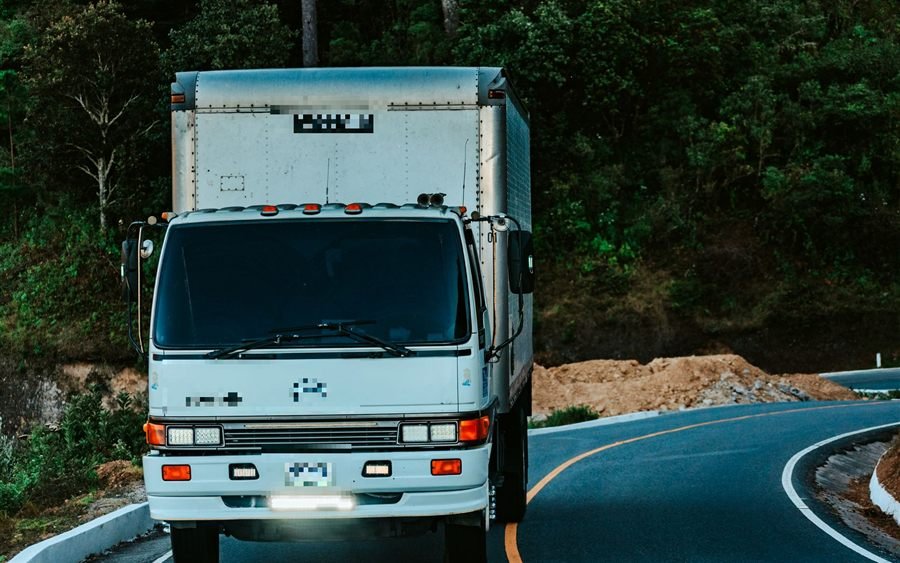
The Cold Chain services that carry produce from packhouse to market.
Full loads at the set point the crop needs.
Smaller consignments combined only when temperatures and ethylene allow.
Field heat removed before the produce is loaded.
Phytosanitary certificates and customs documents prepared before the border.
Cut flowers and plants kept cool from grower to market.
Learn more on the Flowers & Plants Logistics page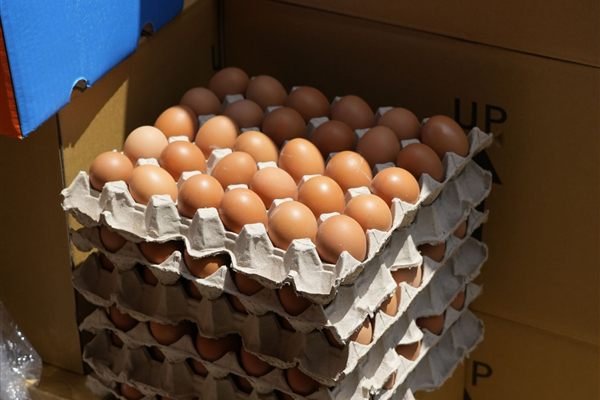
Eggs, dairy ingredients, chocolate and other ingredients that need a steady temperature.
Learn more on the Temperature-Sensitive Food Ingredients Logistics page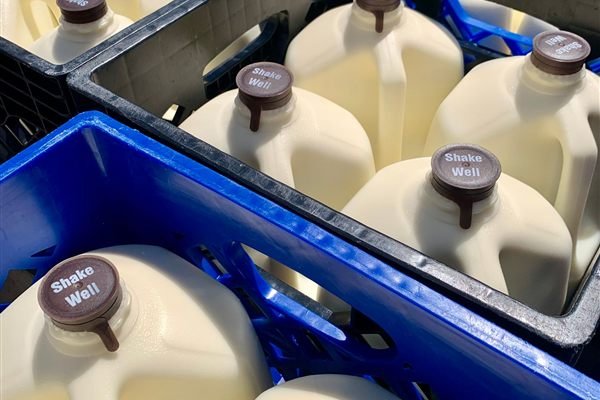
Fresh dairy kept chilled from collection to the receiving point.
Learn more on the Dairy Products Logistics pageIt depends on the crop. Many vegetables and temperate fruit travel close to 0°C, while tropical fruit such as bananas, avocados and mangoes need warmer temperatures. Each load travels at the carrying temperature the shipper specifies.
Damage to chill-sensitive produce, often tropical fruit, held below its safe temperature. It shows as discoloured skin, pitting, poor ripening or decay, sometimes only after the produce is back in warmer conditions.
Only when they share a temperature range and do not harm each other. Fruit that gives off ethylene is kept apart from ethylene-sensitive produce such as leafy greens.
Freshly harvested produce carries field heat. A refrigerated trailer is built to hold temperature, not to remove that heat, so warm produce may not reach its carrying temperature in time.
Plant products usually need a phytosanitary certificate, and some need an import permit, depending on the product and destination. They are confirmed before the load is planned.
The crop, quantity and packaging, the carrying temperature, whether it has been pre-cooled, any other produce on the load, and the collection and delivery points.
Send the crop, quantity, packaging, carrying temperature, how it was cooled, and the collection and delivery points.