Fresh Produce
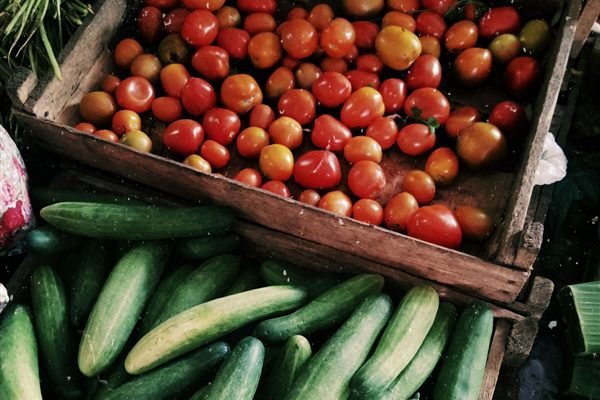
Fruit and vegetables from farms and packhouses to market.
Learn more on the Fresh Produce Logistics page
Cold Chain Cargo
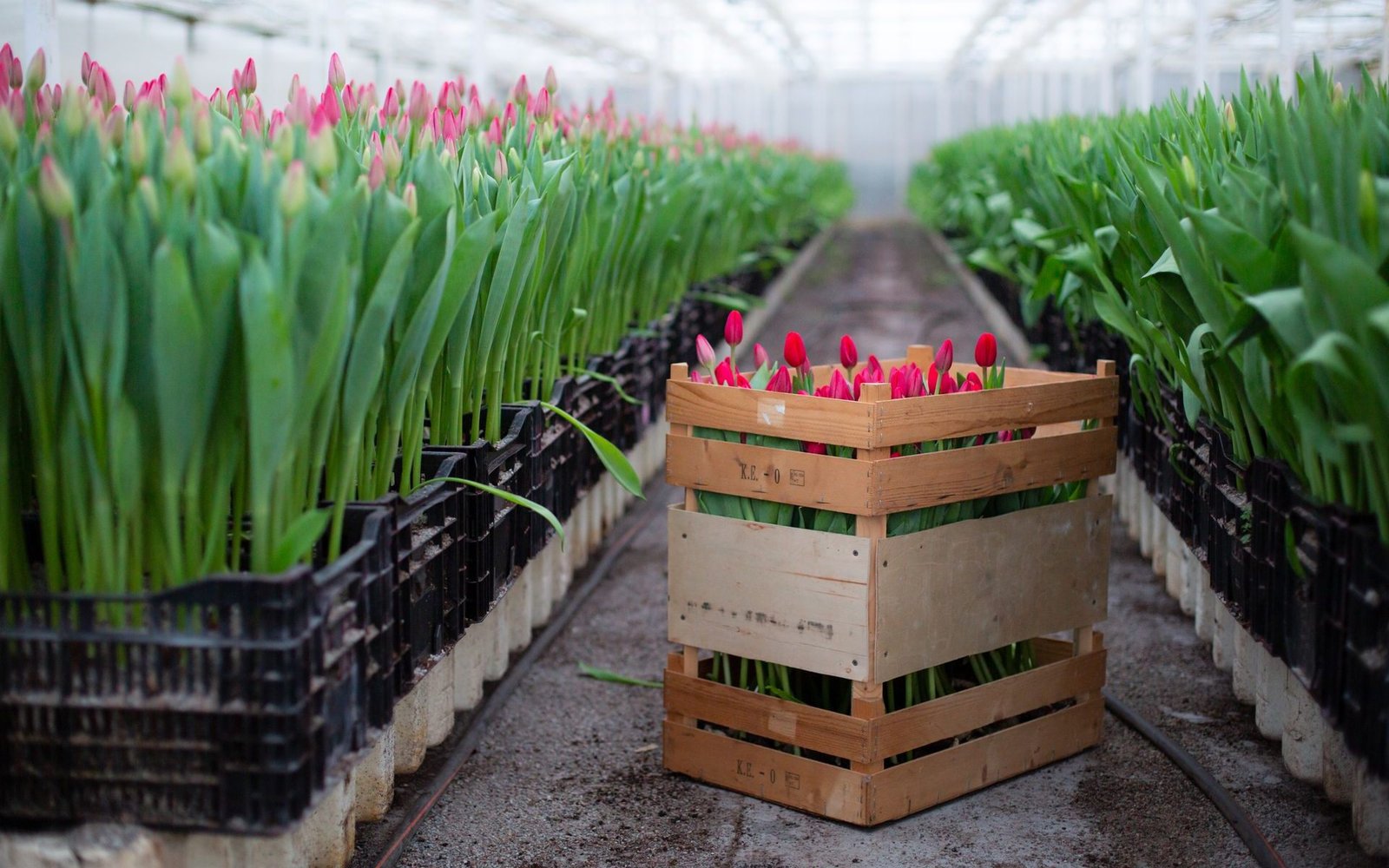
Cut flowers and plants moved by refrigerated road transport from grower and packhouse to market, planned around each variety.
Cut flowers keep using their stored energy after harvest, and warmth makes them use it faster. Most varieties last longest when they are kept cool from the moment they are cut to the moment they are sold.
We plan each flower load around the varieties on board, their carrying temperature, their sensitivity to ethylene and how they are packed.
The right temperature depends on the variety, and a few rules protect the whole load.
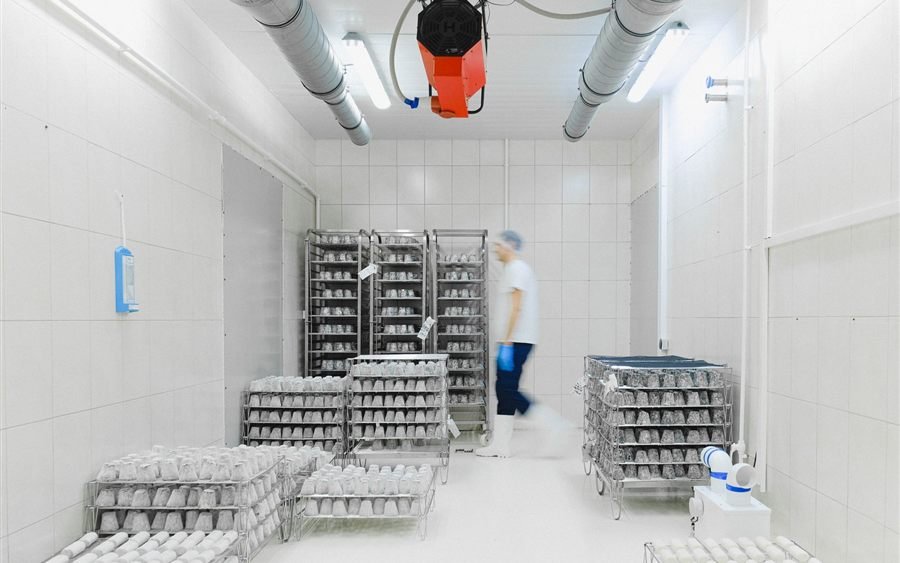
Most cut flowers, including roses, keep best just above freezing, at about 1 to 3°C.
Anthurium, orchids, heliconia and bird-of-paradise can be injured below about 10 to 13°C and travel separately.
Ethylene-sensitive flowers, such as carnations, are kept away from fruit and other sources of ethylene.
Boxes and buckets are loaded so cold air can circulate, without crushing stems or blooms.
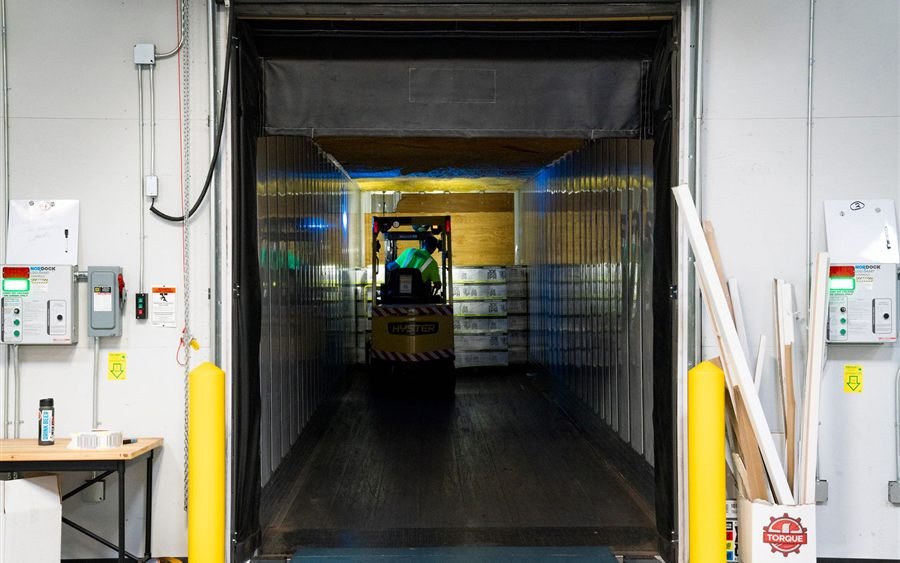
The Cold Chain services that carry flowers from grower to market.
Loads at the set point the varieties need.
Flowers cooled after harvest, before they are loaded.
Phytosanitary certificates and customs documents prepared before the border.
Fruit and vegetables from farms and packhouses to market.
Learn more on the Fresh Produce Logistics page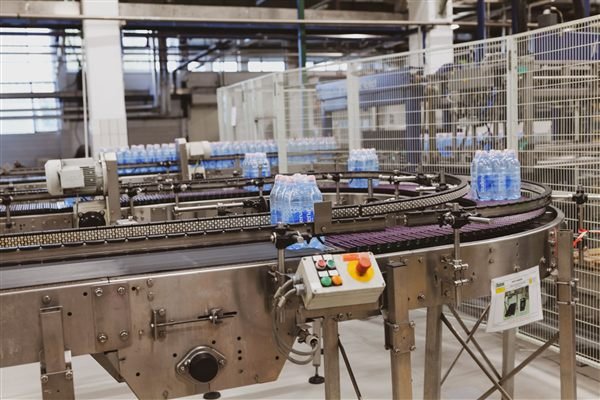
Chilled drinks and products that heat or frost can spoil.
Learn more on the Temperature-Sensitive Beverages Logistics page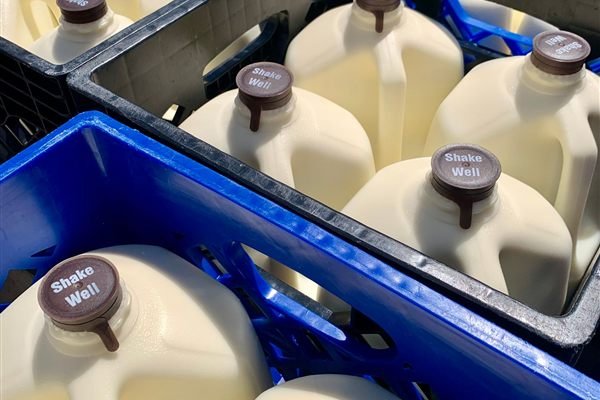
Fresh dairy kept chilled from collection to the receiving point.
Learn more on the Dairy Products Logistics pageMost cut flowers, including roses, keep best just above freezing, at about 1 to 3°C. Tropical flowers need warmer conditions. Each load travels at the temperature the grower specifies.
Tropical flowers such as anthurium, orchids, heliconia and bird-of-paradise can be injured below about 10 to 13°C, so they travel at a warmer temperature, separately from cold-loving varieties.
Ethylene is a gas given off by ripening fruit and some plant material. It can make sensitive flowers, such as carnations, wilt or drop petals early, so they are kept away from it.
Only when the produce does not give off ethylene and both share a temperature range. Ethylene-producing fruit is kept apart from flowers.
Usually a phytosanitary certificate, and sometimes an import permit, depending on the plant and the destination. They are confirmed before the load is planned.
The varieties, quantity, packaging (boxes or buckets), carrying temperature, and the collection and delivery points.
Send the varieties, quantity, packaging, carrying temperature, and the collection and delivery points.