

Soya Bean Production Transport in Zimbabwe: Local, Inbound and Outbound Route Planning
June 15, 2026 | by Wyvernfreight
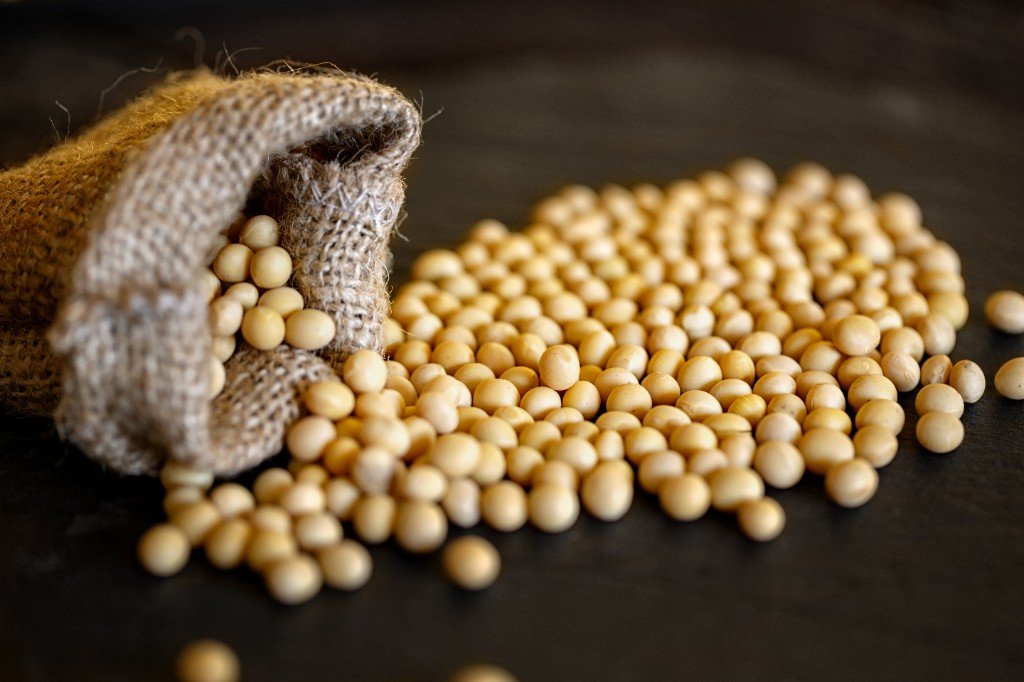
Soya bean production is an important part of Zimbabwe’s agricultural and agro-processing value chain, feeding cooking oil, stockfeed, soya meal, poultry and pig feed, food products and industrial processing.
As demand for local oilseed production grows, reliable transport is essential for moving inputs to farms and harvested soya beans to depots, processors, oil expressers and stockfeed manufacturers. At Wyvern Freight, we focus on protecting quality, reducing losses, preventing contamination, controlling moisture exposure and ensuring deliveries reach the right buyer on time.
Whether the cargo is seed, fertiliser, chemicals, harvested soya beans, bagged soya, bulk grain, soya meal or farming equipment, each movement needs the right route, the right trailer and the right delivery plan.
Why soya bean transport needs proper planning
Soya beans are a valuable oilseed crop. After harvest, poor handling can reduce quality and affect the price paid by buyers. Moisture, dust, spillage, contamination, torn bags, delays and poor trailer cleaning can all create problems.
Good soya bean logistics should focus on
- Clean trailers with no chemical, fertiliser, coal or mineral residue.
- Protection from rain and moisture.
- Correct loading and offloading methods.
- Safe weight distribution.
- Good tarpaulin covers.
- Fast turnaround at farms, depots and processors.
- Route planning during peak harvest periods.
- Proper documentation for buyers, depots and cross-border movements.
- Careful handling of bagged or bulk cargo.
For soya bean producers, reliable transport helps protect both crop quality and cash flow. Movement can be grouped into three categories: local farm-and-processor routes, inbound input routes, and outbound regional routes.
Farm, depot and processor
Bulk and bagged soya moving from farms to depots, silos, oil expressers and stockfeed manufacturers.
Seed and inputs
Seed, fertiliser, inoculants, chemicals, machinery and packaging routed from borders to farms.
Processed and regional cargo
Soya meal, oilcake and approved cargo moving toward Beitbridge, Forbes, Nyamapanda, Chirundu and Plumtree.
Local route
Border post
Depot / processor hub
Main types of soya bean cargo
Soya bean logistics covers the full chain from seed to processed meal, and each stage has its own handling needs.
Soya bean seed
Soya bean seed is moved before planting and must be protected from rain, heat, contamination and packaging damage. Seed should be transported in clean, dry enclosed vehicles.
Fertiliser and crop inputs
Soya bean production depends on inputs such as fertiliser, lime, inoculants, herbicides, pesticides and packaging. These products need careful transport before the planting season and during crop management.
Harvested bulk soya beans
Bulk soya beans are commonly moved from farms to depots, silos, processors, oil expressers and stockfeed manufacturers. This cargo must be kept clean and dry.
Bagged soya beans
Bagged soya beans may move from farms, aggregation points or depots to buyers and processors. The main priorities are bag protection, moisture control and safe stacking.
Soya meal and processed products
After crushing, soya beans may be converted into soya meal, oilcake or other processed products. These cargoes may move to stockfeed manufacturers, poultry producers, pig producers and distributors.
Local soya bean routes within Zimbabwe
Local soya bean logistics connects farms, aggregation points, Grain Marketing Board depots, private buyers, oil expressers, stockfeed manufacturers, warehouses and processors.
Mashonaland West routes
Mashonaland West is one of Zimbabwe’s key soya bean production areas. Common movements include farms and collection points around Chinhoyi, Banket, Karoi, Chegutu, Kadoma and Norton moving toward Harare, oil processors, stockfeed plants, depots and warehouses. Common routes include Chinhoyi to Harare, Banket to Harare, Karoi to Chinhoyi and Harare, Chegutu to Harare, Kadoma to Kwekwe, Gweru or Harare, and Norton to Harare and Ruwa. These routes are important for bulk soya beans, bagged soya beans, fertiliser, seed and crop chemicals.
Mashonaland Central routes
Mashonaland Central also plays an important role in soya bean production. Cargo may move from Bindura, Mazowe, Mvurwi, Guruve, Shamva and surrounding farming districts to Harare, Chinhoyi, local depots and processing facilities. Common routes include Bindura to Harare, Mazowe to Harare, Mvurwi to Bindura and Harare, Guruve to Chinhoyi or Harare, and Shamva to Harare. These routes support both farm input deliveries and harvested crop movement.
Mashonaland East routes
Mashonaland East routes connect farms around Marondera, Murehwa, Goromonzi, Wedza and surrounding areas to Harare, Ruwa, Norton, depots and processing centres. Because many farms are close to Harare, this province is well positioned for quick delivery to urban processors and stockfeed manufacturers.
Midlands routes
The Midlands is important for national distribution because it connects Harare, Bulawayo, Masvingo and Beitbridge routes. Soya bean cargo may move from Gweru, Kwekwe, Mvuma, Gokwe and surrounding areas to processors, depots and feed manufacturers. Common routes include Gweru to Kwekwe, Gweru to Harare, Kwekwe to Kadoma and Harare, Gweru to Bulawayo, and Gokwe to Kwekwe or Gweru.
Manicaland routes
Manicaland soya bean routes may connect Rusape, Mutare, Buhera, Chipinge and surrounding farming areas to Harare, Mutare processors, local depots or Forbes-linked corridors. Cargo may include harvested soya beans, seed, fertiliser, crop chemicals and equipment.
Masvingo and Lowveld routes
Masvingo, Chiredzi, Triangle, Mwenezi and surrounding areas can support soya bean and oilseed production where irrigation or suitable rainfall is available. Cargo may move to Masvingo, Harare, Bulawayo, Gweru or Beitbridge-linked corridors.
Matabeleland routes
Although western Zimbabwe is better known for livestock and drought-tolerant crops, soya bean inputs, stockfeed materials and processed soya products may move through Bulawayo, Plumtree, Gwanda, Hwange and surrounding districts. Bulawayo is important for stockfeed and food distribution into western markets.
Inbound routes for soya bean production
Inbound logistics supports soya bean production by moving seed, fertiliser, inoculants, chemicals, farm machinery, packaging, irrigation equipment and imported soya or soya meal where local supply is short.
South Africa to Zimbabwe via Beitbridge
Beitbridge is one of Zimbabwe’s most important inbound routes for agricultural inputs and agro-processing supplies. Soya bean seed, fertiliser, chemicals, packaging, machinery, stockfeed ingredients and processing equipment can enter Zimbabwe through Beitbridge. From Beitbridge, cargo can move to Masvingo, Harare, Bulawayo, Midlands, Mashonaland and Manicaland.
Mozambique to Zimbabwe via Forbes and the Beira Corridor
The Forbes border near Mutare connects Zimbabwe to Mozambique and the Beira Corridor. This route can support inbound fertiliser, machinery, processing equipment, packaging and port-linked cargo. From Forbes, cargo can move through Mutare, Rusape, Marondera and Harare, then onward to soya-producing areas and processing centres.
Zambia to Zimbabwe via Chirundu
The Chirundu route supports cargo moving between Zambia and Zimbabwe. This route can support seed, fertiliser, soya meal, agricultural machinery, packaging and stockfeed-related cargo. From Chirundu, cargo can move through Karoi, Chinhoyi and Harare.
Botswana to Zimbabwe via Plumtree
The Plumtree route supports agricultural and stockfeed cargo entering western Zimbabwe. From Plumtree, cargo can move to Bulawayo, Gweru, Kwekwe, Harare and other inland destinations.
Outbound routes for soya beans and processed products
Outbound soya bean logistics may involve movement from farms to processors, processors to stockfeed manufacturers, or Zimbabwean cargo moving into regional markets where permitted.
Farms to oil expressers and stockfeed manufacturers
The most important outbound soya bean movement is domestic. Soya beans move from farms and depots to oil expressers, crushers and stockfeed manufacturers. Key destination areas include Harare, Ruwa, Norton, Chitungwiza industrial areas, Bulawayo, Gweru, Kwekwe, Mutare and Masvingo.
Soya bean areas to Harare
Harare is one of the main destinations for soya beans because of its processors, stockfeed manufacturers, warehouses, buyers and distribution networks. Routes from Mashonaland West, Mashonaland Central, Mashonaland East and Midlands into Harare are especially important during and after harvest.
Soya products to Bulawayo and western markets
Soya meal, oilcake, stockfeed ingredients and processed products may move from Harare, Midlands or processing plants to Bulawayo and western Zimbabwe markets.
Soya cargo to Beitbridge
Where regional movement is approved, the Beitbridge corridor can support cargo moving between Zimbabwe and South Africa. This may include processed soya products, stockfeed ingredients, machinery or input cargo.
Soya cargo to Chirundu
The Harare-Chinhoyi-Karoi-Chirundu route can support soya beans, soya meal, stockfeed ingredients, agricultural inputs and processed products moving between Zimbabwe and Zambia.
Soya cargo to Forbes, Nyamapanda or Plumtree
The Forbes and Nyamapanda routes can support cargo moving between Zimbabwe and Mozambique, including inputs, processed products, stockfeed materials and approved agricultural cargo. The Bulawayo-Plumtree route can support agricultural cargo and stockfeed-related products moving into Botswana or western regional markets.
The best trailer for soya bean transportation
The best trailer depends on whether the cargo is loose bulk soya beans, bagged soya beans, seed, fertiliser, soya meal or machinery.
Bulk soya beans: clean covered side tipper or hopper bottom trailer
For loose bulk soya beans, the best option is a clean covered side tipper or hopper bottom grain trailer.
A good bulk soya trailer should have
- Clean interior.
- No chemical, coal, fertiliser or mineral contamination.
- Strong tarpaulin cover.
- Good sealing to prevent spillage.
- Smooth loading and offloading.
- Proper axle-load compliance.
- Easy cleaning before loading.
- Good moisture protection.
A side tipper is practical for farm-to-depot and depot-to-processor movement where quick offloading is needed. A hopper bottom trailer is excellent where the receiving site has grain pits or suitable discharge facilities.
Bagged soya beans: curtainsider, box trailer or flat deck with tarpaulin
For bagged soya beans, a curtainsider or box trailer is usually best because it protects the bags from rain, dust and rough road exposure. A flat deck can also work if the load is properly strapped and covered with tarpaulins. However, the bags must be stacked safely to prevent tearing, shifting and water damage.
Soya bean seed: clean curtainsider or box trailer
Soya bean seed should be moved in a clean, dry enclosed vehicle. A curtainsider or box trailer is ideal because it protects seed bags from moisture, dust and contamination. Seed should not be transported together with fertiliser, chemicals, fuel or dirty cargo.
Fertiliser and crop inputs: curtainsider, box trailer or covered flat deck
Bagged fertiliser, inoculants and crop inputs should be protected from moisture. A curtainsider or box trailer is best for mixed input loads. A covered flat deck can work where cargo is well wrapped, strapped and protected. Agrochemicals must be transported safely and should be separated from food, feed and seed.
Soya meal and oilcake: curtainsider, box trailer or bulk trailer
Soya meal and oilcake may move in bags, bulk bags or loose form. Bagged products are best moved in curtainsiders or box trailers. Loose bulk product may require a bulk trailer or sealed high-sided trailer depending on the buyer’s offloading facility.
Farm machinery and production equipment: flat deck, step deck or lowbed
Soya bean production also requires tractors, planters, sprayers, harvesters, trailers, threshers, shellers and irrigation equipment. Use a flat deck for tractors and implements, a step deck for taller machinery, a lowbed for heavy or oversized equipment, a curtainsider or box trailer for spares and sensitive components, and an extendable trailer for long equipment or irrigation pipes.
Wyvern Freight’s recommendation
For soya bean logistics in Zimbabwe, Wyvern Freight recommends matching the trailer to the cargo:
- Bulk soya beans: clean covered side tipper or hopper bottom trailer.
- Bagged soya beans: curtainsider, box trailer or covered flat deck.
- Soya bean seed: clean enclosed curtainsider or box trailer.
- Fertiliser and inputs: curtainsider, box trailer or covered flat deck.
- Soya meal and oilcake: curtainsider, box trailer or sealed bulk trailer.
- Farm machinery: flat deck, step deck or lowbed.
- Packaging and spare parts: curtainsider or box trailer.
For most harvested bulk soya movements a clean covered side tipper is the practical choice; for bagged or seed cargo, a curtainsider or box trailer is safer because it protects product quality.
Wyvern Freight
Handling and storage considerations
Soya beans must be handled carefully after harvest. The cargo should be dry enough for safe storage and transport, and trucks should not be loaded with wet or contaminated grain.
Before dispatch, confirm
- Grain moisture condition.
- Buyer delivery requirements.
- Loading equipment availability.
- Offloading method.
- Weighbridge arrangements.
- Trailer cleanliness.
- Tarpaulin condition.
- Delivery documents.
- Farm-road access.
- Storage availability at destination.
Good planning helps reduce rejection risk and post-harvest losses.
Why choose Wyvern Freight for soya bean logistics?
Soya bean logistics needs timing, cleanliness and reliability. Farmers need transport when the crop is ready. Processors need steady supply. Stockfeed manufacturers need raw material. Buyers need clean, dry and properly delivered cargo.
- Farm-to-depot soya bean transport.
- Depot-to-processor deliveries.
- Bulk grain movement.
- Bagged soya transport.
- Seed and input distribution.
- Soya meal and oilcake transport.
- Cross-border agricultural cargo planning.
- Trailer selection.
- Local route planning across Zimbabwe.
- Delivery updates and professional communication.
From Mashonaland West to Harare, from Bindura to processing centres, from Kwekwe to Bulawayo, and from local farms to regional corridors, Wyvern Freight helps move soya bean cargo safely and efficiently.
Conclusion
Soya bean production is important for Zimbabwe’s cooking oil, stockfeed and agro-processing sectors. Reliable transport helps farmers reach buyers, processors secure raw material and the country strengthen local oilseed value chains.
Bulk soya beans need clean covered side tippers or hopper bottom trailers. Bagged soya beans and seed need enclosed curtainsiders or box trailers. Inputs need dry and protected transport. Machinery needs flat decks, step decks or lowbeds. For dependable soya bean production logistics in Zimbabwe, partner with Wyvern Freight, moving oilseeds, supporting farmers and connecting agriculture to industry.
RELATED POSTS
View all

Crop Production and Agricultural Transport in Zimbabwe: Local, Inbound and Outbound Route Planning
June 15, 2026 | by Wyvernfreight
Irrigation Solutions in Zimbabwe: Transport, Equipment Delivery and Route Planning
June 15, 2026 | by Wyvernfreight
Livestock Solutions in Zimbabwe: Transport, Feed, Cold Chain and Route Planning
June 15, 2026 | by Wyvernfreight