Industries
Humanitarian and NGO Logistics
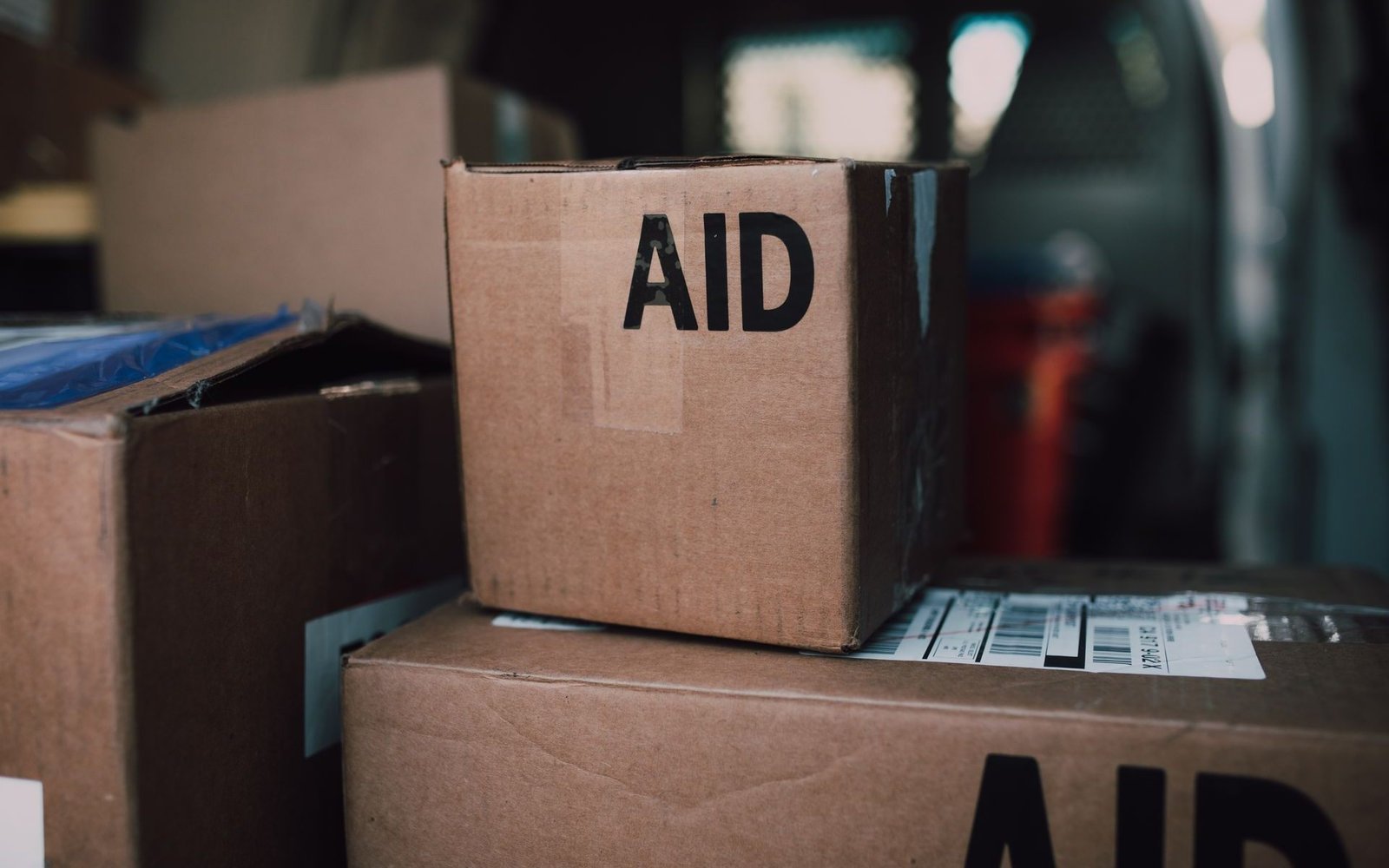
Freight planning for food aid, medical supplies, water, sanitation and hygiene materials, shelter supplies and emergency relief moving from warehouses and ports to communities and field sites.
Aid & relief logistics
Humanitarian freight requirements
Humanitarian logistics has to work beyond the warehouse. It must protect urgent supplies, respect the field context, and reach the distribution point, clinic, school, or community where they are needed.
We support organisations and programmes with practical movement planning across warehouses, borders, district hubs, remote sites, and last-mile delivery locations.
Value chain
Relief cargo and delivery locations
Our planning supports the cargo categories and delivery paths that enable humanitarian programmes and community-focused projects.
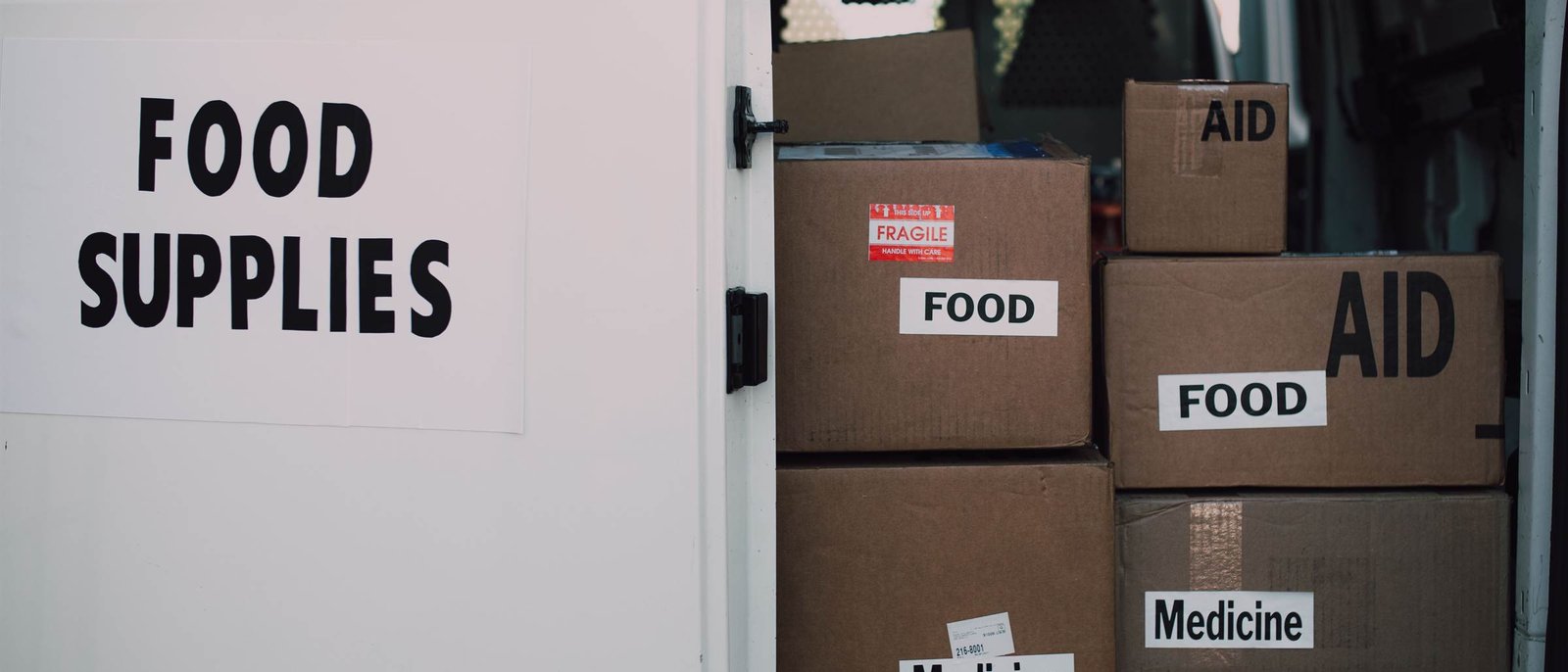
Critical supplies planned around urgency, packaging, quantity, distribution timing and access.
- Food aid
- Nutrition products
- Emergency relief items
- Palletised and bulk relief supplies
- Distribution timing agreed in advance
Health materials handled with the care, protection and coordination they require, with temperature-sensitive cargo in refrigerated trailers.
- Medical supplies
- Hygiene kits
- Vaccines and certain medicines
- Refrigerated trailers for temperature-sensitive health cargo
- Proof of delivery at the receiving point
Water-related and power equipment for communities and projects, on trailers matched to the size and weight of the load.
- WASH supplies
- Water tanks
- Solar kits
- Generators
- Flatdeck loading for tanks and bulky equipment
Practical support for programme materials, shelter items, school supplies and field equipment.
- Tents, blankets and mattresses
- Clothing
- School materials
- Agricultural inputs
- Field equipment
Donor-funded supplies in containers and imported relief cargo moved between ports, borders, warehouses and field sites, with documents planned in advance.
- Donor-funded supplies in shipping containers
- Skeletal trailers for container handling
- Donor documentation
- Customs clearance planned in advance
- Proof-of-delivery controls
Connected movement from regional supply points through to the actual programme or community site.
- NGO depots and district hubs
- Clinics, schools and feeding centres
- Rural communities and water points
- Beira Corridor, Beitbridge and the North-South Corridor
- Nyamapanda to Tete and Malawi, and Plumtree to Botswana
Why Wyvern Freight?
Field delivery planning and regional coverage
We coordinate the practical details that protect cargo, account for access and field conditions, and support a clear handover at the real distribution point.
Cargo priority & condition review
Review the cargo, urgency, packaging, quantities, sensitivity, and handling needs before movement begins.
Route, access & field coordination
Plan route conditions, access, security, field contacts, weather, timing, and the actual distribution point.
Vehicle, security & handling match
Match the transport, cargo protection, security, loading, and field capability to the delivery plan.
Distribution-point or community handover
Complete an accountable delivery to the field team, distribution point, facility, school, or community partner.
Related logistics services
Logistics Solution
Expert route planning and cost reduction. We analyse your supply chain for the most efficient cross-border move.
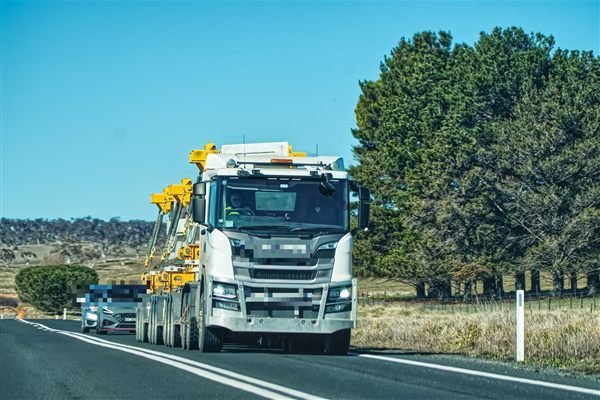
Road Transport
Reliable FTL and LTL road freight across Zimbabwe and South Africa, and on into Zambia and the DRC.

Customs Clearance
Hassle-free border clearing. RIB and import/export documentation prepared to reduce delays at busy posts.
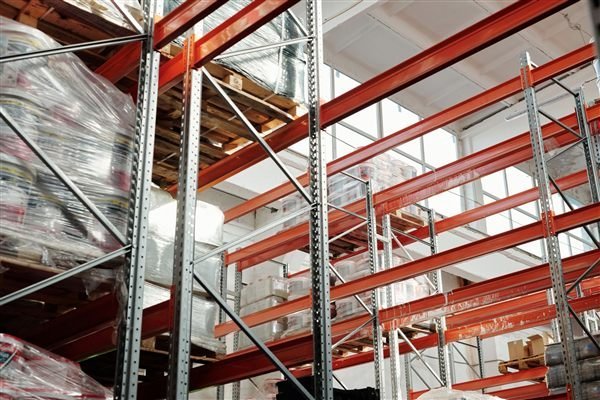
Warehousing
Short- and long-term storage and handling arrangements, subject to cargo requirements and location.
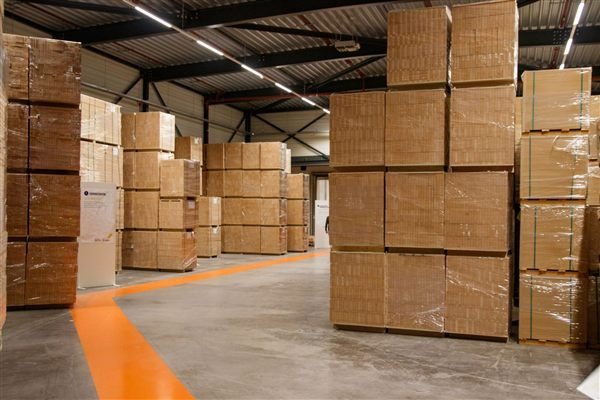
Packaging
Professional crating and palletising. Goods packed to withstand long-haul transport and rough roads.
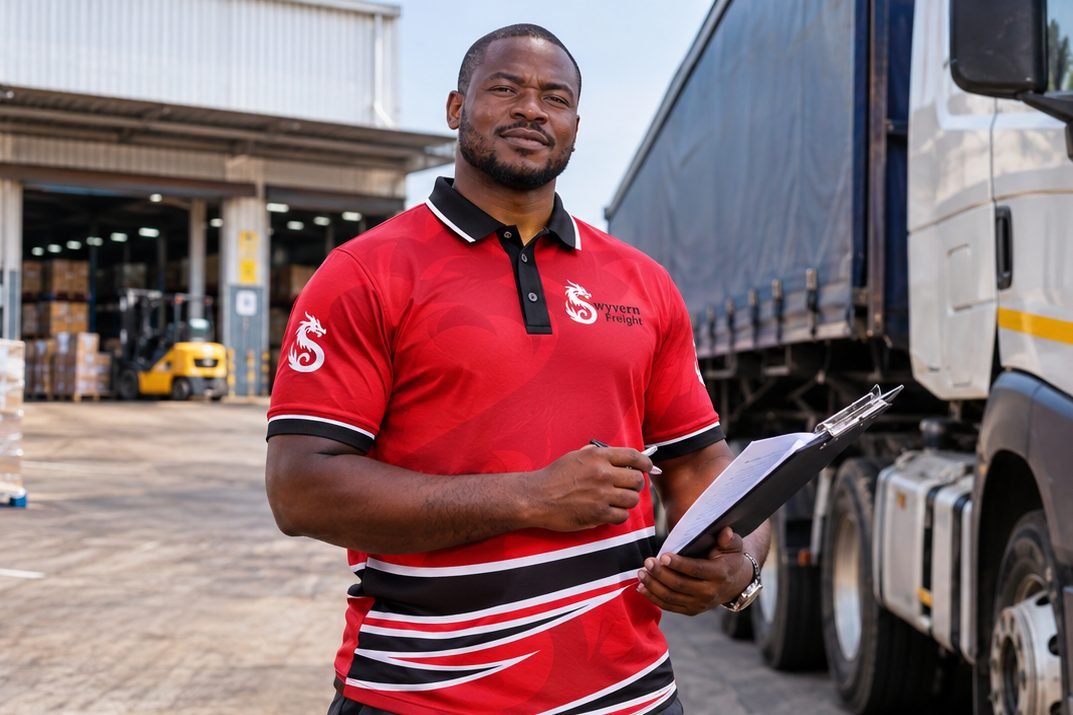
Local Courier
Local courier arrangements for deliveries from depots to retailers and customers in urban centres.
Cargo Insurance
Help with cargo insurance enquiries for goods in transit. Cover depends on the applicable policy.
Frequently asked questions
Humanitarian and NGO cargo may include food aid, hygiene kits, medical supplies, school materials, tents, blankets, mattresses, clothing, WASH supplies, water tanks, solar kits, generators, agricultural inputs, nutrition products, containers, and emergency relief items.
Enclosed trailers are commonly used for protected relief cargo, sliding curtain trailers are used for palletised and high-volume supplies, refrigerated trailers are used for cold-chain health cargo, flatbed trailers are used for bulky project materials, and container or skeletal trailers are used for imported donor-funded cargo.
Sliding curtain trailers are suitable for palletised food aid, cartons, tents, mattresses, hygiene kits, and bulk relief supplies because they allow efficient loading and unloading while protecting cargo.
Refrigerated trailers are suitable for vaccines, certain medicines, diagnostics, and other temperature-sensitive health cargo that require controlled transport conditions.
Flatbed trailers are suitable for bulky project cargo such as water tanks, generators, solar kits, pipes, poles, construction materials, and WASH infrastructure supplies.
Container or skeletal trailers are suitable for imported humanitarian supplies packed into shipping containers and moved between ports, borders, warehouses, and field distribution points.
Yes. Humanitarian cargo may require delivery scheduling, route checks, security planning, donor documentation, customs clearance, community coordination, proof-of-delivery controls, cold-chain monitoring, and last-mile access planning.
Yes. Local routes can support deliveries from warehouses and NGO depots to district hubs, clinics, schools, feeding centres, rural communities, water points, project sites, and emergency distribution points.
Yes. Humanitarian and NGO cargo can move through regional corridors connecting Zimbabwe with South Africa, Mozambique, Zambia, Botswana, Malawi, and other SADC markets, depending on cargo type, documentation, urgency, and destination.
Common humanitarian and NGO routes include the Beira Corridor, South Africa-to-Beitbridge route, North–South Corridor, and Zimbabwe local humanitarian distribution routes. These routes support relief supplies, food aid, medical cargo, WASH supplies, donor-funded goods, and emergency response cargo. Regional links also run via Nyamapanda to Tete and Malawi, and Plumtree to Botswana. A typical lane: Beira Port → Mutare → Harare → District Warehouses / Field Sites. The full corridor list is on our Road Transport page.
Important details include cargo type, volume, weight, packaging, urgency, loading point, delivery point, route, community access conditions, documentation, donor requirements, temperature needs, security considerations, and proof-of-delivery requirements.
Moving humanitarian or NGO cargo?
Send the cargo details and route, and our bookings team will confirm the right configuration and prepare your quote.